
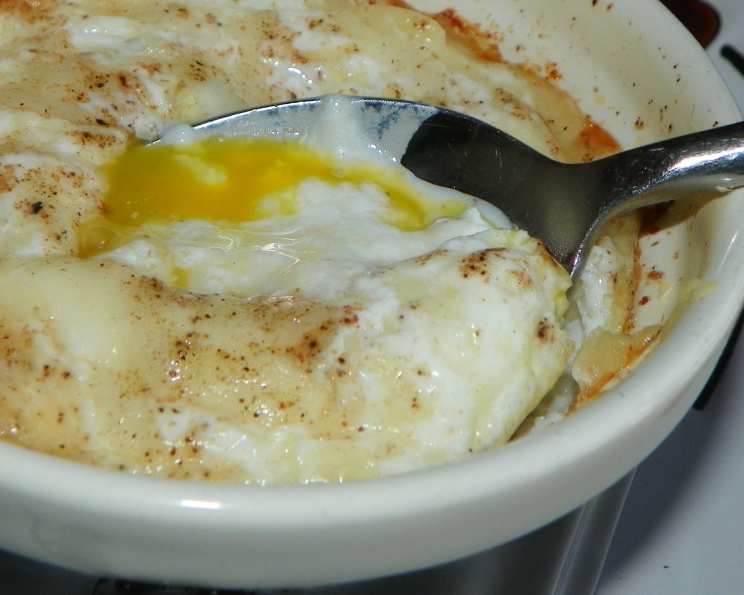
Oeufs En Cocotte à La Suisse: A Whisper of Alpine Elegance
The scent of Gruyère cheese, melted and mingling with the richness of cream and the subtle perfume of nutmeg, always transports me back to a particular crisp autumn morning in the Swiss Alps. I was a young stagiaire, barely out of culinary school, working in a charming, family-run restaurant nestled near the French border. Our head chef, a stern but kind woman named Madame Dubois, believed in simplicity elevated by the finest ingredients. One chilly morning, as the mist still clung to the mountaintops, she guided me through preparing their signature breakfast dish: Oeufs En Cocotte à La Suisse. The delicate dance of cracking eggs into individual ramekins, the luxurious pour of cream, the generous shower of finely grated Gruyère – it was a lesson in understated indulgence that has stayed with me ever since. This dish, a more opulent sibling to its French cousin, is a testament to the profound pleasure found in high-quality, simple ingredients, expertly combined.
Recipe Overview
- Prep Time: 15 minutes
- Cook Time: 6 minutes
- Total Time: 21 minutes
- Servings: 4
- Yield: 4 individual servings
- Dietary Type: Vegetarian, Gluten-Free
Ingredients
Here’s what you’ll need to recreate this alpine delight:
- 8 large eggs
- 240 ml double cream (also known as heavy cream)
- 125 g Gruyère cheese, finely grated
- Ground nutmeg, to taste
- Ground black pepper, to taste
Equipment Needed
- 4 individual ramekins (about 6-ounce capacity)
- A baking dish or roasting tin large enough to hold the ramekins
- A kettle or pot for boiling water
- A grater for the cheese
Instructions
The beauty of Oeufs En Cocotte à La Suisse lies in its simplicity and the quick, satisfying cooking process. Follow these steps for perfect results:
- Preheat your oven to 190° C (375° F). This is a moderate oven, perfect for gently cooking the eggs and cream without overcooking.
- Prepare your water bath: Place the 4 ramekins into a larger baking dish or roasting tin. Once the ramekins are in place, carefully pour hot water into the baking dish. The water should come up halfway up the sides of the ramekins. This water bath, or bain-marie, ensures the eggs cook gently and evenly, preventing the whites from becoming rubbery or the yolks from hardening too quickly.
- Crack the eggs: Carefully crack 2 eggs into each prepared ramekin. Try to keep the yolks intact for a beautiful presentation.
- Add the creamy, cheesy goodness: In a separate small bowl, lightly whisk together the 240 ml of double cream and the 125 g of finely grated Gruyère cheese.
- Distribute the mixture: Divide this cream and cheese mixture evenly among the ramekins, pouring it gently over the eggs.
- Season with aromatic spices: Sprinkle a pinch of ground nutmeg and a good grind of freshly ground black pepper onto the surface of each serving. The nutmeg adds a warm, slightly sweet note that complements the richness of the cheese and cream beautifully.
- Bake to perfection: Carefully place the baking dish with the ramekins into the preheated oven. Bake for approximately 6 minutes. The goal is for the mixture to be just set. This means the egg whites should be opaque and set, but the yolks should still be gloriously runny and warm. The cream and cheese will form a luscious sauce around the eggs.
Expert Tips & Tricks
- Quality of Gruyère: For the most authentic and flavorful experience, use genuine Swiss Gruyère. Its nutty, slightly sweet, and earthy notes are unparalleled. If you can’t find it, a good quality aged Emmental or even a sharp cheddar can be used as a substitute, though the character will shift.
- Gentle Water Bath: Ensure the water in your bain-marie is hot but not boiling when you place it in the oven. This helps maintain a consistent, gentle cooking temperature.
- Watch Closely: The baking time is crucial. Ovens can vary, so it’s essential to keep an eye on the Oeufs En Cocotte after about 5 minutes. You want the whites to be just opaque and the yolks still liquid. Overbaking will result in hard yolks, losing that signature silken texture.
- Presentation Power: Serve these directly in their ramekins. A small, attractive serving spoon is all that’s needed. For an extra touch, you could garnish with a tiny sprig of chives or parsley, but in true Swiss fashion, sometimes less is more.
Serving & Storage Suggestions
Oeufs En Cocotte à La Suisse are best enjoyed immediately after baking. The runny yolk, creamy sauce, and perfectly cooked whites are at their peak. They are a delightful starter, a luxurious brunch item, or a light supper.
Serving:
Serve the ramekins directly from the oven. Accompany with crusty bread, toasted brioche, or a simple green salad dressed with a light vinaigrette to cut through the richness.
Storage:
These are not ideal for long-term storage as the eggs will continue to cook and the texture will change. If you have leftovers, they can be refrigerated in their ramekins, covered tightly with plastic wrap, for no more than 1 day. To reheat, place the ramekins in a preheated oven at 160° C (325° F) for about 5-10 minutes, or until warmed through. Be mindful that the yolk may become firmer upon reheating.
Nutritional Information
(Please note: Nutritional values are estimates and can vary based on specific ingredients and portion sizes.)
| Nutrient | Amount per Serving | % Daily Value |
|---|---|---|
| Calories | 483.4 kcal | |
| Calories from Fat | ||
| Total Fat | 42.3 g | 65% |
| Saturated Fat | 23.1 g | 115% |
| Cholesterol | 490.3 mg | 163% |
| Sodium | 270.4 mg | 11% |
| Total Carbohydrate | 2.5 g | 0% |
| Dietary Fiber | 0 g | 0% |
| Sugars | 0.6 g | 2% |
| Protein | 23.1 g | 46% |
Variations & Substitutions
While the classic Swiss version is perfection in itself, you can explore delightful variations:
- Herbed Gruyère: Stir a tablespoon of finely chopped fresh chives, parsley, or tarragon into the cream and cheese mixture before pouring.
- Mushroom Medley: Sauté finely chopped mushrooms (like cremini or wild mushrooms) with a touch of garlic and thyme until tender. Place a small spoonful of the cooked mushrooms at the bottom of each ramekin before adding the eggs.
- Prosciutto or Ham: For a heartier dish, place a thin slice of good quality prosciutto or finely diced cooked ham at the bottom of each ramekin before adding the eggs.
FAQs
Q: Can I make Oeufs En Cocotte ahead of time?
A: While it’s best served fresh, you can crack the eggs into the ramekins and prepare the cream mixture beforehand. Store them separately in the refrigerator and assemble just before baking. However, the cooking time might need slight adjustment.
Q: What is a water bath (bain-marie) and why is it important?
A: A water bath uses hot water to gently and evenly cook delicate dishes like custards and baked eggs. It prevents them from cooking too quickly on the edges and ensures a creamy, consistent texture throughout.
Q: My egg whites didn’t set properly, what went wrong?
A: This usually means the oven temperature was too low, or the baking time was too short. Ensure your oven is accurately preheated and monitor the eggs closely towards the end of the baking time.
Q: Can I use different cheeses in this recipe?
A: Absolutely! While Gruyère is traditional and highly recommended, other good melting cheeses like Emmental, Comté, or even a mild cheddar can be used. Just ensure they are finely grated for even melting.
Q: Is this dish suitable for a main course?
A: Yes, it can be a wonderful light main course, especially when served with crusty bread and a salad. For a more substantial meal, consider adding some sautéed mushrooms or a side of cured meat.
Final Thoughts
There’s a profound satisfaction in creating something so seemingly simple yet so utterly delicious. Oeufs En Cocotte à La Suisse is more than just a recipe; it’s an experience. It’s a reminder that the finest cuisine often comes from the most humble of ingredients, treated with respect and a touch of culinary artistry. The warmth of the ramekin, the whisper of nutmeg, the glorious ooze of the golden yolk, all enveloped in a luscious Gruyère cream – it’s pure comfort and understated elegance on a plate. I encourage you to gather your ingredients, embrace the gentle rhythm of its preparation, and savor every bite. Serve it with a crisp glass of dry white wine, perhaps a mineral-driven Sauvignon Blanc from the Valais, and let the flavors of Switzerland transport you. I would be delighted to hear about your own culinary journeys with this alpine classic.