
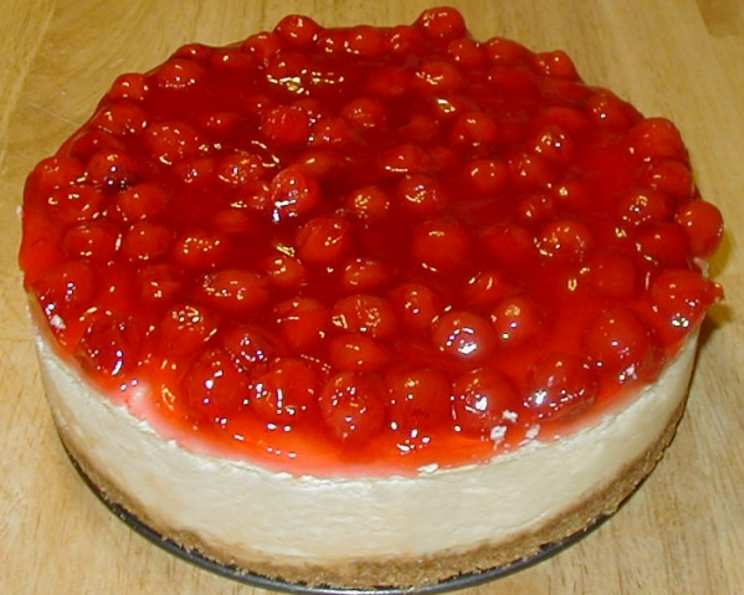
The Quintessential Original New York Cheesecake
There’s a certain magic that happens when you delve into the world of classic New York cheesecake. For me, it’s a sensory journey that always begins with the faint aroma of baked graham crackers and sweet cream cheese filling the kitchen. I remember my grandmother, a formidable baker with an even more formidable apron, meticulously preparing this very cheesecake for every special occasion. The anticipation would build for days, and when that cool, creamy slice finally graced my plate, it was pure bliss. It’s a dessert that embodies comfort, celebration, and a little bit of pure, unadulterated indulgence.
Recipe Overview
- Prep Time: 15 minutes
- Cook Time: 1 hour 5 minutes to 1 hour 10 minutes
- Total Time: Approximately 2 hours 25 minutes (plus 4 hours refrigeration)
- Servings: 12
- Yield: 1 9-inch pie
- Dietary Type: Vegetarian
Ingredients
For the Crust:
- 1 cup graham cracker crumbs
- 3 tablespoons sugar
- 3 tablespoons butter or margarine, melted
For the Filling:
- 5 (8-ounce) packages cream cheese, softened (Philadelphia is my personal preference if you can find it)
- 1 cup sugar
- 3 tablespoons flour
- 1 tablespoon vanilla extract
- 1 cup sour cream
- 4 large eggs
Equipment Needed
- 9-inch springform pan
- Large mixing bowls
- Electric mixer (handheld or stand mixer)
- Rubber spatula
- Measuring cups and spoons
- Oven
- Cooling rack
- Spatula or butter knife
Instructions
This recipe is all about precision and patience, two ingredients that will elevate your cheesecake from good to absolutely unforgettable.
-
Bring everything to room temperature: This is a crucial first step that many home bakers overlook, but it’s key to a smooth, crack-free cheesecake. Ensure your cream cheese, sour cream, and eggs are at room temperature. This helps the ingredients blend seamlessly and prevents the filling from developing lumps.
-
Prepare the Crust: In a medium bowl, combine the graham cracker crumbs, 3 tablespoons of sugar, and the melted butter (or margarine). Mix them together until the crumbs are evenly moistened. This mixture should resemble wet sand.
-
Press the Crust into the Pan: Take your 9-inch springform pan and evenly press the crumb mixture onto the bottom. For a perfectly even and compact crust, a tool like a hamburger press handle or the bottom of a sturdy glass works wonderfully. Ensure the crust is firmly pressed to create a solid base.
-
Pre-bake the Crust: Place the springform pan with the crust into a preheated oven. Bake at 325°F (160°C) for 10 minutes. This helps to set the crust and prevent it from becoming soggy. Once baked, remove it from the oven and let it cool slightly while you prepare the filling.
-
Start the Filling: In a large mixing bowl, combine the softened cream cheese, 1 cup of sugar, flour, and vanilla extract. Using your electric mixer on medium speed, beat these ingredients together until they are thoroughly blended and smooth. Be sure to scrape down the sides of the bowl occasionally to ensure everything is incorporated.
-
Incorporate the Sour Cream: Add the sour cream to the cream cheese mixture. Blend again on medium speed until well combined. The mixture should be smooth and creamy at this point.
-
Add the Eggs Carefully: Now, it’s time for the eggs. Add them one at a time, mixing on low speed after each addition, just until each egg is blended into the batter. Do not overmix! Overmixing at this stage can incorporate too much air, which can lead to cracks in your cheesecake.
-
Pour the Filling: Gently pour the cream cheese filling over the pre-baked graham cracker crust in the springform pan.
-
Remove Air Bubbles: To ensure a perfectly smooth texture, gently run a knife or offset spatula through the filling to eliminate any trapped air bubbles. This might seem like a small step, but it makes a noticeable difference.
-
Bake the Cheesecake: Now, it’s time for the main event. Bake the cheesecake at 325°F (160°C). The baking time is crucial and depends slightly on your oven and the pan you’re using. For a silver, standard springform pan, bake for 1 hour and 5 minutes to 1 hour and 10 minutes, or until the center is almost set but still has a slight wobble. If you are using a dark, nonstick springform pan, you may need to reduce the oven temperature to 300°F (150°C) to prevent over-browning the crust. The edges should be set, but the very center should jiggle slightly when the pan is gently shaken.
-
Temper the Cheesecake: This is another critical step for preventing cracks. Once the baking time is complete, crack the oven door open slightly (you can use a wooden spoon to prop it open). Allow the cheesecake to temper in the cooling oven for about 30 minutes. This gradual cooling process helps the cheesecake to set evenly.
-
Cool Completely: After tempering, carefully remove the cheesecake from the oven and place it on a wire cooling rack. Once the cheesecake is completely cool to the touch (this usually takes another hour or so), run a knife around the rim of the pan to loosen the cheesecake from the sides. This prevents the cheesecake from sticking and potentially cracking as it cools further.
-
Chill Thoroughly: This is perhaps the most important step for achieving that signature New York cheesecake texture. Refrigerate the cheesecake for at least 4 hours, or ideally, overnight. The long chill allows the flavors to meld and the texture to become perfectly firm and creamy.
-
Serve: Once fully chilled, carefully remove the rim of the springform pan. Your magnificent Original New York Cheesecake is ready to be served!
Expert Tips & Tricks
- The “Room Temperature” Rule: I can’t stress enough how important it is for your dairy ingredients and eggs to be at room temperature. This ensures a smooth, homogenous batter that bakes evenly. If you forget to take them out in advance, you can quickly warm cream cheese by cutting it into smaller cubes and letting it sit on the counter for 30 minutes, or by very gently heating it in the microwave in 10-second bursts, stirring in between. For eggs, place them in a bowl of warm water for about 10 minutes.
- Don’t Overmix the Eggs: Once the eggs are added, treat them gently. Overbeating incorporates air, which expands during baking and then collapses as it cools, leading to those dreaded cracks. Mix just until they’re incorporated.
- The Water Bath (Optional but Recommended): For an even more foolproof, incredibly creamy cheesecake with absolutely no cracks, consider using a water bath. Wrap the bottom of your springform pan tightly in heavy-duty aluminum foil (several layers to prevent leaks). Place the foiled pan inside a larger baking pan. Pour hot water into the larger pan until it comes about halfway up the sides of the springform pan. This gentle, even heat distribution is a secret weapon for perfect cheesecake. Just be extra cautious when removing the pan from the oven and ensure no water splashes onto the cheesecake.
- Testing for Doneness: When you gently shake the pan, the edges should be set, but the center should still have a slight jiggle. It will continue to set up as it cools. If the center looks completely liquid, it needs more time.
Serving & Storage Suggestions
Your New York Cheesecake is a star on its own, but it also pairs beautifully with a variety of toppings.
- Serving: Serve chilled, directly from the refrigerator. A simple dollop of fresh whipped cream or a scattering of fresh berries are classic accompaniments. For a truly New York experience, a drizzle of raspberry sauce or a spoonful of cherry pie filling is divine.
- Storage: Leftover cheesecake can be stored, loosely covered, in the refrigerator for up to 5 days. The flavors often meld and improve with a day or two in the fridge.
- Freezing: Cheesecake freezes beautifully. Once completely cooled and chilled, you can freeze the entire cheesecake or individual slices. Wrap tightly in plastic wrap, then in aluminum foil, or place in an airtight container. It can be stored in the freezer for up to 2-3 months. Thaw overnight in the refrigerator before serving.
Nutritional Information
| Nutrient | Amount per Serving | % Daily Value |
|---|---|---|
| Calories | 537.3 kcal | |
| Calories from Fat | ||
| Total Fat | 42.2 g | 64% |
| Saturated Fat | 25.7 g | 128% |
| Cholesterol | 190.5 mg | 63% |
| Sodium | 376.1 mg | 15% |
| Total Carbohydrate | 30.3 g | 10% |
| Dietary Fiber | 0.2 g | 1% |
| Sugars | 22.5 g | |
| Protein | 10.6 g | 21% |
Note: Nutritional values are approximate and can vary based on specific ingredients and brands used.
Variations & Substitutions
This classic recipe is a fantastic base for all sorts of delicious interpretations:
- Crust Variations: Swap graham crackers for crushed Oreos, gingersnap cookies, or even finely ground pretzels for a salty-sweet contrast. For a gluten-free option, use gluten-free graham cracker crumbs or a nut-based crust.
- Flavor Infusions: Add citrus zest (lemon, lime, or orange) to the filling for a bright note. A tablespoon of espresso powder can add a sophisticated depth. For a chocolate lover’s dream, fold in melted unsweetened chocolate into the batter.
- Marble Effect: As suggested, gently drop spoonfuls of seedless strawberry jam over the batter and swirl with a knife for a beautiful marble effect before baking.
- Toppings Galore: The variations are truly endless! Try a rich caramel sauce with chopped pecans, a vibrant mixed berry compote, or crushed peanut butter cups drizzled with chocolate syrup. You can even cut the cheesecake into cubes and drizzle with melted chocolate for elegant bite-sized treats.
FAQs (Frequently Asked Questions)
Q: Why does my cheesecake always crack?
A: Cracking is often caused by overmixing the batter, baking at too high a temperature, or cooling the cheesecake too rapidly. Following the tempering and gradual cooling steps is key.
Q: Can I make this cheesecake ahead of time?
A: Absolutely! In fact, it’s highly recommended. Cheesecakes taste even better after a day or two in the refrigerator, allowing the flavors to fully develop.
Q: What’s the best way to tell if my cheesecake is done?
A: The edges should be set, and the center should have a slight jiggle, like Jell-O. It will firm up completely as it chills.
Q: Is it okay to use a regular cake pan instead of a springform pan?
A: While a springform pan is ideal for easy removal, you can technically bake it in a regular cake pan. However, you’ll need to carefully invert it onto a serving plate once cooled and chilled, which can be trickier and increase the risk of breakage.
Q: How do I avoid a lumpy filling?
A: Ensure your cream cheese is fully softened to room temperature before you begin. This is the most important factor in achieving a smooth, lump-free batter.
Final Thoughts
There’s a profound satisfaction in mastering a truly great cheesecake. This Original New York Cheesecake is more than just a dessert; it’s an experience, a testament to simple, quality ingredients brought together with care. Whether you’re celebrating a milestone or simply craving a moment of pure indulgence, I encourage you to embark on this culinary adventure. Enjoy the process, savor the aroma, and most importantly, relish every creamy, decadent bite. When you share this with loved ones, you’re not just sharing a recipe; you’re sharing a piece of culinary history.