
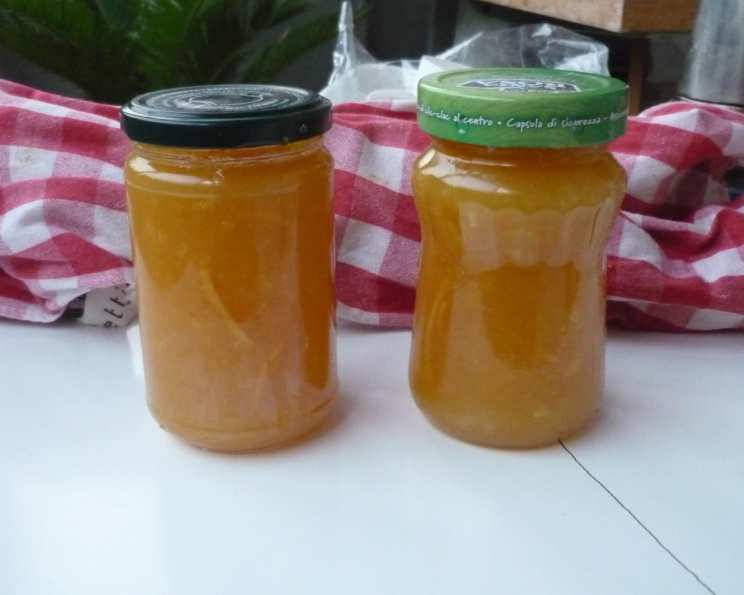
The Luminous Glow of Seville Orange Jelly Marmalade
There’s a crisp, invigorating chill in the air that always whispers of Seville oranges to me. It’s a scent that transports me back to my grandmother’s kitchen, a place perpetually warm, filled with the hum of bubbling preserves and the sweet-tart perfume of citrus. We’d spend hours, my small hands often sticky with juice, helping her peel, slice, and stir. This Seville Orange Jelly Marmalade isn’t just a recipe; it’s a tangible link to those cherished moments, a jar brimming with sunshine and the very essence of a winter’s day transformed. The vibrant ruby-orange hue, the translucent shimmer, and that unmistakable bright, bold flavor – it’s a symphony of the senses that I’ve been recreating, with love and a touch of nostalgia, for years.
Recipe Overview
- Prep Time: Approximately 30 minutes (plus overnight soaking for the fruit)
- Cook Time: Approximately 2 hours
- Total Time: Approximately 2 hours 30 minutes (plus soaking and cooling)
- Servings: N/A (Yields jars of marmalade)
- Yield: Approximately 2 x 750g jars of marmalade
- Dietary Type: Vegan
Ingredients
The magic of Seville orange marmalade lies in its simplicity, relying on the inherent brilliance of its star ingredient.
- 1 kg Seville oranges
- 1 lemon, juice of
- 10 cups cold water
- 8 cups sugar, warmed (approximately)
Equipment Needed
- Large, heavy-bottomed saucepan (preservation pan is ideal)
- Sharp knife
- Cutting board
- Muslin cloth or cheesecloth
- Jelly bag or fine-mesh sieve lined with muslin
- Long-handled spoon for stirring
- Sterilized jars with lids (at least two 750g capacity)
- Waxed discs (optional, for sealing)
Instructions
Crafting this marmalade is a labor of love, a process that rewards patience with an unparalleled depth of flavor and a captivating texture.
- Prepare the Oranges: Begin by washing the Seville oranges thoroughly. Halve them and carefully squeeze out all the juice into a large, heavy-bottomed saucepan. Reserve the pips.
- Prepare the Rind and Pith: From the halved oranges, remove the pith from the rind. You’ll need to aim for approximately 60g (2oz) of rind from every 500g (1lb) of fruit. This might seem precise, but it’s crucial for achieving the right balance of bitterness and texture. Shred this prepared rind very finely.
- Create the Pips and Rind Bundle: Place the finely shredded rind onto a square of muslin or cheesecloth. Gather the reserved pips and add them to the muslin with the rind. Tie the muslin loosely to form a bag; this will act as a sachet to infuse pectin from the pips and a controlled amount of pith into the marmalade, contributing to its setting power.
- Begin the Simmer: Add the prepared muslin bag containing the pips and rind to the saucepan with the orange juice. In a separate bowl, cut up the remaining pith and rind from the oranges and add this to the saucepan as well. Pour in the lemon juice and 10 cups of cold water.
- First Simmer and Infusion: Bring the mixture in the saucepan to a boil, then reduce the heat to a gentle simmer. Let this simmer for approximately 2 hours. After 1 and a half hours of simmering, remove the muslin bag. This prevents the rind from becoming too soft and losing its desired texture. Keep the muslin bag with the pips and rind on the side for later. Continue to simmer the remaining mixture for the final 30 minutes.
- Strain and Test for Pectin: Once the initial simmering is complete, carefully strain the liquid from the saucepan through a jelly bag or a fine-mesh sieve lined with muslin. Discard the solids. You are now left with the infused orange liquid, rich with flavor and pectin. To test for pectin content, take a small amount of the strained juice and let it cool slightly. It should form a firm clot when chilled or after a few minutes. This indicates it has sufficient pectin to set.
- Incorporate Sugar and Rind: Pour the strained juice back into a clean pan. Warm the sugar first by placing it in a low oven (around 100°C/210°F) for about 15-20 minutes. This helps it dissolve more readily and prevents the marmalade from cooling too rapidly when added. Add the warmed sugar to the pan with the orange juice. Also, retrieve the strips of rind (but not the pips) from the muslin bag you set aside earlier and add these to the pan.
- Boil to Setting Point: Heat the mixture gently, stirring continuously until all the sugar has completely dissolved. Do not be tempted to rush this step; undissolved sugar can lead to a grainy texture. Once the sugar is dissolved, bring the mixture to a rolling boil. Continue to boil rapidly until the setting point is reached. This is typically indicated by a thick, syrupy consistency that gels when a small amount is dropped onto a cold plate and allowed to cool for a minute.
- Skim and Rest: As soon as the setting point is achieved, remove the pan from the heat. Carefully skin off any scum that may have formed on the surface using a spoon. This ensures a clear, beautiful marmalade. Leave the marmalade to stand for a few minutes. This allows the fruit to distribute evenly before jarring.
- Jar and Seal: Stir the marmalade again and then carefully pour it into hot, sterilized jars. Fill them as close to the brim as possible. Place a waxed disc on top of the hot marmalade in each jar, ensuring it covers the surface. Cover the jars when cold with their lids. This creates a good seal.
Expert Tips & Tricks
- The Pips are Paramount: Don’t discard those pips! They are treasure troves of pectin. Tying them securely in muslin allows their setting power to infuse the marmalade without clouding the final product or adding unwanted bitterness from prolonged contact.
- The Sugar Warm-Up: Warming the sugar is a subtle but significant step. It encourages a quicker dissolve, which in turn prevents the initial stage of boiling from being too slow and potentially affecting the pectin’s ability to set.
- The Cold Plate Test: Mastering the setting point is key. A truly reliable method is the cold plate test: spoon a little marmalade onto a chilled saucer. After a minute, push it with your finger; if it wrinkles, it’s ready.
- Sterilizing Jars: For long-term storage, proper jar sterilization is non-negotiable. You can sterilize jars by washing them in hot, soapy water, rinsing, and then placing them in a preheated oven at 140°C (120°C fan/Gas Mark 1) for at least 15 minutes. Keep them warm until you’re ready to fill them.
- Dealing with a Soft Set: If your marmalade doesn’t set firmly, don’t despair. You can often rectify this by re-boiling it. Gently reheat the marmalade until it boils again, and boil rapidly for a few more minutes, testing the setting point again on a cold plate. This process can sometimes take a few tries.
Serving & Storage Suggestions
Seville Orange Jelly Marmalade is a versatile champion. Its vibrant flavor profile makes it a sublime accompaniment to:
- Breakfast: Spread generously on warm, buttered toast, crusty bread, or a freshly baked scone. It’s also a magnificent partner to hot buttered crumpets.
- Baking: Incorporate it into cakes, tarts, or glazes for a delightful citrusy zing. It’s particularly wonderful in a Victoria sponge or as a filling for madeleines.
- Savory Dishes: Don’t shy away from its savory applications! A dollop can elevate roasted duck or pork, adding a wonderful sweet-and-sour counterpoint.
Storage: Properly sealed jars of this marmalade will last for at least 12 months in a cool, dark pantry. Once opened, store in the refrigerator and consume within 4-6 weeks. Ensure you always use a clean spoon when dipping into the jar to prevent contamination.
Nutritional Information
| Nutrient | Amount per Serving (approx.) | % Daily Value (approx.) |
|---|---|---|
| Calories | 3346.9 kcal | N/A |
| Total Fat | 1.5 g | 2% |
| Saturated Fat | 0.2 g | 0% |
| Cholesterol | 0 mg | 0% |
| Sodium | 23.9 mg | 0% |
| Total Carbohydrate | 861.3 g | 287% |
| Dietary Fiber | 12.6 g | 50% |
| Sugars | 799.8 g | 3199% |
| Protein | 5.3 g | 10% |
| Calories from Fat | Calories from Fat | N/A |
| (Data Sources may vary. This is an approximate estimation.) |
Variations & Substitutions
While the classic Seville orange marmalade is unparalleled, there are subtle ways to introduce variations:
- Bitter vs. Sweet: If you find Seville oranges too bitter for your palate, you can try a blend of Seville oranges and sweet oranges (like Valencia or Navel), using perhaps two-thirds Seville to one-third sweet oranges. Adjust the sugar accordingly, as sweet oranges are less acidic and may require slightly less sugar.
- Adding Spice: For a warming twist, consider adding a cinnamon stick or a few star anise to the pan during the initial simmering stage. Remove them before adding the sugar.
- Grapefruit Twist: A small addition of pink grapefruit can introduce another layer of citrus complexity, adding a slightly different type of bitterness and aroma.
FAQs
Q: Why are Seville oranges essential for this marmalade?
A: Seville oranges are prized for their thick rind, abundant pith, and high pectin content, which are crucial for achieving the characteristic texture and setting ability of traditional marmalade.
Q: Can I use regular oranges if Seville oranges are not available?
A: While you can make marmalade with regular oranges, it will have a softer set and a less complex flavor profile due to their lower pectin and pith content. You might need to add commercial pectin.
Q: How do I ensure my marmalade sets properly?
A: The key is to reach the correct setting point, often identified by the cold plate test. Boiling rapidly for the right amount of time is crucial for concentrating the sugars and pectin.
Q: My marmalade looks cloudy. How can I achieve a clearer finish?
A: Cloudiness can sometimes result from too much pith or pips remaining in the liquid, or from over-agitating the mixture as it cools. Straining thoroughly and careful skimming of scum helps achieve clarity.
Q: Can I make this marmalade with less sugar?
A: Reducing sugar significantly will impact the setting point and preservation qualities of the marmalade. For a reliable set, it’s best to stick to the recommended sugar ratio.
Final Thoughts
The aroma that fills your kitchen as this marmalade simmers is simply intoxicating, a harbinger of the delightful flavor to come. This Seville Orange Jelly Marmalade is more than just a preserve; it’s a jar of concentrated sunshine, a testament to the simple beauty of seasonal ingredients transformed through patience and care. I encourage you to embark on this rewarding culinary journey. The satisfaction of spreading your own vibrant, homemade marmalade on a slice of toast is immense. Share it with loved ones, savor it at breakfast, or use it to elevate your favorite recipes. And when you do, take a moment to appreciate the bright, zesty spirit captured within each ruby-hued spoonful.