
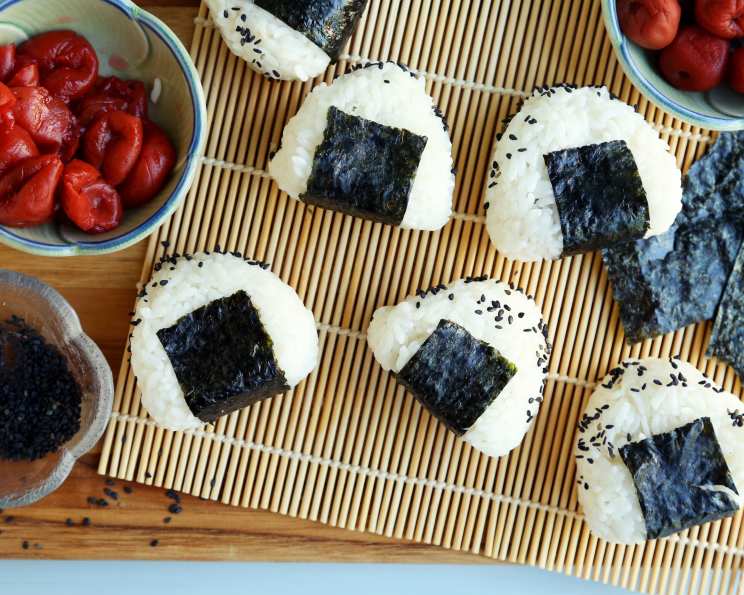
Onigiri: A Taste of Comfort in Every Handheld Bite
There’s something deeply comforting about food that you can hold in your hands, food that feels familiar and nourishing. For me, onigiri holds that special place. I remember being a child, watching my grandmother meticulously prepare these humble rice balls. The gentle patting and shaping of the warm rice, the careful placement of a briny umeboshi plum, the neat wrap of nori – it was a silent, loving ritual. Each onigiri was a small parcel of sustenance, meant to be enjoyed on the go, during a school lunch break, or as a simple, satisfying snack. The slightly salty rice, the sharp tang of the plum, and the subtle oceanic flavor of the seaweed created a symphony of tastes that still transports me back to those cherished moments.
Recipe Overview
- Prep Time: 15 minutes
- Cook Time: 30 minutes
- Total Time: 45 minutes
- Servings: 8
- Yield: 8 rice balls
- Dietary Type: Vegetarian (can be vegan if umeboshi is checked for non-vegan ingredients)
Ingredients
- 1 pound short-grain rice
- 8 umeboshi (dried plum)
- 8 nori (dried seaweed)
- Salt (for hands)
Equipment Needed
- Rice cooker or pot for cooking rice
- Bowl for water
- Serving platter
Instructions
- Begin by cooking the rice. For the best onigiri texture, it’s crucial to use short-grain rice. Follow the package instructions for your rice cooker or stovetop method, ensuring the rice is cooked thoroughly and has a slightly sticky consistency.
- Once the rice is cooked, keep it warm. However, it’s important to let it cool enough so that it won’t burn your hands when you begin to shape it. A temperature that is warm to the touch but comfortable to handle is ideal.
- While the rice is cooling slightly, cut each nori sheet into 9 strips. These strips will be used to wrap the onigiri, providing both flavor and a way to handle them cleanly.
- Prepare your hands for shaping. Wet your hands with water and sprinkle them generously with salt. This simple step is key to preventing the sticky rice from clinging to your palms and fingers, allowing for smooth molding.
- Take a generous handful of the warm rice – enough to form a substantial ball. Begin to mold the rice into a triangular shape using your hands. Gently press and pat the rice to form the base, then carefully shape the sides to create a distinct triangle. As you form the shape, create a small indentation in the middle of the rice.
- Carefully press a piece of umeboshi into the indentation you left in the rice. Ensure it’s nestled securely within the rice.
- Now, it’s time to wrap the rice and umeboshi. Take one of the prepared nori strips and wrap it around the base of the rice ball, securing the umeboshi inside. The moisture from the rice will help the nori adhere.
- Your onigiri is now ready. You can serve them immediately for the freshest experience, or save them for later. They are delicious at room temperature, but also make a delightful snack straight from your lunchbox.
Expert Tips & Tricks
Onigiri, while simple in concept, benefits from a few chef-level nuances. The quality of your rice is paramount; a good short-grain Japanese rice will yield the perfect sticky texture needed for shaping. Don’t overcook or undercook your rice, as this will significantly impact its moldability. When wetting your hands, a light but even coating of salt is sufficient; too much salt and your onigiri will be overly seasoned. For the umeboshi, ensure it’s pitless or remove the pit before placing it in the rice to avoid any biting into an unexpected hard pit. If you find shaping tricky, a small onigiri mold can be a helpful tool, especially for beginners, though the traditional hand-molded shape often has a more rustic charm.
Serving & Storage Suggestions
Onigiri are incredibly versatile. They are perfect for a portable lunch, a picnic, or a light snack any time of day. Serve them as is, perhaps alongside a simple green salad or a bowl of miso soup for a more complete meal. If you’re preparing them ahead of time, wrap each onigiri tightly in plastic wrap once cooled to prevent them from drying out. They will keep well at room temperature for a few hours, making them ideal for packed lunches. For longer storage, refrigerate them for up to 2 days. Reheating isn’t typically necessary as they are often enjoyed at room temperature, but if you prefer them warm, a quick zap in the microwave (about 15-20 seconds) will do the trick, though be mindful that the nori may become slightly less crisp.
Nutritional Information
| Nutrient | Amount per Serving | % Daily Value |
|---|---|---|
| Calories | 203.2 kcal | |
| Calories from Fat | 2 g (1%) | |
| Total Fat | 0.3 g | 0% |
| Saturated Fat | 0.1 g | 0% |
| Cholesterol | 0 mg | 0% |
| Sodium | 0.6 mg | 0% |
| Total Carbohydrate | 44.9 g | 14% |
| Dietary Fiber | 1.6 g | 6% |
| Sugars | 0 g | 0% |
| Protein | 3.7 g | 7% |
Nutritional values are estimates and may vary based on specific ingredients and preparation methods.
Variations & Substitutions
While the classic umeboshi filling is a timeless favorite, the world of onigiri is vast. Consider other traditional fillings like salmon flakes (sake), tuna mixed with mayonnaise, or kombu (simmered kelp). For a vegetarian twist, pickled daikon (takuan) or a seasoned shiitake mushroom filling works wonderfully. You can also experiment with adding finely chopped herbs or sesame seeds directly into the rice before shaping for an extra layer of flavor and visual appeal. For those seeking a gluten-free option, ensure your soy sauce (if used in fillings) is gluten-free, as rice itself is naturally gluten-free.
FAQs
Q: What is the best type of rice to use for onigiri?
A: Short-grain Japanese rice is ideal because of its inherent stickiness, which makes it easy to shape and hold together.
Q: Why do I need to wet my hands and add salt when making onigiri?
A: Wetting your hands prevents the rice from sticking to your skin, and the salt acts as a natural preservative and seasoning, adding a subtle flavor to the rice.
Q: Can I prepare onigiri ahead of time?
A: Yes, onigiri can be made ahead and stored, but it’s best to eat them within a day or two, and wrap them tightly to prevent drying.
Q: What does umeboshi taste like?
A: Umeboshi is a pickled plum that has a distinctively sour and salty, with a hint of sweet, flavor profile. It’s an acquired taste for some but provides a wonderful counterpoint to the mild rice.
Q: Can I make onigiri without any filling?
A: Absolutely! Plain salted onigiri are delicious on their own, allowing the pure flavor of the seasoned rice to shine through.
Final Thoughts
Onigiri are more than just a dish; they are a testament to the beauty of simplicity and the art of mindful preparation. Each perfectly formed ball is a small act of self-care or a gesture of love for others. Whether you’re crafting them for yourself or sharing them with loved ones, I encourage you to embrace the tactile joy of shaping the rice and savor the harmonious blend of flavors and textures. They are a delightful companion to a bento box, a satisfying snack during a busy day, or a comforting bite at any time. Happy shaping, and enjoy every delicious morsel!