
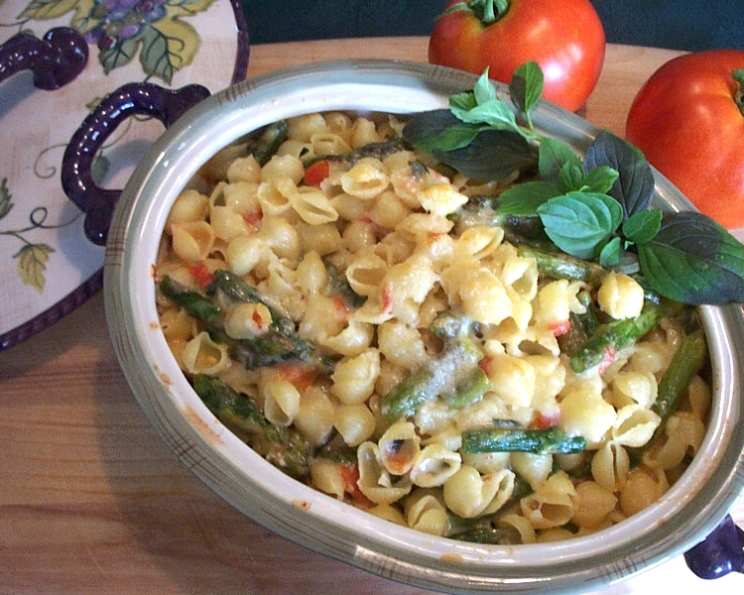
Orecchiette Pasta With Wisconsin Cheese: A Taste of Comfort
There are some dishes that just feel like a warm hug, and this Orecchiette Pasta with Wisconsin Cheese is unequivocally one of them. I remember the first time I truly experienced it, not just as a recipe to prepare, but as a culinary moment. It was during a rather chilly late autumn afternoon, the kind that whispers of cozy evenings and hearty meals. I’d been browsing through a collection of regional American recipes, and this one, highlighting the stellar dairy of Wisconsin, caught my eye. The promise of tender little ear-shaped pasta bathed in a rich, savory sauce, studded with fresh vegetables and crowned with melty, glorious cheese, was irresistible. As I recreated it in my own kitchen, the aroma that filled my home was intoxicating – a symphony of sautéed shallots, ripe tomatoes, fragrant basil, and the unmistakable promise of golden, bubbling cheese. Each bite was a revelation, a perfect harmony of textures and flavors that transported me straight to the heart of dairy country, making a humble weeknight meal feel like an occasion.
Recipe Overview
- Prep Time: 25 minutes
- Cook Time: 35 minutes
- Total Time: 1 hour
- Servings: 4
- Yield: Approximately 6 cups
- Dietary Type: Vegetarian
Ingredients
To craft this delightful dish, gather the following:
- 1/2 to 1 pound asparagus, with tough ends snapped off
- 2 shallots or 1 bunch green onions, diced
- 1 garlic clove, diced (or more, to your liking)
- 2 tablespoons extra virgin olive oil
- 2 large ripe yellow tomatoes, peeled and chopped, or 2 large plum tomatoes
- 1/2 cup Italian white wine (see note in instructions)
- 1/2 cup chicken broth (homemade or canned)
- 1/2 cup fresh basil, cut into a chiffonade
- 8 1/2 ounces orecchiette pasta, cooked to al dente (little ears; small shells or plain gnocchi also work wonderfully)
- 1/2 cup mozzarella cheese, shredded
- 1/2 cup provolone cheese, shredded
- 3 tablespoons grated Parmesan cheese
Equipment Needed
You’ll want to have these tools handy:
- Large saucepan or deep skillet
- Shallow dish or pan
- Colander
- Baking dish (lightly oiled)
- Oven
Instructions
Let’s bring this delicious pasta to life, step by step:
- Preheat your oven to 375°F (190°C). This is the perfect temperature to allow the cheeses to melt beautifully and the dish to heat through.
- Prepare the Asparagus: Bring a good amount of water to a rolling boil in your saucepan. Place the asparagus spears in a shallow dish or pan. Carefully pour the boiling water over the asparagus, ensuring they are fully submerged. Cover the dish and let the asparagus sit for 3 to 5 minutes. This brief blanching will tenderize them perfectly without overcooking.
- Drain and Cool Asparagus: Once blanched, drain the asparagus thoroughly in a colander. Allow them to cool slightly so you can handle them easily.
- Cut the Asparagus: Once cooled, cut the asparagus into 3 to 4 inch pieces. These bite-sized pieces will integrate seamlessly into the pasta dish.
- Sauté Aromatics: In your large saucepan or deep skillet, heat the extra virgin olive oil over medium heat. Add the diced shallots (or green onions) and garlic. Sauté until the shallots are translucent and fragrant, about 3-5 minutes. Be careful not to burn the garlic.
- Add Tomatoes: Introduce the chopped tomatoes to the skillet. Sauté them until they begin to soften and release their delicious juices, which will form the base of your sauce.
- Deglaze and Reduce: Pour in the Italian white wine and chicken broth. Increase the heat to high and bring the liquid to a boil. Boil vigorously until the liquid is reduced by about one-quarter of its original volume. This concentrates the flavors beautifully.
- Incorporate Asparagus: Add the prepared asparagus pieces to the simmering sauce. Boil for approximately 2 minutes, just long enough for the asparagus to become tender-crisp and absorb some of the sauce’s flavor.
- Add Fresh Herbs: Stir in the fresh basil, cut into a chiffonade. This will impart a vibrant, aromatic freshness to the dish just before the pasta is added.
- Combine with Pasta: Add the cooked orecchiette pasta to the skillet. Stir gently to coat all the pasta with the savory sauce and vegetables.
- Melt the Cheeses: Sprinkle in the shredded mozzarella cheese, shredded provolone cheese, and grated Parmesan cheese. Toss everything together until the cheeses are melted and beautifully coating the pasta and vegetables, creating a luscious, creamy texture.
- Bake the Dish: Transfer the cheesy pasta mixture into a lightly oiled baking dish. Bake in the preheated oven for 20 minutes, or until the top is golden brown and bubbly. This final bake allows the flavors to meld and the cheese to achieve that irresistible, browned perfection.
- Wine Substitution Note: If you prefer not to use wine, you can absolutely substitute it with an equal amount of additional chicken broth. The flavor will still be delicious and the sauce will reduce nicely.
Expert Tips & Tricks
- Pasta Perfection: The key to orecchiette is cooking it to al dente. It should have a slight bite to it, as it will continue to cook slightly in the sauce and during the final bake. Overcooked pasta will become mushy.
- Cheese Blends: Feel free to experiment with your favorite Italian-style cheeses. Fontina, Gruyere, or even a sharp cheddar could add interesting nuances to the flavor profile. Wisconsin is known for its incredible cheese, so don’t be afraid to get creative!
- Tomato Peeling Hack: To easily peel tomatoes, score an “X” on the bottom of each tomato with a sharp knife. Plunge them into boiling water for about 30-60 seconds, then immediately transfer them to an ice bath. The skins should slip off with ease.
- Make-Ahead Magic: You can prepare the sauce and cook the pasta a day in advance. Store them separately in the refrigerator. When ready to serve, combine the sauce and pasta in the baking dish, top with cheese, and bake as directed, perhaps adding a few extra minutes to ensure it’s heated through.
Serving & Storage Suggestions
This Orecchiette Pasta With Wisconsin Cheese is best served immediately, hot from the oven, allowing you to enjoy the full glory of the melted cheese and vibrant flavors. A simple side salad with a light vinaigrette is a perfect accompaniment to cut through the richness.
Leftovers can be stored in an airtight container in the refrigerator for up to 3 days. To reheat, you can gently warm it in the oven at around 300°F (150°C) until heated through, or microwave individual portions. You might want to add a splash of water or broth to the pasta before reheating to help maintain its moisture.
Nutritional Information
Here’s an estimated nutritional breakdown per serving:
| Nutrient | Amount per Serving | % Daily Value |
|---|---|---|
| Calories | 468 kcal | 23% |
| Total Fat | 17 g | 22% |
| Saturated Fat | 6.5 g | 33% |
| Cholesterol | 26 mg | 9% |
| Sodium | 424 mg | 18% |
| Total Carbohydrate | 55 g | 20% |
| Dietary Fiber | 4 g | 14% |
| Total Sugars | 3 g | 6% |
| Protein | 20 g | 40% |
(Note: Nutritional values are estimates and can vary based on specific ingredients and brands used.)
Variations & Substitutions
- For a Lighter Touch: While cheese is a star here, you can use a lighter hand with the shredded cheeses or opt for a blend that includes a lower-fat mozzarella.
- Add Protein: Grilled chicken, sautéed shrimp, or even crumbled Italian sausage would be wonderful additions to make this a heartier meal.
- Seasonal Vegetables: Broccoli florets, chopped zucchini, or bell peppers could be sautéed along with the shallots and garlic for a more robust vegetable medley.
- Gluten-Free Option: Use your favorite gluten-free orecchiette or other gluten-free pasta shape. Ensure the pasta is cooked according to package directions to al dente.
FAQs
Q: What is the best way to ensure my orecchiette is cooked to the perfect al dente texture?
A: Cook the pasta in generously salted boiling water for the minimum time recommended on the package. Taste a piece a minute or two before the stated cooking time. It should be tender but still have a slight chew.
Q: Can I use dried herbs instead of fresh basil?
A: Yes, you can substitute dried basil, but use about one-third of the amount of fresh basil called for (approximately 1.5 tablespoons of dried basil). Add it earlier in the cooking process, perhaps with the tomatoes, to allow its flavor to bloom.
Q: My sauce seems a little too thick. What can I do?
A: If your sauce is too thick after reducing, you can loosen it by adding a splash more chicken broth or a bit of the reserved pasta cooking water before adding the cheese.
Q: Is it possible to make this dish ahead of time and reheat it?
A: Yes, you can prepare the sauce and cook the pasta separately. Combine them in the baking dish, top with cheese, and bake when ready. You might need to add a few extra minutes to the baking time to ensure it’s heated through.
Q: What kind of white wine is best for this recipe?
A: A dry Italian white wine like Pinot Grigio, Sauvignon Blanc, or a light Chardonnay works well. The goal is to add a subtle acidity and depth of flavor, not to make the dish taste strongly of wine.
Final Thoughts
This Orecchiette Pasta with Wisconsin Cheese is more than just a recipe; it’s an invitation to savor the simple pleasures of good food and comforting flavors. It’s a testament to how humble ingredients, when treated with care and combined thoughtfully, can create something truly special. I encourage you to try it, to share it with loved ones, and to experience the pure joy of a dish that warms the soul. Consider pairing it with a crisp, dry white wine or a light, hoppy beer to complement the cheesy, savory notes. And as you enjoy each forkful, remember the dedication to quality that comes from the heartland of American dairy – a true taste of comfort.