
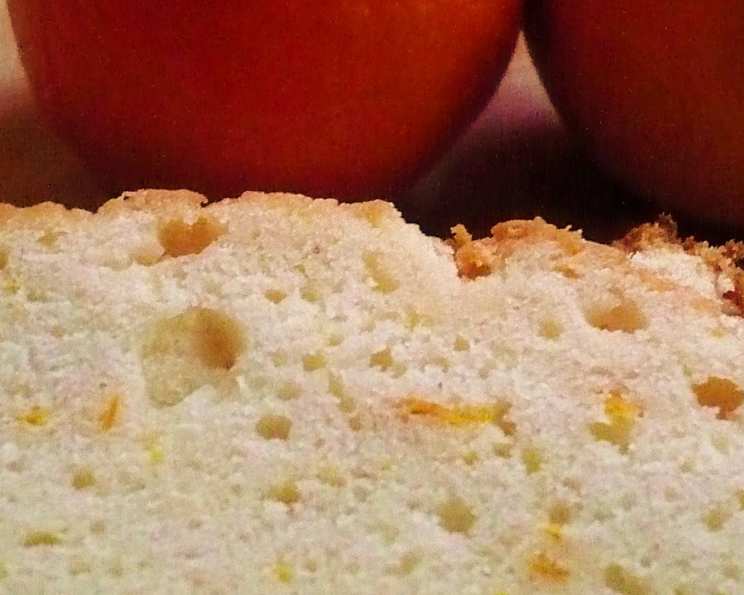
The Zest of Sunshine: Mastering the Orange Sour Cream Pound Cake
There’s something undeniably comforting about a perfectly baked pound cake. It’s a classic for a reason, a foundation upon which so many delicious memories are built. For me, the aroma of citrus mingled with warm butter and sugar instantly transports me back to my grandmother’s kitchen. She had this magical way of infusing everyday bakes with an extra spark of joy, and her orange sour cream pound cake was a prime example. I remember one particularly grey afternoon, feeling a bit down, when she pulled a golden, fragrant loaf from her oven. The first slice, still warm, was a revelation – tender, moist, with a bright, citrusy tang that cut through the richness. It was more than just cake; it was a burst of sunshine on a plate, a reminder that even the simplest ingredients, handled with care, can create something extraordinary.
This Orange Sour Cream Pound Cake is a recipe that lives up to that cherished memory, offering a delightful balance of tender crumb and vibrant flavor. While the initial thought of bringing ingredients to room temperature might seem like an extra step, trust me, it’s the secret to achieving that incredibly moist and tender texture that makes this cake so special. It’s a cake that feels sophisticated enough for a special occasion but is wonderfully at home with a cup of coffee on a quiet morning.
Recipe Overview
- Prep Time: 20 minutes
- Cook Time: 60-70 minutes
- Total Time: 1 hour 30 minutes (plus cooling time)
- Servings: 12
- Yield: 1 loaf cake
- Dietary Type: Contains Dairy, Eggs, Gluten
Ingredients
This cake relies on a few key players to achieve its signature richness and tang. The beauty of this recipe lies in its simplicity, so fresh, high-quality ingredients will truly shine.
- ½ cup unsalted butter, softened to room temperature
- 1 cup granulated sugar
- 2 large eggs, at room temperature
- ½ teaspoon vanilla extract
- ½ teaspoon almond extract
- ½ cup light sour cream, at room temperature
- 1 ½ cups all-purpose flour
- ¼ teaspoon baking powder
- ⅛ teaspoon baking soda
- 2 teaspoons orange zest (from about 1-2 large oranges)
Equipment Needed
- Electric mixer (stand mixer or hand mixer)
- Large mixing bowl
- Medium mixing bowl
- Whisk
- Rubber spatula
- Measuring cups and spoons
- Loaf pan (9×5 inches) or Bundt pan
- Wire cooling rack
- Toothpick or thin knife for testing doneness
Instructions
The process for creating this delightful pound cake is straightforward and incredibly rewarding. The key is to follow the steps carefully, ensuring your ingredients are at the right temperature and that you don’t overmix the batter once the dry ingredients are added.
-
Prepare Your Pan and Preheat Your Oven: Begin by greasing your chosen loaf pan or Bundt pan thoroughly. Then, lightly flour it, tapping out any excess. This ensures your beautiful cake releases smoothly after baking. Next, preheat your oven to 325°F (160°C). This lower temperature is crucial for pound cakes, allowing them to bake through evenly without the exterior burning.
-
Combine Dry Ingredients: In a medium bowl, whisk together the all-purpose flour, baking powder, and baking soda. This simple step ensures that the leavening agents are evenly distributed throughout the flour, which will contribute to a consistent rise in your cake. Set this mixture aside.
-
Cream the Butter and Sugar: In a large bowl, beat the softened butter with your electric mixer on medium to high speed for about 30 seconds, or until it’s noticeably softened. Gradually add the granulated sugar, about 2 tablespoons at a time, while continuing to beat on medium to high speed. Continue beating for a full 6 minutes, until the mixture is very light and fluffy. This extensive creaming process incorporates air into the batter, which is essential for a tender crumb and helps the cake rise beautifully.
-
Incorporate Wet Ingredients: Add the vanilla extract and almond extract to the creamed butter and sugar mixture. Beat just until combined. Next, add the eggs, one at a time, beating on low to medium speed for approximately 1 minute after each addition. Make sure to scrape down the sides of the bowl with your rubber spatula often during this step to ensure everything is incorporated evenly.
-
Alternate Dry and Wet Ingredients: Now, it’s time to gently combine the dry ingredients with the wet. Add about one-third of the flour mixture to the bowl and beat on low speed just until it’s barely combined. Then, add half of the light sour cream and beat on low speed until just combined. Repeat this process: add another third of the flour mixture, beat until just combined, then add the remaining sour cream, and beat until just combined. Finally, add the last portion of the flour mixture and beat on low speed just until the flour streaks disappear. Crucially, do not overmix at this stage; overmixing can develop the gluten too much, resulting in a tough cake.
-
Fold in the Orange Zest: Gently fold in the orange zest into the batter using your rubber spatula. This distributes the fragrant zest evenly throughout the cake, ensuring every bite has that bright citrusy punch.
-
Bake the Cake: Spread the batter evenly into your prepared loaf pan or Bundt pan. Bake in the preheated 325°F (160°C) oven for 60 to 70 minutes. The baking time can vary depending on your oven and the type of pan you use.
-
Check for Doneness: To test if the cake is done, insert a knife or toothpick into the center. If it comes out clean, with no wet batter attached, the cake is ready. If there’s still wet batter, continue baking in 5-minute increments, retesting each time.
-
Cool the Cake: Once baked, remove the cake from the oven and place the pan on a wire rack to cool for 10 minutes. This initial cooling period in the pan allows the cake to firm up slightly, making it easier to unmold. After 10 minutes, carefully invert the cake onto the wire rack to cool completely. Allowing it to cool completely before slicing is essential for the best texture and to prevent it from crumbling.
Expert Tips & Tricks
- Room Temperature is Key: I can’t stress this enough – ensuring your butter, eggs, and sour cream are at room temperature is non-negotiable for this cake. Cold ingredients won’t emulsify properly, leading to a dense, less tender cake. If you forget to take them out in advance, you can quickly soften butter by cutting it into smaller pieces and letting it sit for 15-20 minutes, or by gently warming eggs (in their shells) in a bowl of warm water for a few minutes.
- Don’t Over-Zest: When zesting your oranges, aim for just the colored part of the peel. The white pith underneath is bitter and can negatively impact the flavor of your cake. A microplane zester works wonderfully for this.
- Pan Perfection: If you’re using a Bundt pan, ensure you grease and flour it exceptionally well, getting into all the nooks and crannies. A well-greased pan is your best friend for a beautiful Bundt cake presentation.
- Oven Variations: Ovens can be notoriously different. If you find your cakes tend to brown too quickly on the outside, you can loosely tent the cake with aluminum foil during the last 15-20 minutes of baking.
Serving & Storage Suggestions
This Orange Sour Cream Pound Cake is a delight on its own, but it also pairs wonderfully with a light dusting of powdered sugar, a dollop of whipped cream, or a fresh berry compote. It’s perfect for breakfast, brunch, or an elegant dessert.
For storage, once completely cooled, wrap the cake tightly in plastic wrap or store it in an airtight container. It will keep well at room temperature for up to 3 days. If you live in a very warm or humid climate, or if you wish to store it for longer, you can refrigerate it. It will last in the refrigerator for up to a week. To freeze, wrap the cooled cake tightly in plastic wrap, then in aluminum foil. It can be frozen for up to 2 months. Thaw overnight at room temperature or in the refrigerator.
Nutritional Information
While every ingredient can vary, here’s an estimated nutritional breakdown per slice, assuming 12 servings.
| Nutrient | Amount per Serving | % Daily Value |
|---|---|---|
| Calories | 315 kcal | 16% |
| Total Fat | 15.5 g | 20% |
| Saturated Fat | 9.3 g | 47% |
| Cholesterol | 68 mg | 23% |
| Sodium | 120 mg | 5% |
| Total Carbohydrate | 39.2 g | 14% |
| Dietary Fiber | 1.0 g | 4% |
| Total Sugars | 25.5 g | 51% |
| Protein | 4.1 g | 8% |
| Vitamin C | 1% | |
| Calcium | 2% | |
| Iron | 3% |
Note: Nutritional values are estimates and can vary based on specific ingredients and portion sizes.
Variations & Substitutions
While this recipe is wonderful as is, feel free to explore these variations:
- Lemon Zest: For a slightly different citrus profile, substitute the orange zest with lemon zest. The tartness of lemon is also a fantastic complement to the sour cream.
- Poppy Seed Twist: Add 2 tablespoons of poppy seeds along with the dry ingredients for a delightful texture and visual appeal.
- Glazed Delight: Once the cake is completely cool, whip up a simple glaze by whisking together ½ cup powdered sugar with 1-2 tablespoons of fresh orange juice until smooth. Drizzle over the cake for an extra touch of sweetness and shine.
- Boozy Orange: For a grown-up treat, consider adding a tablespoon or two of orange liqueur (like Grand Marnier or Cointreau) to the batter along with the extracts.
FAQs
Q: Why is my pound cake dense?
A: A dense pound cake is often a result of overmixing the batter after the flour has been added, or not creaming the butter and sugar sufficiently. Ensure all your ingredients are at room temperature as well.
Q: Can I use a different type of flour?
A: While all-purpose flour is recommended for its structure, you could experiment with a cake flour for an even more tender crumb, though you may need to adjust the liquid slightly. Gluten-free blends could also be attempted, but results will vary.
Q: How do I prevent my cake from sinking in the middle?
A: Ensure your baking powder and soda are fresh, your oven temperature is accurate, and avoid opening the oven door too early during baking. The 325°F temperature is crucial for this.
Q: Can I make this cake ahead of time?
A: Absolutely! This cake actually improves in flavor after a day, as the flavors meld. Store it properly at room temperature.
Q: What’s the best way to get the most flavor from the orange zest?
A: Use a microplane grater to zest the oranges, as this releases the flavorful oils from the peel more effectively than a standard grater.
A Slice of Sunshine
This Orange Sour Cream Pound Cake is more than just a recipe; it’s an invitation to slow down, savor the process, and enjoy the simple pleasure of a beautifully baked cake. It’s a testament to the fact that with quality ingredients and a little care, you can create something truly magical in your own kitchen. So, gather your ingredients, embrace the zest, and bake yourself a little sunshine. I’d love to hear about your baking adventures with this delightful cake!