
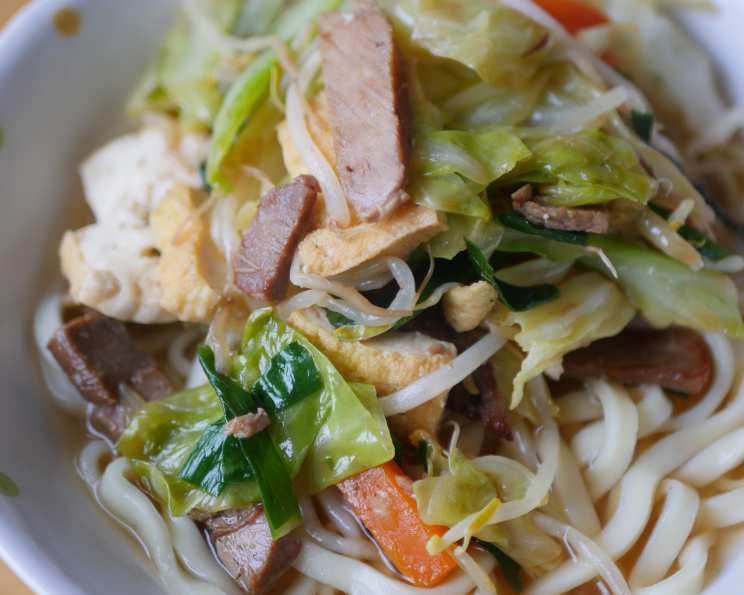
Okinawa Soba with Stir-Fried Vegetables: A Taste of the Islands
There’s something about the humid, sun-drenched air of Okinawa that imbues its cuisine with a unique spirit – one of comfort, nourishment, and delightful simplicity. I remember my first trip to the islands, a blur of vibrant colors, the gentle rhythm of the waves, and the unforgettable aroma of local dishes. Okinawa soba, in particular, captured my heart. It wasn’t just the texture of the thick, chewy noodles or the depth of the savory broth; it was the feeling of home it evoked, even far from my own. This particular iteration, enhanced with a medley of colorful, stir-fried vegetables and tender braised pork, takes that comforting classic and elevates it into a wholesome, satisfying meal that sings with freshness. It’s a dish that’s both deeply traditional and wonderfully adaptable, a true reflection of Okinawan culinary philosophy.
Recipe Overview
- Prep Time: 20 minutes
- Cook Time: 15 minutes
- Total Time: 35 minutes
- Servings: 2
- Yield: 2 servings
- Dietary Type: Adaptable (with vegetarian substitutions)
Ingredients
Here’s what you’ll need to bring this taste of Okinawa to your kitchen:
- 200 grams cabbage, cut into small pieces
- 1/3 carrot, sliced into thick strips
- 50 grams garlic chives, cut into approximately 5-centimeter pieces
- 100 grams deep-fried tofu (atsuage), cut into bite-sized pieces
- 100 grams braised pork (from your Okinawa soba recipe, sliced into small strips)
- 1 tablespoon vegetable oil
- 1 1/2 cups pork stock
- 2 1/2 cups dashi stock
- 1 tablespoon soy sauce
- 1 tablespoon awamori (Okinawan distilled spirit; can substitute with sake or dry sherry)
- 1/4 teaspoon salt
- 1/4 teaspoon pepper
- 200 grams Okinawa soba noodles
- 50 grams bean sprouts
Equipment Needed
- Large skillet or wok
- Medium saucepan
- Knife and cutting board
- Measuring cups and spoons
- Colander
- Serving bowls
Instructions
Let’s get cooking! Follow these steps to create your delicious Okinawa Soba with Stir-Fried Vegetables.
-
Prepare the Vegetables: Begin by meticulously preparing your vegetables. Wash the cabbage and cut it into small, manageable pieces. Take the carrot and slice it into pleasingly thick strips. The garlic chives should be cut into segments of about 5 centimeters. Next, cut the deep-fried tofu (atsuage) into bite-sized pieces, ensuring they will be easy to eat. If you are using pre-braised pork, slice it into small, tender strips.
-
Stir-Fry the Vegetables and Tofu: Place your large skillet or wok over medium-high heat. Once the pan is warm, add the tablespoon of vegetable oil. Allow the oil to heat up slightly before proceeding.
-
Sear the Pork: Carefully add the sliced braised pork to the hot pan. Stir-fry the pork for about a minute, ensuring it’s evenly coated with the oil. This step begins to release the pork’s savory flavors.
-
Add Cabbage and Carrot: Now, add the prepared cabbage to the pan. Stir-fry it with the pork for approximately 5 minutes, allowing it to soften and absorb the flavors. Following the cabbage, add the sliced carrot. Continue to stir-fry for an additional 1-2 minutes, just until the carrots are tender-crisp.
-
Incorporate Tofu and Bean Sprouts: Next, add the bite-sized pieces of atsuage (deep-fried tofu) and the bean sprouts to the stir-fry. Continue stir-frying for a few more minutes, allowing the tofu to warm through and the bean sprouts to wilt slightly.
-
Finish the Stir-Fry: Finally, add the cut garlic chives to the pan. Stir-fry for about one minute more, just until the chives are fragrant and slightly tender. Season the stir-fried mixture with salt and pepper to your taste. Remove the pan from the heat.
-
Prepare the Soba Broth: In a medium saucepan, combine the pork stock and the dashi stock. Place the saucepan over medium-high heat and bring the mixture to a gentle boil. Once boiling, stir in the tablespoon of soy sauce and the tablespoon of awamori. Taste the broth and adjust the seasoning with additional salt if needed. This savory broth is the heart of your Okinawa soba.
-
Cook the Okinawa Soba Noodles: Bring a separate pot of water to a rolling boil. Carefully add the Okinawa soba noodles and cook them according to the package instructions. This is crucial for achieving the perfect chewy texture.
-
Shock the Noodles: Once the noodles are cooked, drain them thoroughly in a colander. Immediately rinse them under cold running water. This step is essential to stop the cooking process and prevent the noodles from becoming mushy, ensuring their ideal texture.
-
Assemble and Serve: To serve, place a generous portion of the cooled Okinawa soba noodles into individual serving bowls or deep plates. Ladle the warm, savory broth over the noodles. Finally, top generously with the prepared stir-fried vegetables and braised pork. Serve immediately and savor the delightful flavors of Okinawa.
Expert Tips & Tricks
- Broth Depth: For an even richer broth, you can gently simmer the pork stock and dashi for an extra 15-20 minutes before adding the soy sauce and awamori. This allows the flavors to meld beautifully.
- Awamori Alternative: If you don’t have awamori, a dry sherry or even a good quality sake can be used. The goal is to add a subtle layer of fermented complexity to the broth.
- Noodle Texture: The cold water rinse after cooking the noodles is non-negotiable for that signature chewy texture. Don’t skip it!
- Vegetable Prep: Ensure all vegetables are cut to a similar size for even cooking and an attractive presentation.
Serving & Storage Suggestions
This Okinawa Soba is best enjoyed piping hot, straight after assembly. The textures of the tender noodles, crisp-tender vegetables, and savory broth are at their peak.
If you have any leftovers, store the cooked noodles, stir-fried vegetables, and broth separately in airtight containers in the refrigerator for up to 2 days. To reheat, gently warm the broth on the stovetop. You can then either warm the stir-fried vegetables and noodles separately or add them to the hot broth to reheat. Be mindful that the noodles may soften slightly upon reheating.
Nutritional Information
| Nutrient | Amount per Serving | % Daily Value |
|---|---|---|
| Calories | 671.1 kcal | |
| Calories from Fat | 201 g | |
| Total Fat | 22.4 g | 34% |
| Saturated Fat | 4.1 g | 20% |
| Cholesterol | 42 mg | 14% |
| Sodium | 1640.9 mg | 68% |
| Total Carbohydrate | 87.9 g | 29% |
| Dietary Fiber | 5.1 g | 20% |
| Sugars | 5.8 g | 23% |
| Protein | 39.8 g | 79% |
Nutritional values are estimates and can vary based on specific ingredients and preparation methods.
Variations & Substitutions
- Vegetarian/Vegan Option: For a meat-free version, omit the braised pork and use vegetable stock instead of pork stock. You can add extra firm tofu, shiitake mushrooms, or even edamame for added protein and texture.
- Spice it Up: If you enjoy a touch of heat, a sprinkle of chili flakes or a dash of togarashi (Japanese chili powder) can be added to the broth or as a garnish.
- Other Vegetables: Feel free to experiment with other quick-cooking vegetables like snap peas, bok choy, or bell peppers. Just ensure they are added at appropriate times to maintain their texture.
- Broth Customization: Some Okinawan soba variations include a touch of miso paste in the broth for added umami. Add a tablespoon of white miso paste to the broth along with the soy sauce for a different flavor profile.
FAQs
Q: What is the key to achieving the chewy texture of Okinawa soba noodles?
A: The essential step is to rinse the cooked noodles thoroughly under cold running water to stop the cooking process and prevent them from becoming soft.
Q: Can I use regular pork instead of braised pork?
A: Yes, you can. If using regular pork, it’s best to slice it thinly and stir-fry it until cooked through before adding the vegetables. Braised pork adds an extra layer of depth.
Q: What kind of dashi stock is traditionally used?
A: Traditionally, a kombu and katsuobushi (kelp and bonito flakes) dashi is used, but instant dashi powder can also be a convenient option.
Q: Is Awamori essential for this recipe?
A: Awamori adds a distinct local flavor, but it can be substituted with sake or dry sherry if unavailable.
Q: How quickly should I serve this dish after preparation?
A: This dish is best served immediately after assembly to enjoy the optimal textures of the noodles and vegetables.
Final Thoughts
Okinawa Soba with Stir-Fried Vegetables is more than just a meal; it’s a culinary journey to the beautiful islands of Okinawa. It embodies the Okinawan spirit of using fresh, seasonal ingredients to create dishes that are both nourishing and incredibly delicious. I encourage you to gather your ingredients, put on some of your favorite island tunes, and dive into the process. The aroma that will fill your kitchen is just the prelude to the delightful symphony of flavors that awaits. Should you find yourself with any questions or eager to share your own Okinawan soba adventures, please don’t hesitate to reach out. Enjoy every slurp!