
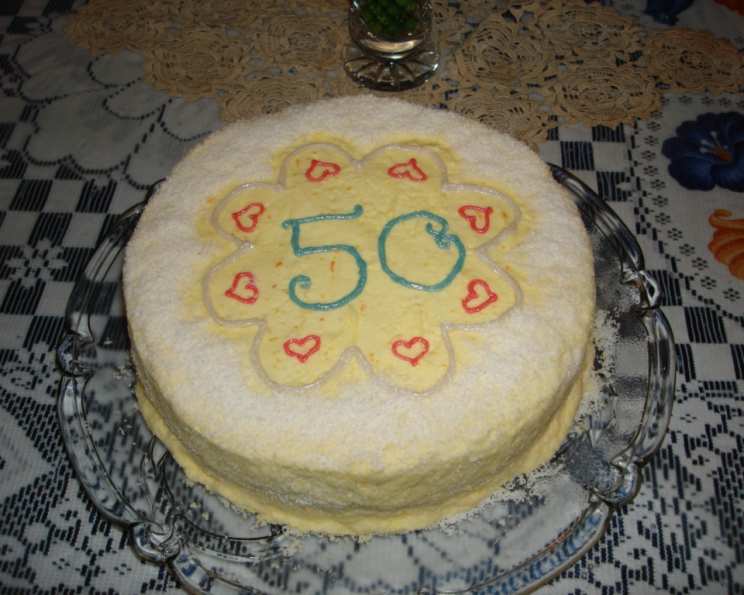
Orange Chocolate Marble Cake with Orange Buttercream Frosting
There are certain flavor combinations that, when encountered, transport you back in time with a visceral jolt. For me, the pairing of bright, zesty orange and rich, comforting chocolate is one of them. It reminds me of my grandmother’s kitchen, where the air would perpetually be perfumed with the sweet, tangy scent of citrus from her abundant backyard tree, and the decadent aroma of baking chocolate cakes on special occasions. This Orange Chocolate Marble Cake, with its beautiful swirls and vibrant frosting, is more than just a dessert; it’s a direct portal to those cherished memories, a delicious reminder of love and shared moments.
Recipe Overview
- Prep Time: 30 minutes
- Cook Time: 30 minutes
- Total Time: 1 hour
- Servings: 8-12
- Yield: 1 two-layer cake
- Dietary Type: Contains Dairy, Eggs, Gluten
Ingredients
This delightful cake requires careful assembly, but the reward is a visually stunning and incredibly flavorful dessert.
For the Orange Chocolate Marble Cake:
- 1/2 cup soft butter (unsalted, at room temperature)
- 1 1/2 tablespoons grated orange rind (from about 1-2 large oranges)
- 1 1/2 cups sugar
- 2 large eggs (at room temperature)
- 2 1/2 cups cake flour (sifted)
- 1 teaspoon salt
- 3 1/2 teaspoons baking powder
- 1 cup milk (whole milk is recommended for richness)
- 1 ounce unsweetened chocolate, melted (you can use unsweetened baking chocolate)
- 1/4 teaspoon baking soda
- 2 tablespoons water
- 1 (8 ounce) can mandarin oranges, drained (for garnish)
For the Orange Buttercream Frosting:
- 1/2 cup soft butter (unsalted, at room temperature)
- 1 large egg yolk (at room temperature)
- 4 cups confectioners’ sugar (sifted)
- 4 1/2 tablespoons orange juice (freshly squeezed is best)
- 1 tablespoon grated orange rind
Equipment Needed
- Two 9-inch round layer pans
- Electric mixer (stand or handheld)
- Large mixing bowls
- Whisk
- Spatula or knife (for marbling)
- Wire cooling racks
- Measuring cups and spoons
- Small bowl (for melting chocolate)
- Pastry brush (optional, for brushing mandarin oranges)
Instructions
Crafting this marble cake is a joy, a process of layering flavors and textures that culminates in a beautiful masterpiece.
- Begin by greasing and flouring two 9-inch round layer pans. This ensures your cakes release cleanly after baking. Preheat your oven to 350°F (175°C).
- In a large bowl, cream together the soft butter and sugar using an electric mixer. Beat until the mixture is light, fluffy, and pale yellow.
- Blend in the grated orange rind and the eggs, one at a time, beating well after each addition to ensure they are fully incorporated.
- In a separate medium bowl, sift together the cake flour, salt, and baking powder.
- Add the sifted dry ingredients to the creamed butter and sugar mixture alternately with the milk. Begin and end with the dry ingredients, beating well after each addition until just combined. Be careful not to overmix, as this can toughen the cake.
- Pour about two-thirds of the batter into the prepared layer pans. This will form the base for our orange layers.
- In a small bowl, combine the melted unsweetened chocolate with the baking soda and water. Stir until smooth.
- Blend this chocolate mixture into the remaining cake batter. Stir gently until the chocolate is evenly distributed, creating a rich, dark batter.
- Now for the artistry! Spoon dollops of the chocolate batter here and there over the orange batter in the prepared pans.
- Using a spatula or knife, gently swirl and cut through the batters to create a beautiful marbled effect. Don’t overmix; a few deliberate swirls will produce a more defined marble pattern.
- Bake in the preheated oven at 350°F (175°C) for 30 minutes, or until a wooden skewer inserted into the center of the cakes comes out clean, and the cakes spring back when lightly touched.
- Once baked, cool the cakes in their pans on wire racks for 10 minutes. This allows them to set slightly before being removed.
- After 10 minutes, carefully invert the cakes onto the wire racks to cool completely. Ensure they are thoroughly cooled before frosting, otherwise, the frosting will melt.
Orange Buttercream Frosting:
While the cakes are cooling, prepare the vibrant orange buttercream.
- In a large bowl, blend the soft butter and egg yolk at low speed using your electric mixer.
- Gradually beat in the confectioners’ sugar, alternating with the orange juice. Start with a portion of the sugar, then add some juice, and repeat until all are incorporated. Beat until smooth and creamy.
- Finally, beat in the grated orange rind for an extra burst of fresh citrus flavor.
Assembling and Decorating:
- Once the cakes are completely cooled, place one layer on your serving plate.
- Spread a generous amount of the Orange Buttercream Frosting over the first layer.
- Top with the second cake layer.
- Frost the top and sides of the entire cake with the remaining Orange Buttercream Frosting.
- For a final touch of elegance, decorate the top of the cake with the drained mandarin oranges. You can lightly brush them with some orange juice for a glossy finish, if desired.
Expert Tips & Tricks
- Room Temperature Ingredients: Ensuring your butter, eggs, and milk are at room temperature is crucial for a smooth batter and proper emulsification, leading to a tender cake. Take them out of the refrigerator about an hour before you begin.
- Sifting is Key: Sifting your dry ingredients, especially cake flour, ensures a lighter, airier cake texture by aerating the flour and removing any lumps.
- Gentle Marbling: For the most striking marble effect, don’t over-swirl. Just a few passes with your spatula or knife will create beautiful, distinct patterns. Too much swirling will make the batters blend together too much.
- Chocolate Quality: Using good quality unsweetened chocolate will impart a deeper, richer chocolate flavor to your cake.
- Fresh Citrus Zest: For the most potent orange flavor, always use fresh orange zest. The oils in the rind are where the majority of the aroma and flavor reside.
Serving & Storage Suggestions
This Orange Chocolate Marble Cake is best served at room temperature, allowing its flavors and textures to shine. A slice of this cake is delightful on its own, but it also pairs beautifully with a cup of coffee, a glass of milk, or even a delicate dessert wine.
Leftovers can be stored in an airtight container at room temperature for up to 2 days, provided your kitchen isn’t excessively warm. For longer storage, refrigerate the cake in an airtight container for up to 4 days. It’s best to bring refrigerated cake back to room temperature for about 30 minutes before serving for optimal texture and flavor. This cake can also be frozen, well-wrapped in plastic wrap and then in aluminum foil, for up to 3 months. Thaw overnight in the refrigerator.
Nutritional Information
Here’s an estimated breakdown of the nutritional content per serving of this decadent cake. Please note that these are approximate values and can vary based on specific ingredients and portion sizes.
| Nutrient | Amount per Serving | % Daily Value |
|---|---|---|
| Calories | 819.9 kcal | |
| Calories from Fat | 253 kcal | |
| Total Fat | 28.2 g | 43% |
| Saturated Fat | 17.1 g | 85% |
| Cholesterol | 132.5 mg | 44% |
| Sodium | 729.2 mg | 30% |
| Total Carbohydrate | 139 g | 46% |
| Dietary Fiber | 2 g | 8% |
| Sugars | 100 g | 400% |
| Protein | 7.4 g | 14% |
Variations & Substitutions
While this recipe is delightful as is, feel free to explore some creative variations:
- Citrus Swap: If you’re not a fan of oranges, you could substitute the orange rind and juice with lemon or lime for a different citrus profile.
- Chocolate Intensity: For a more intense chocolate flavor in the marble, consider using semi-sweet chocolate for melting or adding a tablespoon of cocoa powder to the chocolate batter.
- Dairy-Free Adaptations: While this recipe contains dairy, with careful ingredient selection, you could adapt it. Use a plant-based butter substitute for the cake and frosting, and a non-dairy milk like almond or oat milk. Ensure your unsweetened chocolate is dairy-free.
- Candied Orange Peel: Instead of mandarin oranges for garnish, consider making your own candied orange peel for a more intense and sophisticated citrus element.
FAQs (Frequently Asked Questions)
Q: Why should I use cake flour instead of all-purpose flour?
A: Cake flour has a lower protein content than all-purpose flour, which results in a more tender, delicate crumb structure, ideal for cakes.
Q: How do I ensure my marble cake doesn’t look muddy?
A: The key is to use distinct batters and to swirl them gently. Don’t over-mix the batters when creating the marble effect; just a few passes with a knife or spatula will create beautiful patterns.
Q: Can I make this cake ahead of time?
A: Yes, you can bake the cake layers a day in advance and store them at room temperature, well-wrapped, or refrigerate them. The frosting can also be made ahead and refrigerated.
Q: My cake has sunk in the middle. What went wrong?
A: This can happen due to overmixing the batter, opening the oven door too early during baking, or an oven temperature that is too high. Ensure you follow the mixing instructions and avoid peeking until the cake is close to done.
Q: Can I use a different type of chocolate for the marble swirl?
A: You can use semi-sweet chocolate, but be aware that it might make the marble swirl slightly sweeter and less distinctly dark than unsweetened chocolate.
Final Thoughts
This Orange Chocolate Marble Cake is a testament to the magic that happens when two classic flavors unite. It’s a cake that’s as beautiful to look at as it is delightful to eat, perfect for celebrations, or simply for those moments when you crave a touch of homemade comfort and elegance. I encourage you to try this recipe, to experience the joy of its creation and the pleasure of its taste. Share it with loved ones, and perhaps, create some new cherished memories of your own.