
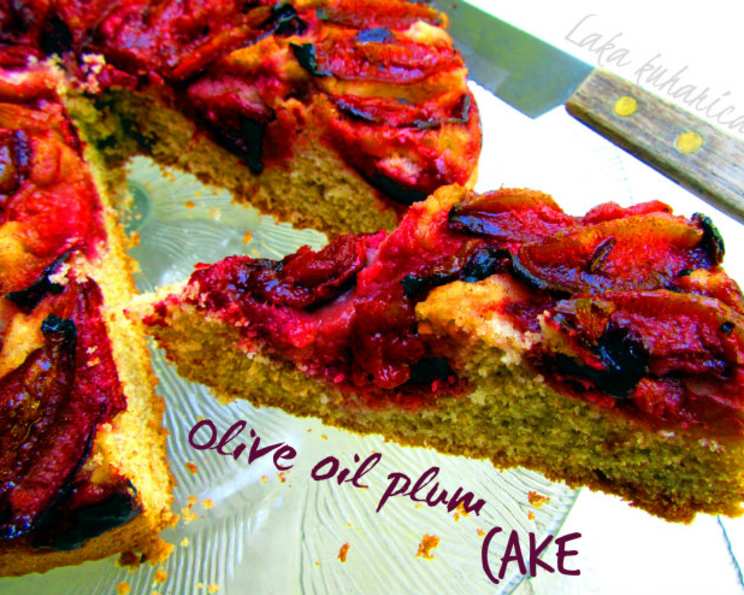
A Slice of Sunshine: My Olive Oil Plum Cake Revelation
There’s a certain magic that happens when ripe fruit meets a simple, honest batter. For me, that magic arrived one late summer afternoon, the air thick with the scent of ripening orchard bounty. I was experimenting, as I often do, with a lighter, more fragrant alternative to traditional butter cakes. The idea of olive oil as the primary fat sparked a curiosity, and when I unearthed a basket of plump, jewel-toned plums, I knew I had found my muse. As the cake baked, filling my kitchen with a comforting, sweet aroma tinged with the fruity notes of the olive oil, I felt a profound sense of anticipation. That first bite, a delicate crumb yielding to the tender, jammy burst of plum, was pure culinary poetry – a moment of simple perfection I’ve chased ever since.
Recipe Overview
- Prep Time: 15 minutes
- Cook Time: 40 – 45 minutes
- Total Time: 55 – 60 minutes
- Servings: 16
- Yield: 1 cake
- Dietary Type: Contains Wheat, Eggs, Dairy (Butter)
Ingredients
This cake is a testament to how a few high-quality ingredients can create something truly spectacular. The beauty lies in its simplicity, allowing the fruit and the subtle richness of the olive oil to shine.
-
For the Cake:
- 125 g whole wheat flour
- 90 g all-purpose flour
- 2 teaspoons baking powder
- ½ teaspoon sea salt
- 60 g butter, softened
- ¼ cup olive oil (a good quality, fruity extra virgin olive oil is recommended)
- 80 g demerara sugar
- 3 eggs
- 1 teaspoon vanilla extract
- ¼ teaspoon almond extract
-
For the Topping:
- 450 – 500 g firm plums, sliced (about 3-4 medium plums)
- 2 tablespoons muscovado sugar
- 1 teaspoon ground cinnamon
Equipment Needed
To bring this delightful cake to life, you’ll need a few essential kitchen tools:
- A 23 cm (9-inch) springform pan with a removable bottom
- Parchment paper
- A mixing bowl
- A whisk
- A hand-held electric mixer (or a stand mixer with a paddle attachment)
- A spatula
- A wire cooling rack
- A toothpick or cake tester
Instructions
The process of creating this olive oil plum cake is as enjoyable as the final product. Follow these steps carefully for a beautifully moist and flavorful cake.
-
Prepare the Dry Ingredients: Begin by sifting the whole wheat flour, all-purpose flour, baking powder, and sea salt together into a medium-sized bowl. Sifting ensures that all the dry ingredients are evenly distributed and helps to aerate the flour, leading to a lighter cake crumb. Set this bowl aside.
-
Cream the Fats and Sugar: In a separate large mixing bowl, beat the softened butter with a hand-held electric mixer on medium speed until it becomes light and fluffy, which should take approximately 1 minute. Next, add the olive oil and continue to beat at medium speed for another minute. You’re looking for a smooth, well-emulsified mixture. Scrape down the sides and the bottom of the bowl and the beaters to ensure everything is incorporated.
-
Incorporate the Sugar: Now, add the demerara sugar to the butter and olive oil mixture. Beat at medium speed for 1 minute. The sugar will start to dissolve and contribute to the cake’s texture and flavor.
-
Add the Eggs and Extracts: Beat in the eggs, one at a time, ensuring each egg is fully incorporated before adding the next. Scrape down the bowl and beaters between each addition to maintain a smooth consistency. Once all the eggs are added, add the vanilla extract and almond extract. Beat the mixture for a full 2 minutes at medium speed until it becomes very light and airy. This step is crucial for developing the cake’s tender texture.
-
Combine Wet and Dry: With the mixer on low speed, slowly add the sifted dry ingredients to the wet ingredients. Beat just until the flour is incorporated and no dry streaks remain. Be careful not to overmix at this stage, as overmixing can develop the gluten too much, resulting in a tougher cake.
-
Prepare the Pan and Batter: Scrape the cake batter into your prepared 23 cm springform pan. Line the bottom of the pan with lightly buttered parchment paper to prevent sticking. Use a spatula to spread the batter evenly within the pan, creating a smooth, level surface.
-
Arrange the Plums: Now for the beautiful part! Arrange the sliced plums on top of the batter. You can create aesthetically pleasing concentric circles, or simply scatter them evenly. Gently press the plums down into the batter so they are slightly submerged, which helps them to soften and release their juices during baking.
-
Add the Topping: Sprinkle the Muscovado sugar and ground cinnamon evenly over the plums. The Muscovado sugar will caramelize beautifully as it bakes, and the cinnamon will add a warm, aromatic counterpoint to the sweet fruit.
-
Bake the Cake: Preheat your oven to 180°C (350°F). Bake the cake for approximately 40 to 45 minutes. You’ll know it’s ready when the edges of the plums are beginning to color and a toothpick inserted into the center of the cake comes out clean. Oven temperatures can vary, so keep an eye on your cake. If the top starts to brown too quickly, you can loosely tent it with aluminum foil.
-
Cool and Serve: Once baked, remove the cake from the oven and let it cool on a wire rack for 10 minutes. This allows the cake to set slightly. After 10 minutes, carefully release the sides of the springform pan. Let the cake cool completely on the rack before slicing and serving. This is vital for the cake to hold its structure.
Expert Tips & Tricks
To elevate your Olive Oil Plum Cake from good to extraordinary, consider these seasoned insights:
- Plum Perfection: Use firm, ripe plums for the best texture and flavor. Overly ripe plums can become too mushy, while underripe ones might be too tart. Varieties like Stanley, Damson, or even Italian prunes work beautifully. If your plums are particularly tart, you might want to increase the Muscovado sugar slightly.
- Olive Oil Choice: The type of olive oil you use will subtly influence the flavor. A mild, fruity extra virgin olive oil is ideal here, complementing the fruit without overpowering it. Avoid very robust or peppery oils unless you’re seeking a more pronounced olive oil note.
- Don’t Overmix: As mentioned in the instructions, overmixing the batter after adding the flour is a common pitfall. It can lead to a dense, tough cake. Mix just until combined for a tender crumb.
- Room Temperature Ingredients: Ensuring your butter and eggs are at room temperature is crucial for proper emulsification and a well-aerated batter. Cold ingredients will not cream together as effectively.
- Parchment Paper is Key: Don’t skip the parchment paper in the springform pan. It’s your best friend for ensuring easy release and a clean presentation. A light buttering of the parchment paper itself adds an extra layer of security.
Serving & Storage Suggestions
This Olive Oil Plum Cake is a versatile treat, perfect for any occasion.
- Serving: It’s delightful served warm or at room temperature. A light dusting of powdered sugar, a dollop of unsweetened whipped cream, or a scoop of vanilla bean ice cream are classic accompaniments that beautifully enhance the cake’s flavors. For a more elegant presentation, serve with a drizzle of crème anglaise.
- Storage: Properly stored, this cake will keep well. Store leftover cake, covered tightly, at room temperature for up to 2 days. If your kitchen is very warm, or if you’ve used very ripe plums, it’s safer to store it in the refrigerator for up to 4 days. To reheat, gently warm individual slices in a low oven (around 150°C/300°F) or in the microwave for a few seconds.
Nutritional Information
Here’s an approximate breakdown of the nutritional content per serving. Please note that these are estimates and can vary based on ingredient specifics.
| Nutrient | Amount per Serving | % Daily Value |
|---|---|---|
| Calories | 280 kcal | 14% |
| Total Fat | 12 g | 15% |
| Saturated Fat | 3.5 g | 18% |
| Cholesterol | 45 mg | 15% |
| Sodium | 160 mg | 7% |
| Total Carbohydrate | 38 g | 14% |
| Dietary Fiber | 2 g | 7% |
| Total Sugars | 22 g | 44% |
| Protein | 4 g | 8% |
(Note: % Daily Value is based on a 2,000 calorie diet.)
Variations & Substitutions
While this recipe stands beautifully on its own, feel free to explore these delightful variations:
- Fruit Swap: While plums are sublime, peaches, nectarines, apricots, or even cherries would make wonderful substitutes during their respective seasons.
- Nutty Addition: For an added textural element, fold in ¼ cup of chopped almonds or walnuts into the batter along with the dry ingredients.
- Citrus Zest: Incorporate the zest of one lemon or orange into the batter for a brighter, more complex flavor profile. This pairs exceptionally well with the fruit.
- Gluten-Free: For a gluten-free version, you can experiment with a good quality gluten-free all-purpose flour blend that contains xanthan gum. You might need to adjust the liquid slightly.
FAQs
Q: Can I use frozen plums for this cake?
A: Yes, you can use frozen plums, but be sure to thaw them completely and drain off any excess liquid before arranging them on the cake. This helps prevent a soggy cake.
Q: My plums seem quite tart. What can I do?
A: If your plums are on the tart side, you can increase the amount of Muscovado sugar sprinkled on top slightly, or even add a tablespoon or two more to the batter itself.
Q: How can I tell if the cake is baked through?
A: The best indicator is the toothpick test. Insert a toothpick into the thickest part of the cake, away from any plums. If it comes out clean with no wet batter attached, the cake is done. The edges of the plums should also show signs of slight caramelization.
Q: Is it possible to make this cake dairy-free?
A: This recipe uses butter in the batter. For a dairy-free option, you could try replacing the 60g of butter with 60g of vegan butter or coconut oil, ensuring the coconut oil is solid at room temperature but softened.
Q: How long does the olive oil flavor last in the cake?
A: The olive oil contributes a subtle, pleasant richness and moisture. The flavor is generally well-balanced and doesn’t overpower the fruit. It tends to mellow slightly as the cake cools.
Final Thoughts
There’s a deep satisfaction that comes from baking with the season’s best. This Olive Oil Plum Cake is more than just a dessert; it’s an invitation to slow down, savor the sweetness of fresh ingredients, and create something truly memorable. I encourage you to gather your plums, embrace the simplicity of olive oil, and let the comforting aroma of this cake fill your home. Share a slice with loved ones, perhaps with a steaming mug of Earl Grey tea or a crisp glass of Vermentino. I’d be delighted to hear about your own experiences and any creative twists you bring to this delightful recipe. Happy baking!