
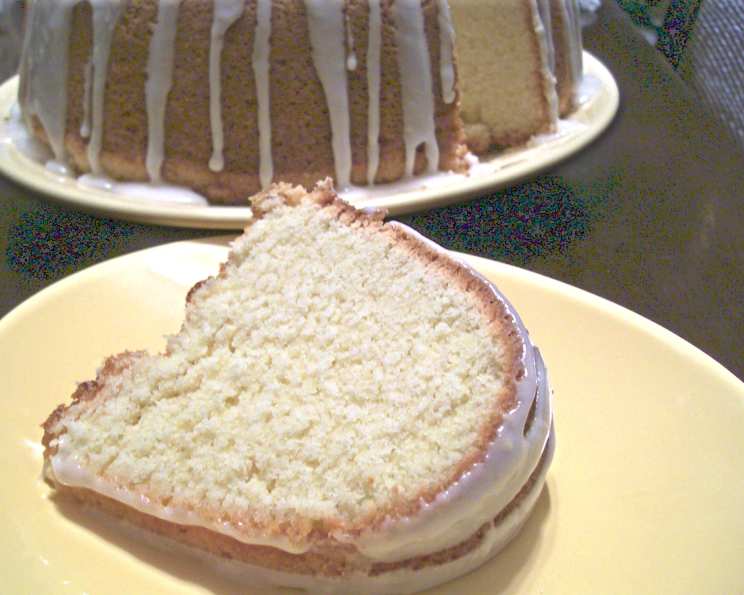
The Sunny Zest of Orange Pound Cake: A Classic Reimagined
There are certain flavors that, for me, are inextricably linked to memory. The comforting embrace of warm spices, the bright tang of a perfectly ripe berry, and then there’s the radiant, unmistakable perfume of orange. I remember one particular afternoon, a few decades ago now, when the air in my grandmother’s kitchen was thick with the sweet, citrusy aroma of a cake just pulled from the oven. It was an orange pound cake, dense and moist, with a glaze that dripped down its sides like liquid sunshine. That cake wasn’t just a dessert; it was a warm hug, a testament to simple ingredients transformed into something truly magical. It’s this very essence of comfort and pure, unadulterated citrus delight that this recipe so beautifully captures.
Recipe Overview
- Prep Time: 15 minutes
- Cook Time: 60 to 75 minutes
- Total Time: Approximately 1 hour 30 minutes (including cooling)
- Servings: 16
- Yield: 1 Bundt Cake
- Dietary Type: Standard Baking
Ingredients
This recipe calls for straightforward ingredients, many of which you likely already have in your pantry. The key is to ensure they are at the right temperature, especially the butter and eggs, for optimal creaming and incorporation.
For the Cake:
- 2 cups unsalted butter, softened to room temperature
- 3 cups granulated sugar
- 2 teaspoons orange extract
- 6 large eggs, at room temperature
- 4 cups all-purpose flour
- 1/2 cup fresh orange juice
- 2 teaspoons baking powder
For the Orange Glaze:
- 1 teaspoon pure orange extract
- 2-3 tablespoons fresh orange juice
- 1 1/2 cups confectioners’ sugar (also known as powdered sugar or icing sugar)
Equipment Needed
- A stand mixer or a heavy-duty electric hand mixer
- A 10-inch Bundt pan
- Measuring cups and spoons
- Mixing bowls (at least two)
- A whisk or fork
- A wire cooling rack
- A pastry brush (optional, for glaze application)
Instructions
Creating this beautiful orange pound cake is a journey of building flavors and textures, step by step. The process is designed to ensure a cake that is both tender and rich, with that unmistakable citrus punch.
-
Prepare the Pan and Oven: Begin by preheating your oven to 350°F (175°C). This is a crucial step for ensuring the cake bakes evenly. Next, thoroughly butter and flour your 10-inch Bundt pan. Make sure to get into all the nooks and crannies to prevent the cake from sticking. Excess flour can be tapped out.
-
Cream the Butter and Sugar: In the bowl of your stand mixer, or using a hand mixer and a large mixing bowl, cream together the softened unsalted butter and the granulated sugar. Beat them on medium-high speed until the mixture is light, fluffy, and pale yellow. This process incorporates air into the batter, which contributes to the cake’s tender crumb.
-
Incorporate the Orange Extract and Eggs: Beat in the orange extract until it’s well combined with the butter and sugar mixture. Then, add the eggs one at a time, beating well after each addition. It’s important to ensure each egg is fully incorporated before adding the next. This emulsification is key to a stable cake batter.
-
Add the First Portion of Flour: Now, add 2 cups of the all-purpose flour to the creamed mixture. Beat on low speed until just combined. Avoid overmixing at this stage, as it can develop the gluten in the flour too much, leading to a tough cake.
-
Introduce the Orange Juice: Pour in the 1/2 cup of fresh orange juice and beat again on low speed until it’s smoothly incorporated into the batter. The batter might look a little thin or separated at this point; this is normal.
-
Combine Baking Powder and Remaining Flour: In a separate bowl or a large measuring cup, stir the 2 teaspoons of baking powder into the remaining 2 cups of all-purpose flour. Whisk them together thoroughly to ensure the baking powder is evenly distributed. This dry mixture will help give the cake its lift.
-
Incorporate the Dry Ingredients: Gradually add the flour and baking powder mixture to the batter in the mixer bowl. Beat on low speed until everything is just combined and you have a smooth, thick batter. Again, be careful not to overmix. Scrape down the sides of the bowl as needed to ensure all ingredients are incorporated.
-
Bake the Cake: Spoon the batter into the prepared Bundt pan, spreading it evenly. Bake in the preheated oven for 60 to 75 minutes. The cake is done when it pulls away from the sides of the pan and a knife or toothpick inserted into the center comes out clean. Oven temperatures can vary, so it’s always best to check for doneness as the baking time approaches the lower end of the range.
-
Initial Cooling: Once baked, remove the Bundt pan from the oven and place it on a wire rack to cool for 10 minutes. This brief cooling period allows the cake to set slightly, making it easier to unmold.
-
Invert and Continue Cooling: After 10 minutes, carefully invert the cake onto a serving plate. You can leave the pan on top of the cake for a few minutes to help it hold its shape as it continues to cool. Then, lift off the pan. Allow the cake to cool for another 10 to 20 minutes on the rack.
-
Prepare the Glaze: While the cake is cooling, it’s time to make the glaze. In a small bowl, stir the 1 teaspoon of pure orange extract and the orange juice into the confectioners’ sugar. Start with 2 tablespoons of orange juice and add more, a tablespoon at a time, as needed. The goal is to achieve a thick, smooth mixture that’s pourable but not too runny. Stir with a fork or a small whisk until there are no lumps.
-
Glaze the Cake: Spread the glaze over the cake with a pastry brush while the cake is still warm, allowing it to drip down the sides, or drizzle it on in a lacy pattern for a more delicate finish. The warmth of the cake will help the glaze set slightly.
Expert Tips & Tricks
- Room Temperature is Key: For the creaming process to work effectively, your butter should be softened but not melted. Your eggs should also be at room temperature; they emulsify better with the butter and sugar when not cold. If you forget to take them out in advance, you can quickly warm eggs by placing them in a bowl of warm (not hot) water for about 5-10 minutes.
- Don’t Overmix: Overmixing flour in cake batters can develop gluten, leading to a tough cake. Mix only until the ingredients are just combined, especially after adding the flour.
- The Bundt Pan Matters: A well-greased and floured Bundt pan is your best friend. For extra insurance, you can use a baking spray that contains flour.
- Glaze Consistency: The thickness of your glaze is a matter of preference. A thinner glaze will run more, while a thicker one will sit more opaquely. Adjust the orange juice accordingly.
Serving & Storage Suggestions
This Orange Pound Cake is a star on its own, but it also pairs beautifully with a dollop of freshly whipped cream, a scoop of vanilla bean ice cream, or a side of fresh berries. For an elegant dessert, a light dusting of extra confectioners’ sugar can add a refined touch.
Storage:
Once completely cooled, store the cake in an airtight container at room temperature. It will stay fresh and moist for 2 to 3 days. If you live in a very warm climate or if the glaze is particularly soft, you might consider refrigerating it, although this can sometimes slightly dry out the cake. If refrigerated, bring it back to room temperature for about 30 minutes before serving for the best texture. You can also freeze portions of the cake, tightly wrapped in plastic wrap and then aluminum foil, for up to 2 months. Thaw overnight at room temperature.
Nutritional Information
| Nutrient | Amount per Serving | % Daily Value |
|---|---|---|
| Calories | 539.8 kcal | |
| Calories from Fat | 226 kcal | |
| Total Fat | 25.1 g | 38% |
| Saturated Fat | 15.2 g | 76% |
| Cholesterol | 130.8 mg | 43% |
| Sodium | 76.5 mg | 3% |
| Total Carbohydrate | 74 g | 24% |
| Dietary Fiber | 0.9 g | 3% |
| Sugars | 49.5 g | 198% |
| Protein | 5.9 g | 11% |
Note: Nutritional information is an estimate and can vary based on specific ingredients and brands used.
Variations & Substitutions
- Lemon Pound Cake: Swap the orange extract for lemon extract and use fresh lemon juice in both the cake and the glaze.
- Orange-Cranberry Swirl: Fold in about 1 cup of fresh or frozen cranberries (rinsed and patted dry if fresh) and a tablespoon or two of orange zest into the batter just before pouring it into the pan. For an extra burst of flavor, consider adding a teaspoon of orange zest to the batter itself for a more pronounced citrus aroma and taste.
- Gluten-Free Orange Pound Cake: Substitute a high-quality gluten-free all-purpose flour blend for the all-purpose flour. You may need to adjust the liquid slightly, as gluten-free flours can absorb moisture differently.
- Candied Orange Peel Garnish: For a beautiful and flavorful finish, sprinkle some finely chopped candied orange peel over the glaze once it has set.
FAQs (Frequently Asked Questions)
Q: Why is my pound cake dense and heavy?
A: This can happen if the butter and sugar weren’t creamed enough, if the eggs weren’t incorporated properly, or if the flour was overmixed. Ensuring all ingredients are at room temperature and following the creaming instructions carefully are key.
Q: My cake stuck to the Bundt pan. How can I prevent this?
A: Thoroughly greasing and flouring your Bundt pan is the most important step. Make sure to get into every crevice. Using a baking spray with added flour can also be very effective.
Q: Can I make this cake ahead of time?
A: Yes, this pound cake is an excellent make-ahead option. It can be stored at room temperature for 2-3 days, allowing the flavors to meld further.
Q: How do I know if my cake is fully baked?
A: A cake is fully baked when it starts to pull away from the sides of the pan and a knife or toothpick inserted into the center comes out clean, without any wet batter clinging to it.
Q: What if I don’t have orange extract?
A: While orange extract provides a concentrated flavor, you can increase the amount of orange zest you add to the batter (around 2-3 tablespoons) and use more fresh orange juice. However, the flavor intensity will be less pronounced than with extract.
A Slice of Sunshine
This Orange Pound Cake is more than just a recipe; it’s an invitation to a moment of pure, unadulterated joy. Its tender crumb, vibrant citrus aroma, and sweet, tangy glaze create a symphony of flavors that will brighten any occasion. Whether you’re sharing it with loved ones or savoring a quiet moment for yourself, this cake is a little piece of sunshine on a plate. I encourage you to bake it, share it, and let its sunny disposition bring a smile to your face. Enjoy every delightful bite!