
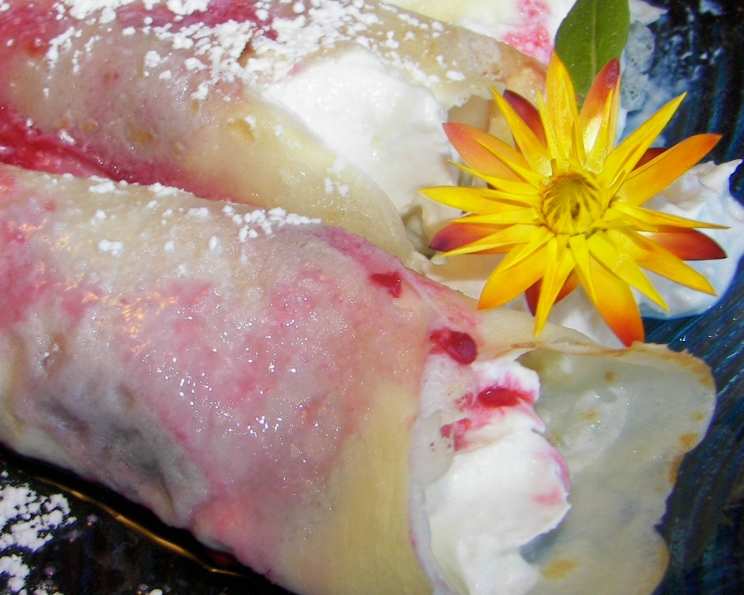
The Elegant Simplicity of the Swiss “Omelette” (or Crepe!)
There’s a certain magic in dishes that appear deceptively simple, yet hold within them a universe of flavor and comfort. For me, these Swiss “omelettes,” as they’re affectionately known, are precisely that. I remember my first encounter with them during a chilly Swiss autumn, the air crisp with the scent of woodsmoke and roasting chestnuts. They were served in a cozy mountain lodge, impossibly thin and delicate, their savory aroma mingling with the sharp tang of aged cheese. That meal wasn’t just food; it was an embrace, a warm hug on a cold day, and it cemented my lifelong appreciation for the humble crepe’s transformative potential.
Recipe Overview
- Prep Time: 30 minutes (plus 30 minutes chilling)
- Cook Time: 30 minutes
- Total Time: 1 hour
- Servings: 3-4
- Yield: 10 crepes (approx)
- Dietary Type: Can be adapted (see variations)
Ingredients
Here’s what you’ll need to create these delightful Swiss omelettes:
- 1 ½ cups plain flour
- ½ cup self-raising flour
- 2 eggs
- 1 ½ cups water
- 1 ½ cups milk (combined with the water to make the liquid component)
- 2 teaspoons oil (flavourless, like sunflower oil)
- 1 pinch salt
Equipment Needed
- Large mixing bowl or wide jug
- Whisk (electric whisk or hand beaters recommended)
- Non-stick frying pan
- Spatula or fish slice for flipping
- Plate for serving and keeping warm
Instructions
Creating these delicate omelettes is a straightforward process, but a little attention to detail will yield beautiful results.
- Sift the Dry Ingredients: Begin by sifting the plain flour and self-raising flour into your mixing bowl or wide jug. While not strictly mandatory, sifting helps to aerate the flours, contributing to a lighter texture in your finished omelettes.
- Incorporate Wet Ingredients (Part 1): Add the lightly beaten eggs and half of the milk-water mixture to the sifted flours.
- Initial Whisking: Whisk these ingredients together using an electric whisk or hand beaters until they are just combined. Don’t overwork the batter at this stage.
- Add Remaining Liquid: Pour in the remaining milk-water mixture.
- Develop the Batter: Whisk the batter again, this time for about 1 minute, until it becomes smooth and develops a slightly frothy consistency. This step helps to fully incorporate the ingredients and begin developing the batter’s structure.
- Add Flavor and Texture Enhancers: Now, add the oil and salt to the batter. Whisk for another minute until the batter is thoroughly smooth and frothy. The oil will contribute to a tender crumb and help prevent sticking, while the salt enhances the overall flavor.
- Chill the Batter: Cover the bowl or jug and refrigerate the batter for at least 30 minutes. This resting period is crucial. It allows the gluten in the flour to relax, resulting in a more tender omelette that’s less prone to tearing. It also allows the starches to fully hydrate, contributing to a smoother texture.
- Assess Consistency: After chilling, take the batter out of the fridge and lightly whisk it again. At this point, you might want to check the consistency. It should be thin, similar to heavy cream. If it seems too thick, you may need to add a little extra liquid (water or milk), though this is often not necessary after the initial rest. You might only realize this necessity when you start cooking.
- Prepare the Pan: Spray a non-stick frying pan lightly with oil and heat it up over medium heat. The pan should be hot but not smoking.
- Cook the First Side: Lift the pan off the heat temporarily. Ladle or pour a small amount of the omelette mix into the hot pan. Immediately rotate the pan in a circular motion to ensure the batter thinly and evenly coats the entire bottom surface of the pan.
- Return to Heat and Brown: Place the pan back on the heat. Cook the underside of the omelette until it is lightly browned. You’ll be able to see the edges firming up and the surface losing its wet sheen.
- The Flip: Carefully flip the omelette using a spatula or fish slice.
- Cook the Second Side: Cook the second side until it is also done.
- Keep Them Warm: Remove the omelette from the pan and place it on a plate. To keep the omelettes warm and to ensure they become pliable for rolling, cover them with another plate. As you continue to make the remaining omelettes, you can place them in a warm oven (around 100°C/200°F) while you finish the batch. Don’t worry if they appear a little stiff initially; the steam trapped between the plates as they cool will soften them, making them beautifully pliable for filling and rolling.
Expert Tips & Tricks
- The Right Pan is Key: A good quality non-stick pan is your best friend when making crepes or these thin omelettes. It significantly reduces the chance of sticking and tearing.
- Temperature Control: Mastering the pan temperature is vital. Too hot, and the batter will cook too quickly, potentially burning before the inside is done. Too cool, and you’ll end up with a pale, gummy omelette. A gentle sizzle when the batter hits the pan is ideal.
- Thin is In: The beauty of these omelettes lies in their thinness. Resist the urge to pour too much batter into the pan. A thin layer allows for quick, even cooking and a delicate texture.
- The Magic of Resting: Don’t skip the chilling step. It truly makes a difference in the final texture and ease of handling.
- Embrace Imperfection: Your first few omelettes might not be perfectly round or uniform. This is completely normal! They’ll still taste delicious, and you’ll quickly get the hang of it. The ones made while learning can be delicious practice fuel.
Serving & Storage Suggestions
These versatile omelettes are a blank canvas for your culinary creativity. Traditionally, in Switzerland, they are often filled with sautéed mushrooms and cheese, creating a savory delight. For a sweet indulgence, a dollop of Nutella and a sprinkle of crushed nuts, as mentioned in the original notes, is simply divine. They can also be served with fresh berries, a dusting of powdered sugar, or a drizzle of honey.
Leftovers can be stored by stacking them between parchment paper in an airtight container in the refrigerator for up to 2-3 days. When ready to reheat, gently warm them in a dry non-stick pan over low heat or briefly in the microwave. If they have become a little stiff, a quick steam in a covered pan with a tablespoon of water can revive their pliability.
Nutritional Information
Please note that this nutritional information is an estimate and will vary depending on the specific ingredients and quantities used, as well as any fillings added.
| Nutrient | Amount per Serving (approx. for 1/10th of recipe, plain) | % Daily Value |
|---|---|---|
| Calories | 455.6 kcal | |
| Calories from Fat | (Not explicitly provided, but calculated from fat) | |
| Total Fat | 11.4 g | 17% |
| Saturated Fat | 4.3 g | 21% |
| Cholesterol | 141.1 mg | 47% |
| Sodium | 164 mg | 6% |
| Total Carbohydrate | 69.5 g | 23% |
| Dietary Fiber | 2.2 g | 9% |
| Sugars | 0.3 g | 1% |
| Protein | 16.8 g | 33% |
(Note: The “Calories from Fat” and “% Daily Value” for this specific component were provided in a less structured format in the original data and have been presented to the best of ability within the table structure.)
Variations & Substitutions
The beauty of this base recipe is its adaptability.
- For a Dairy-Free Version: Substitute the milk with your favorite plant-based milk, such as almond, soy, or oat milk.
- For a Gluten-Free Version: This requires more significant adaptation. You would need to experiment with a good quality gluten-free all-purpose flour blend. Ensure the blend contains a binder like xanthan gum. The texture and cooking properties may differ, so adjustments to liquid may be necessary.
- Sweet Variations: For a sweeter batter, you can add a tablespoon or two of sugar or a touch of vanilla extract to the batter during step 6.
- Savory Variations: For a truly savory omelette, consider adding finely chopped herbs like chives or parsley to the batter.
FAQs
Q: Why is my omelette batter sticking to the pan?
A: Ensure your pan is properly heated, well-oiled, and is genuinely non-stick. Also, allow the omelette to cook undisturbed on the first side until it releases easily before attempting to flip.
Q: My omelettes are tearing when I try to flip them. What should I do?
A: This usually happens if the batter is too thin, the pan isn’t hot enough, or you’re trying to flip too early. Ensure you’ve chilled the batter and whisked it again, as this helps with pliability. Cook the first side a little longer until the edges are set.
Q: Can I make the batter ahead of time?
A: Yes, the batter can be made a day in advance and stored in the refrigerator. Just give it another whisk before using.
Q: How do I get them really thin?
A: The key is to use just enough batter to thinly coat the bottom of the pan and to swirl the pan immediately after pouring the batter.
Q: What’s the difference between this and a French crepe?
A: The main difference lies in the leavening. The inclusion of self-raising flour in this recipe gives it a slightly more substantial, almost pancake-like quality compared to the paper-thin, unleavened French crepe.
Final Thoughts
These Swiss “omelettes” are a testament to the fact that simple ingredients, treated with a little care and attention, can create something truly special. Whether you opt for a savory filling of mushrooms and cheese or a decadent sweet treat, they offer a comforting and satisfying experience. I encourage you to try them, experiment with your favorite fillings, and discover your own delightful variations. They are particularly wonderful when served with a crisp white wine or a warm cup of tea, making for a perfect brunch, light lunch, or even a comforting dessert. Enjoy the process, and savor every delicate bite!