
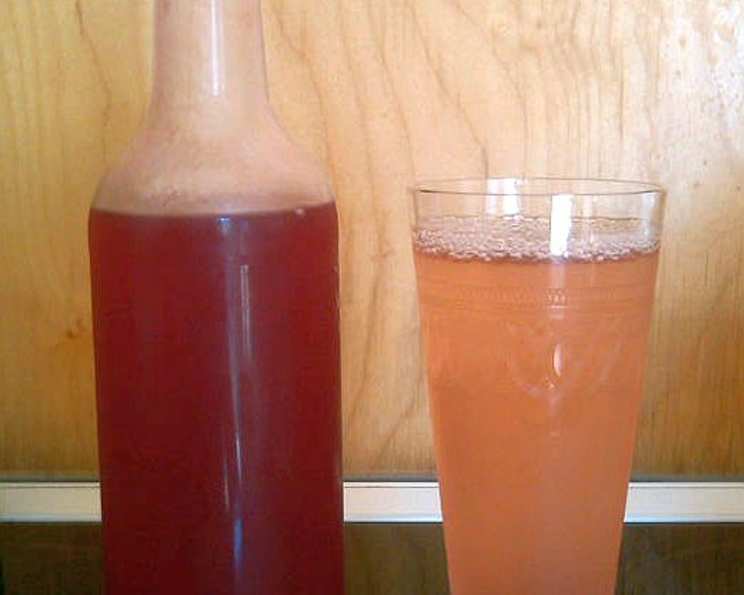
The Enchanting Elixir: Rose-Thyme Syrup
As a chef, I’ve always found immense joy in transforming simple ingredients into something extraordinary. There was a time, after a particularly bountiful harvest from my herb garden, when I found myself with an overwhelming abundance of fresh thyme. The aroma, even when dried, is wonderfully evocative. I had spent the day creating various syrups, and the thought crossed my mind – could thyme, with its herbaceous depth, be coaxed into a sweet, syrupy form? Intrigued, I began to experiment, and in that moment of culinary curiosity, the idea of marrying thyme with the delicate perfume of roses bloomed. Drawing inspiration from my Iranian heritage, where precise measurements are often a suggestion rather than a rule, I initially combined ingredients based on intuition and what I had on hand. However, to share this delightful creation, I meticulously measured my later attempts, resulting in the recipe I’m so excited to share with you today. The inclusion of rock sugar, specifically two pieces the size of lychees infused with saffron, adds a unique, subtle complexity. And for those wondering about the gelling sugar, it was born from necessity, a happy accident when I ran low on regular granulated sugar – a testament to improvisation in the kitchen!
Recipe Overview
- Prep Time: 25 minutes
- Cook Time: 30 minutes
- Total Time: 55 minutes (plus steeping time)
- Servings: Approximately 4-6
- Yield: About 1 bottle (approx. 700 ml)
- Dietary Type: Vegan, Dairy-Free, Gluten-Free
Ingredients
This recipe celebrates the delicate dance between floral and herbaceous notes, creating a syrup that is both sophisticated and surprisingly versatile.
- 700 ml Water
- 100 g Demerara Sugar
- 190 g Gelling Sugar (or 290g regular granulated sugar for a less set syrup)
- 8 g Vanilla Sugar
- 10 g Citric Acid
- 3 generous handfuls of dried Rose Petals (ensure they are culinary grade)
- 17 g fresh Thyme sprigs
- 2 pieces of Saffron-infused Rock Sugar (optional, for added depth and visual appeal)
Ingredient Notes:
- Rose Petals: It’s crucial to use culinary-grade rose petals. You can find these at specialty food stores or online. If using fresh rose petals, ensure they have not been sprayed with pesticides.
- Gelling Sugar: The recipe calls for gelling sugar, which helps achieve a slightly thicker, more jam-like consistency. If you prefer a thinner syrup, you can substitute the 190g of gelling sugar with an additional 100g of regular granulated sugar, bringing the total of regular sugar to 200g. You might find it takes longer to reduce.
- Rock Sugar: Saffron-infused rock sugar is an optional addition that lends a beautiful color and a subtle, earthy warmth to the syrup. If you cannot find it, regular rock sugar can be used, or you can omit it entirely.
- Fresh Thyme: The quantity of fresh thyme is given by weight. This ensures a consistent flavor profile.
Equipment Needed
The process of making this syrup is straightforward, requiring only a few essential kitchen tools.
- Medium saucepan
- Fine-mesh sieve or cheesecloth
- Sterilized glass bottle or jars for storage
- Measuring cups and spoons
- Kitchen scale (recommended for accuracy)
- Wooden spoon or heat-resistant spatula
Instructions
The creation of this Rose-Thyme Syrup is a patient process, allowing the flavors to meld and deepen beautifully.
- In a medium saucepan, combine the water, demerara sugar, and gelling sugar. Bring this mixture to a boil over medium heat, stirring occasionally to ensure the sugars dissolve completely.
- Once the sugars have dissolved and the mixture begins to boil, reduce the heat to low. Add the dried rose petals to the simmering liquid. Let the mixture simmer gently for a few minutes, allowing the floral essence of the rose petals to infuse into the liquid.
- Stir in the vanilla sugar and citric acid. Continue to stir repeatedly until the vanilla sugar and citric acid are fully incorporated. The citric acid not only acts as a preservative but also brightens the flavors.
- Now, add the fresh thyme sprigs to the saucepan. Ensure the thyme is submerged in the liquid.
- Remove the saucepan from the heat. Cover it and let the mixture stand for approximately 25 minutes. This steeping time is crucial for extracting the aromatic compounds from the thyme. You can adjust this time based on your desired intensity; a longer steeping period will result in a more pronounced thyme flavor. However, be mindful that over-steeping can lead to a slightly acrid taste.
- After the steeping period, strain the syrup through a fine-mesh sieve or cheesecloth into a clean bowl or directly into your sterilized storage bottle. Gently press the thyme and rose petals to extract as much liquid as possible, but avoid over-squeezing, which can release bitter compounds. Discard the solids.
- If you find the syrup is not as sweet as you’d prefer, or if you are using regular granulated sugar and it hasn’t thickened to your liking, you can return the strained syrup to the saucepan. If you are using the optional rock sugar, add it now and gently heat the syrup again until the rock sugar dissolves. Be cautious not to boil vigorously at this stage if you have used gelling sugar, as it can affect its setting properties. Continue to simmer gently for a few more minutes until the syrup reaches your desired consistency.
Expert Tips & Tricks
To elevate your Rose-Thyme Syrup from good to truly exceptional, consider these culinary insights:
- Quality of Ingredients: The success of this syrup hinges on the quality of your ingredients. Using high-quality, fragrant dried rose petals and fresh, vibrant thyme will make a significant difference in the final flavor.
- Sterilization is Key: Always sterilize your bottles or jars thoroughly before filling them with the syrup. This is essential for proper preservation and to prevent spoilage. You can do this by washing them in hot, soapy water and then placing them in a preheated oven at 120°C (250°F) for at least 15 minutes, or by boiling them in water for 10 minutes.
- The Art of Steeping: The steeping time for the thyme is subjective. For a subtle hint of thyme, 15-20 minutes might suffice. For a more pronounced, herbaceous note, you can extend it to 30 minutes, but taste frequently to avoid bitterness.
- Consistency Check: To check if your syrup has reached the desired consistency (especially if you’ve used regular sugar), you can perform the “wrinkle test.” Place a small plate in the freezer for a few minutes. Drizzle a tiny amount of syrup onto the cold plate. If it wrinkles when you push it with your finger, it’s ready.
- Infusion Techniques: For a more intense rose flavor, you can gently warm the water and a portion of the sugar with the rose petals first, let it steep for an hour, strain, and then proceed with adding the remaining ingredients.
Serving & Storage Suggestions
This Rose-Thyme Syrup is a delightful addition to a myriad of culinary creations.
Serving Suggestions:
- Beverages: Drizzle into sparkling water for a refreshing, floral spritzer. It’s also a wonderful addition to cocktails, teas, and even lemonade.
- Desserts: Use it as a glaze for cakes, tarts, or scones. It’s also exquisite over ice cream, yogurt, or fresh fruit.
- Savory Applications: Don’t shy away from its savory potential! A small amount can add an unexpected and elegant note to salad dressings, marinades for chicken or pork, or even as a glaze for roasted vegetables.
Storage:
Once cooled completely, pour the Rose-Thyme Syrup into your sterilized glass bottle or jars. Seal them tightly. Store the syrup in a cool, dark place at room temperature for up to 2 weeks. For longer storage, refrigerate the syrup, where it will keep for 2 to 3 months. Properly stored, this syrup will maintain its vibrant flavor and aroma.
Nutritional Information
Here is an approximate nutritional breakdown per serving (assuming 6 servings):
| Nutrient | Amount per Serving | % Daily Value |
|---|---|---|
| Calories | 404.2 kcal | – |
| Total Fat | 0.3 g | 0% |
| Saturated Fat | 0.1 g | 0% |
| Cholesterol | 0 mg | 0% |
| Sodium | 23.6 mg | 0% |
| Total Carbohydrate | 104.1 g | 34% |
| Dietary Fiber | 2.4 g | 9% |
| Sugars | 99.8 g | 399% |
| Protein | 0.9 g | 1% |
Note: Nutritional values are estimates and can vary based on specific ingredients and quantities used.
Variations & Substitutions
While this recipe is wonderful as is, feel free to explore these variations:
- Floral Fusion: Add a few dried lavender buds along with the rose petals for a more complex floral profile.
- Citrus Zest: Incorporate the zest of one lemon or orange during the initial simmering phase for a brighter, more complex citrus note. Remember to remove the zest before straining.
- Herbal Ensemble: Experiment with other complementary herbs like rosemary or mint, using them in similar quantities to the thyme for a different aromatic experience.
- Spiced Syrups: A small pinch of cardamom or a star anise pod added during simmering can lend a warm, spicy undertone.
FAQs
Q: Can I use fresh rose petals instead of dried ones?
A: Yes, you can use fresh, culinary-grade rose petals. You’ll likely need a larger quantity, and ensure they are thoroughly washed and free from pesticides.
Q: My syrup isn’t thickening. What should I do?
A: If you used regular granulated sugar instead of gelling sugar, you may need to simmer it for longer to reduce the liquid and achieve a thicker consistency. Ensure your heat is on a gentle simmer.
Q: How can I make this syrup less sweet?
A: You can reduce the total amount of sugar used, but be aware that sugar acts as a preservative. If significantly reducing sugar, it’s best to store the syrup in the refrigerator and use it more quickly. You can also increase the citric acid slightly, but do so cautiously.
Q: Can I use a different type of sugar?
A: While demerara sugar adds a nice caramel note, you can use regular granulated sugar for the base. The key is ensuring it dissolves fully. The optional rock sugar is for flavor and aesthetic, not essential for the syrup’s structure.
Q: What if I don’t have vanilla sugar?
A: You can use regular granulated sugar and add about half a teaspoon of pure vanilla extract after straining the syrup, stirring it in well.
Final Thoughts
The creation of this Rose-Thyme Syrup is more than just a recipe; it’s an invitation to explore the fragrant corners of your pantry and garden. It’s a testament to how simple ingredients, when treated with care and a touch of creativity, can blossom into something truly magical. Whether you’re looking to elevate a simple drink, add an unexpected elegance to a dessert, or even surprise your guests with a unique cocktail ingredient, this enchanting elixir is sure to impress. I encourage you to try it, experiment with its versatility, and perhaps even discover your own favorite way to enjoy its delicate perfume. Share your creations and feedback – I’d be delighted to hear about your journey with this delightful Rose-Thyme Syrup!