
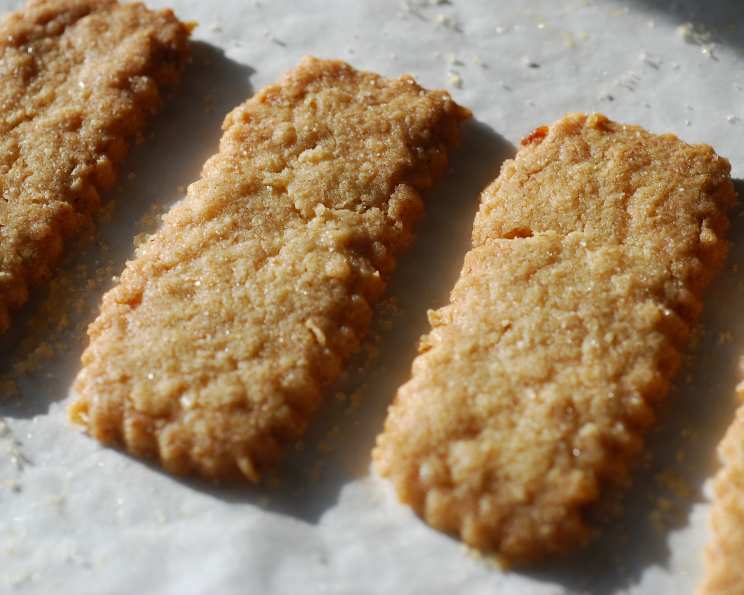
Rosemary Infused Sweet Shortbread: A Symphony of Savory and Sweet
There are certain flavors that, when combined, create a spark of unexpected delight, a culinary handshake that transcends initial skepticism. This rosemary-infused shortbread is one such creation. I remember the first time I encountered this recipe; it was shared by a dear friend who, like me, is a fervent believer in the magic of the unexpected in the kitchen. We were initially hesitant, as the idea of rosemary, a herb more commonly associated with savory dishes, finding its way into a sweet cookie seemed, well, unconventional. Yet, the aroma that filled the kitchen as the butter steeped with the fragrant needles, and the resulting crisp, buttery texture with that subtle, herbaceous whisper, utterly charmed us. It’s become a cherished recipe, a testament to how daring to deviate from the norm can lead to the most delicious discoveries.
Recipe Overview
- Prep Time: 20 minutes (plus chilling time)
- Cook Time: 12-16 minutes
- Total Time: 1 hour 36 minutes
- Servings: Variable (dependent on cookie size)
- Yield: 30-40 cookies (pieces)
- Dietary Type: Vegetarian
Ingredients
This recipe is a masterclass in simple elegance, relying on the quality of its few, carefully chosen ingredients.
- 2 sprigs fresh rosemary
- 250 g butter, unsalted (no substitutions recommended for optimal texture)
- 1 teaspoon salt (sea salt is preferred for its subtle minerality, as in the original recipe)
- Zest of 1/2 organic lemon (optional, but highly recommended for a bright counterpoint)
- 300 g spelt flour
- 150 g organic unbleached cane sugar, divided
Equipment Needed
- Small saucepan
- Fine-mesh sieve
- Large mixing bowl
- Rolling pin
- Baking sheets
- Parchment paper (optional, for easier cleanup)
- Fork
- Cooling rack
- Airtight container for storage
Instructions
The process of making these shortbread cookies is as rewarding as the final bite, a gentle dance of heat, infusion, and careful assembly.
- Infuse the Rosemary Butter: Begin by rinsing the fresh rosemary sprigs and shaking them thoroughly dry. In a small saucepan, combine the butter and salt. Heat this mixture over medium heat. Once the butter has melted, add the prepared rosemary sprigs to the pot. Bring the mixture to a gentle boil, then reduce the heat slightly and let it simmer for 1 minute. This short, intense simmer is crucial for extracting the rosemary’s essential oils without burning the butter.
- Cool and Strain: Remove the saucepan from the heat. Allow the butter and rosemary mixture to cool for a bit. Once slightly cooled, carefully strain the liquid butter through a fine-mesh sieve into a clean bowl or container. Discard the rosemary sprigs. Place the strained butter in the refrigerator to solidify again. For an even more pronounced rosemary flavor, you can leave the rosemary sprigs in the butter for up to an hour before straining, allowing for a deeper infusion.
- Combine Dry Ingredients: In a large mixing bowl, combine the spelt flour, lemon zest (if you are using it), and 120 g of the organic unbleached cane sugar. Whisk these dry ingredients together to ensure they are evenly distributed.
- Incorporate the Rosemary Butter: Once the infused butter has solidified, cut it into small pieces. Add these pieces to the dry ingredients in the mixing bowl. Using your fingertips or a pastry blender, knead the butter into the flour mixture until it resembles coarse breadcrumbs. Gradually work the mixture together until a smooth dough forms. Be careful not to overwork the dough, as this can lead to tough cookies.
- Chill the Dough: Gently shape the dough into a disc. Wrap it in plastic wrap and refrigerate it in a cool place for at least 30 minutes. This chilling period is essential for allowing the gluten to relax and the fats to firm up, which will make the dough easier to handle and result in a crisper cookie.
- Shape and Prepare for Baking: Preheat your oven to 200°C (375°F). Lightly flour your work surface. Roll out the chilled dough to an approximate thickness of 1/2 cm (0.2 inch). Be precise with the thickness to ensure even baking. If the dough becomes too soft to handle, return it to the refrigerator for a few minutes to firm up again.
- Prick and Sugar: Carefully transfer the rolled-out dough to a baking sheet lined with parchment paper, if using. Use a fork to prick the surface of the dough all over. This helps prevent the cookies from puffing up too much during baking. Sprinkle the remaining organic unbleached cane sugar evenly over the surface of the dough.
- Bake to Golden Perfection: Place the baking sheet on the lower rack of your preheated oven. Bake for approximately 12-16 minutes, or until the edges of the shortbread are just beginning to turn a light golden brown. Keep a close eye on them, as ovens can vary, and you want them to be crisp, not burnt.
- Cool Completely: Remove the baking sheet from the oven and let the shortbread cool on the baking sheet for a few minutes before carefully transferring it to a wire cooling rack. It is crucial to let the shortbread cool completely before breaking or cutting it. As it cools, it will firm up and become wonderfully crisp. Once fully cooled, break or cut the shortbread into desired pieces.
Expert Tips & Tricks
- Butter Quality Matters: Using a good quality, high-fat butter is paramount for shortbread. It contributes significantly to the rich flavor and tender, crumbly texture. Avoid using low-fat margarines.
- Don’t Rush the Infusion: While 1 minute of simmering is the minimum, leaving the rosemary in the butter for an hour before straining allows for a deeper, more nuanced rosemary flavor. Experiment to find your perfect balance.
- Gentle Kneading: Overworking the dough will develop the gluten too much, resulting in a tougher cookie. Mix just until the ingredients come together.
- Uniform Thickness: For perfectly even baking, consider using rolling guides or ensuring your work surface and rolling pin are lightly floured to prevent sticking and promote uniform thickness.
- Oven Watchfulness: The “lower rack” instruction is key for shortbread. It allows for a more direct heat, promoting crispness without over-browning the top. Always keep an eye on your cookies during the last few minutes of baking.
Serving & Storage Suggestions
These rosemary-infused shortbread cookies are a revelation served simply on their own, allowing their unique flavor profile to shine. They pair beautifully with a cup of strong black tea, a delicate herbal infusion, or even a crisp glass of white wine. For an elegant dessert platter, consider them alongside fresh berries or a dollop of lightly sweetened crème fraîche.
To store your rosemary shortbread, ensure it is completely cooled. Place the cooled cookies in an airtight container. Stored correctly at room temperature, they will retain their delightful crispness for up to 2 weeks. Avoid storing them with strongly scented items, as their delicate flavor can be easily masked. They do not typically require refrigeration.
Nutritional Information
Here’s an approximate nutritional breakdown per cookie, assuming a yield of 35 cookies:
| Nutrient | Amount per Serving | % Daily Value |
|---|---|---|
| Calories | 79 kcal | |
| Total Fat | 6.7 g | 10% |
| Saturated Fat | 4.2 g | 21% |
| Cholesterol | 17.8 mg | 5% |
| Sodium | 125.2 mg | 5% |
| Total Carbohydrate | 5 g | 1% |
| Dietary Fiber | 0 g | 0% |
| Sugars | 5 g | 20% |
| Protein | 0.1 g | 0% |
Note: Nutritional values are estimates and can vary based on specific ingredients used.
Variations & Substitutions
While this recipe is delightful as is, here are a few ideas for creative variations:
- Citrus Twist: Enhance the optional lemon zest by adding a touch of lime zest for a more vibrant citrus note. Orange zest could also be an interesting, sweeter alternative.
- Herb Blend: For a more complex herbal profile, consider adding a tiny pinch of dried thyme or a very small amount of finely chopped fresh lavender alongside the rosemary. Use these additions sparingly, as rosemary should remain the star.
- Spelt Flour Alternative: If spelt flour is unavailable, you can substitute an equal amount of all-purpose flour. However, spelt flour lends a slightly nuttier flavor and a more tender crumb, which is characteristic of this shortbread.
- Sugar Adjustment: If you prefer a less sweet cookie, you can reduce the total sugar by up to 25g, but be mindful that sugar contributes to the crispness and browning.
FAQs
Q: Why is it important to use unsalted butter and add salt separately?
A: Using unsalted butter gives you complete control over the salt content, ensuring a balanced flavor profile. Different brands of salted butter have varying salt levels, which can lead to an unpredictable outcome.
Q: Can I use dried rosemary instead of fresh?
A: While fresh rosemary offers a more nuanced and vibrant flavor, you can use dried rosemary in a pinch. Use about 1/3 to 1/2 teaspoon of dried rosemary, as its flavor is more concentrated. Add it during the butter heating step.
Q: My dough is too sticky to roll out. What should I do?
A: If your dough is too soft, it likely needs more chilling time. Wrap it tightly and return it to the refrigerator for another 15-30 minutes, or until it’s firm enough to handle without sticking excessively. You can also lightly dust your work surface and rolling pin with more spelt flour.
Q: How can I achieve a crispier shortbread?
A: Baking on the lower rack, ensuring uniform thickness, and avoiding overworking the dough are key. Also, ensure the cookies are baked until they are just golden at the edges. Slightly underbaking can lead to a softer cookie, while overbaking can make them too hard.
Q: Can I make this recipe gluten-free?
A: Adapting this recipe for gluten-free baking would require a complete reformulation of the flour blend, as spelt flour is not gluten-free. This recipe is specifically designed to leverage the properties of spelt.
A Taste of Sophistication
This Rosemary Infused Sweet Shortbread is more than just a cookie; it’s an experience. It’s a testament to the beauty of unexpected pairings and the rewards of culinary curiosity. The gentle, aromatic presence of rosemary cuts through the rich, buttery sweetness, creating a cookie that is both comforting and sophisticated. I encourage you to bake a batch, perhaps with loved ones, and savor the delightful surprise that unfolds with each crisp, flavorful bite. Share your creations, your feedback, and your own variations – the kitchen is a place of shared joy and discovery. Enjoy!