
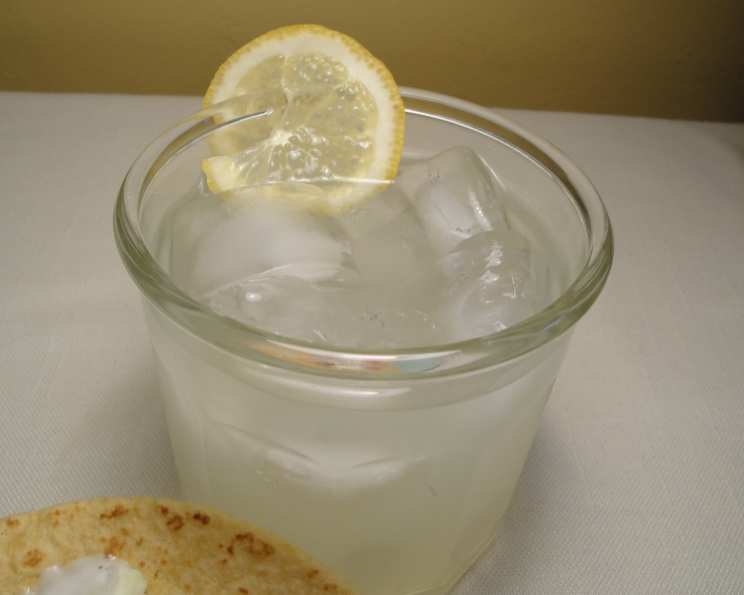
The Undiluted Joy of Real Lemonade
There’s a particular kind of magic that happens when you take a few humble ingredients – water, sugar, and the sunshine captured in a lemon – and transform them into something utterly sublime. For me, that magic is embodied in a perfect glass of real lemonade. I remember sweltering summer afternoons at my grandparents’ house, the air thick with the scent of honeysuckle, and my grandmother emerging from the kitchen with a sweating pitcher of her homemade lemonade. The vibrant, tangy-sweet liquid was a lifeline, a pure distillation of refreshment that felt like a reward for enduring the heat. It wasn’t just a drink; it was a memory, a feeling, a taste of pure, unadulterated happiness. This recipe, a cherished legacy from a former church cookbook, captures that very essence – the simple, honest goodness that defines truly great lemonade.
Recipe Overview
- Prep Time: 10 minutes
- Cook Time: 5 minutes
- Total Time: 15 minutes (plus chilling time)
- Servings: 8
- Yield: 2 quarts
- Dietary Type: Vegan, Gluten-Free, Dairy-Free
Ingredients
The beauty of real lemonade lies in its simplicity, proving that the finest flavors often come from the fewest, freshest components.
- 1 1/2 cups granulated sugar
- 1/2 cup boiling water
- 1 tablespoon lemon zest (rind) – This is where a significant portion of the lemon’s aromatic oils reside, so don’t skip it! Use a microplane or the fine side of a grater for best results, ensuring you only get the yellow part of the rind and not the bitter white pith.
- 1 1/2 cups lemon juice, fresh squeezed – The heart and soul of your lemonade. Aim for ripe, juicy lemons. About 6-8 medium lemons should yield this amount.
- 8 cups cold water
- Ice cubes or crushed ice, for serving
Equipment Needed
While lemonade is deceptively simple, a few tools will make the process smoother:
- Measuring cups and spoons
- A heatproof bowl (for dissolving the sugar)
- A whisk
- A fine-mesh sieve (optional, for straining seeds and pulp from the lemon juice)
- A large pitcher (at least 2-quart capacity)
- A citrus juicer (manual or electric)
- A microplane or fine grater (for lemon zest)
Instructions
Crafting this classic beverage is remarkably straightforward, focusing on a quick dissolving of the sugar and a harmonious blend of sweet and tart.
- Dissolve the sugar: In a heatproof bowl, combine the 1 1/2 cups of granulated sugar with the 1/2 cup of boiling water. Whisk vigorously until the sugar is completely dissolved. This creates a simple syrup base, ensuring the sugar is fully integrated into the liquid and won’t settle at the bottom of your pitcher.
- Infuse with lemon flavor: Add the 1 tablespoon of lemon zest (rind) and the 1 1/2 cups of fresh squeezed lemon juice to the sugar syrup. Stir gently to combine. Let this mixture sit for about 5 to 10 minutes. This brief infusion period allows the aromatic oils from the zest to meld with the sweet and tart liquids, deepening the lemon flavor.
- Combine and chill: Pour the 8 cups of cold water into a large pitcher. Add the lemon and sugar mixture from the bowl. Stir well to ensure everything is thoroughly combined.
- TO SERVE: Fill glasses generously with ice cubes or crushed ice. Pour the prepared lemonade over the ice.
- Garnish (Optional): If desired, garnish each serving with a sprig of fresh mint or a maraschino cherry for a pop of color and visual appeal.
Expert Tips & Tricks
To elevate your homemade lemonade from good to truly exceptional, consider these professional insights:
- The Zest is Key: Don’t underestimate the power of lemon zest. It contributes a fragrant, floral note that fresh juice alone can’t replicate. When zesting, aim for the bright yellow part of the peel. The white pith underneath is bitter and should be avoided.
- Juice Wisely: Rolling your lemons on the countertop before cutting them can help release more juice. For the absolute best flavor, squeeze lemons by hand; they tend to yield a brighter, fresher taste than some electric juicers. If you prefer a pulp-free lemonade, strain your freshly squeezed lemon juice through a fine-mesh sieve before adding it to the mixture.
- Sweetness Adjustment: The recipe provides a balanced starting point, but personal preference for sweetness varies. After combining all ingredients and before serving, taste your lemonade. If it’s too tart, you can dissolve a little more sugar in a small amount of hot water and add it gradually until it reaches your desired sweetness. Conversely, if it’s too sweet, a little more fresh lemon juice or cold water can do the trick.
- The Power of Simple Syrup: Creating a simple syrup (dissolving sugar in hot water) is crucial. It ensures the sugar dissolves completely, creating a smooth, homogenous lemonade without any grainy texture.
Serving & Storage Suggestions
Real lemonade is at its peak when served ice-cold, its bright acidity and sweetness a welcome contrast to a warm day. Serve it generously over plenty of ice in tall glasses. For a more elegant presentation, consider adding thin lemon slices or twists to the rim of the glasses.
Leftovers can be stored in a tightly sealed pitcher in the refrigerator for 2 to 3 days. The flavor may mellow slightly over time, but it will remain delicious. Avoid leaving lemonade at room temperature for extended periods, as this can affect its freshness and safety. Freezing is generally not recommended for lemonade, as the dilution and flavor can be compromised upon thawing.
Nutritional Information
Please note that nutritional information can vary based on the size and juiciness of lemons used, as well as the exact brand of sugar. This is an estimated breakdown per serving (assuming 8 servings).
| Nutrient | Amount per Serving | % Daily Value (approx.) |
|---|---|---|
| Calories | 156 kcal | 8% |
| Total Carbohydrate | 41 g | 15% |
| Dietary Fiber | 0.2 g | 1% |
| Total Sugars | 41 g | 82% |
| Protein | 0.2 g | 0% |
| Sodium | 8 mg | 0% |
| Total Fat | 0.1 g | 0% |
| Saturated Fat | 0 g | 0% |
| Cholesterol | 0 mg | 0% |
Variations & Substitutions
While this recipe is a classic for a reason, there’s always room for delightful variations:
- Pink Lemonade: For a beautiful hue and a subtle flavor twist, add a splash of cranberry juice, raspberry puree, or even a tiny amount of grenadine to the finished lemonade.
- Herbal Infusions: For an added layer of complexity, steep a few sprigs of fresh mint, basil, or rosemary in the hot water before dissolving the sugar, or add them directly to the pitcher once it’s made. Remove the herbs before serving.
- Fruity Twists: Muddle fresh berries like strawberries, raspberries, or blueberries at the bottom of your serving glasses before pouring in the lemonade. This adds both visual appeal and a burst of complementary fruit flavor.
- Sparkling Lemonade: For a fizzy treat, replace some or all of the cold water with chilled sparkling water or club soda just before serving. This creates a delightful effervescence.
- Sweetener Alternatives: While granulated sugar is traditional, you can experiment with other sweeteners. Agave nectar or simple syrup made with honey (if not strictly vegan) can be used, but you’ll need to adjust the quantities as their sweetness levels differ.
FAQs
Q: Why is my lemonade cloudy?
A: A slight cloudiness is normal and often desirable, as it indicates the presence of lemon oils from the zest and pulp. If you prefer a perfectly clear lemonade, you can strain the final mixture through a very fine-mesh sieve or cheesecloth.
Q: Can I make this lemonade ahead of time?
A: Yes, you can prepare the lemon and sugar mixture and store it in the refrigerator. Dilute it with cold water and ice just before serving for the freshest taste.
Q: How can I make my lemonade tarter?
A: Increase the amount of fresh lemon juice. You can also reduce the amount of sugar slightly.
Q: Is this recipe suitable for a crowd?
A: Absolutely. This recipe yields 2 quarts, which can easily serve 8 people. You can scale up the ingredients proportionally to make larger batches for gatherings.
Q: What’s the best way to store leftover lemonade?
A: Store any leftover lemonade in a tightly sealed pitcher or container in the refrigerator. It’s best consumed within 2-3 days for optimal freshness.
A Taste of Sunshine, Anytime
There’s an undeniable comfort in a glass of truly homemade lemonade. It’s a reminder of simpler times, of sunny afternoons, and of the joy found in basic, wholesome ingredients. This recipe is more than just a list of steps; it’s an invitation to capture a little bit of that sunshine in your own kitchen, no matter the season. So, go ahead, squeeze those lemons, dissolve that sugar, and pour yourself a glass of pure, unadulterated bliss. Share it with friends, savor it on your own, and let the bright, refreshing taste transport you. Happy sipping!