
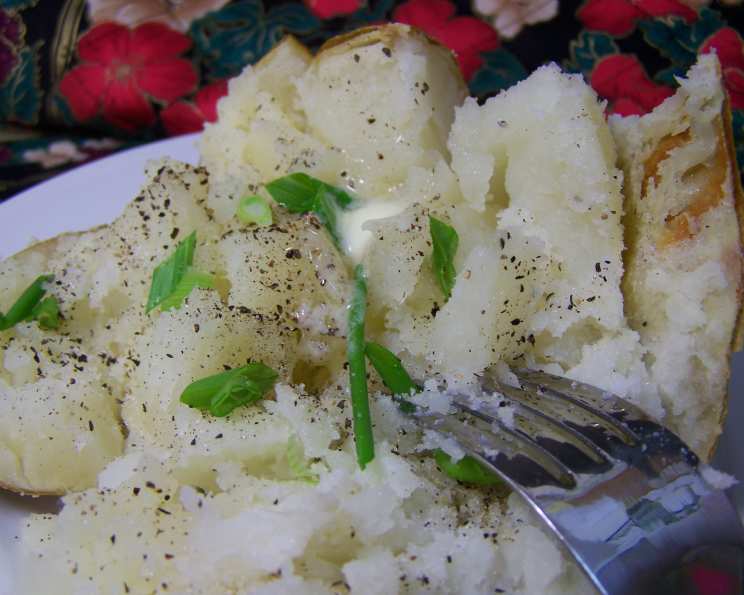
The Secret to Restaurant-Style Baked Potatoes, Unlocked
There’s something undeniably comforting about a perfectly baked potato. It’s the unassuming hero of countless meals, a canvas for a symphony of toppings, and a testament to the beauty of simple ingredients handled with care. I remember countless evenings in bustling steakhouses, the aroma of grilled meats mingling with the earthy scent of potatoes pulled from their ovens. Each time, I’d marvel at how they achieved that magical dichotomy: a shatteringly crisp skin that yielded to an impossibly fluffy, steaming interior. For years, my own attempts at home resulted in dense, slightly gummy disappointments. It felt like a secret reserved for professionals, a culinary illusion I just couldn’t replicate. Then, I stumbled upon this method, and the revelation was profound. It’s not magic, but a simple, yet crucial, technique that delivers that coveted restaurant-quality texture every single time.
Recipe Overview
- Prep Time: 10 minutes
- Cook Time: 40-60 minutes
- Total Time: 50-70 minutes
- Servings: 4
- Yield: 4 baked potatoes
- Dietary Type: Vegan, Gluten-Free, Dairy-Free
Ingredients
- 4 Idaho potatoes
- ½ teaspoon salt
Equipment Needed
- Oven
- Baking sheet
- Fork
- Knife
Instructions
The journey to the perfect baked potato begins with selecting the right spud. For that ethereal, fluffy interior, Idaho potatoes are your undisputed champions. Their starchy nature makes them ideal for achieving that light, airy texture we’re after. Begin by washing the potatoes thoroughly under cool running water. Don’t be shy; scrub away any lingering dirt. The magic truly starts when the potatoes are still damp. While they are still moist from rinsing, rub them all over with plenty of salt. This might seem counterintuitive, but this crucial step draws moisture out of the potato’s skin during the baking process, contributing significantly to that coveted crispiness and, more importantly, an incredibly light and fluffy interior.
Next, equip your potatoes with some ventilation. Pierce the potatoes with a fork all over. This allows steam to escape during baking, preventing them from bursting and ensuring even cooking. Don’t just poke a few holes; give them a good number of pricks all around.
Now, it’s time for the oven. Preheat your oven to 400°F (200°C). Arrange the prepared potatoes directly on the oven rack or on a baking sheet. Placing them directly on the rack often results in a crispier skin, but a baking sheet is a good option if you’re concerned about any potential drippings.
Bake at 400°F (200°C) for 40 to 60 minutes, or until the potatoes are tender. The exact baking time will depend on the size of your potatoes and your individual oven. The best way to check for doneness is to insert a knife into the center of the potato. When a knife inserted into the center of the potato comes out with no resistance, they are done. The skin should feel taut and slightly crispy, and the potato should yield gently to pressure. The result of this simple technique is a truly delightful baked potato with a wonderfully crispy exterior and an unbelievably fluffy interior.
Expert Tips & Tricks
The beauty of this recipe lies in its simplicity, but a few pro touches can elevate your baked potato game even further.
- Potato Selection is Key: Beyond Idaho, Russets are another excellent choice for their high starch content. Avoid waxy potatoes like Yukon Golds or red potatoes, as they tend to remain denser when baked.
- Don’t Skimp on the Salt: That ½ teaspoon of salt might seem minimal, but it’s the perfect amount to draw out just enough moisture for a crispier skin and fluffier interior without making the potato taste salty. If you’re making multiple potatoes, you might need slightly more salt to ensure each one gets a good coating.
- Even Sizing Matters: Try to select potatoes that are roughly the same size. This ensures they will all cook at approximately the same rate, preventing some from being overcooked while others are undercooked.
- The “Slap Test”: Once the baking time is nearing its end, you can give a potato a gentle squeeze. If it yields and the skin appears slightly creased, it’s likely done and wonderfully fluffy inside.
- Oven Temperature Fluctuations: Ovens can vary. If you find your potatoes are taking longer than usual, don’t hesitate to increase the temperature slightly in the last 10-15 minutes to help crisp up the skin. Conversely, if they’re browning too quickly, you can tent them loosely with foil.
Serving & Storage Suggestions
Once your perfect baked potatoes emerge from the oven, resist the urge to dive in immediately. Let them rest for about 5-10 minutes. This allows the internal steam to redistribute, ensuring the fluffy interior is consistent throughout. To serve, make a single slit lengthwise down the top of each potato. Then, gently squeeze the ends towards the center. This opens up the potato, revealing its fluffy interior, ready for your favorite toppings.
Leftover baked potatoes can be stored in an airtight container in the refrigerator for up to 3 days. For the best reheating results, you can place them back in a 350°F (175°C) oven for about 15-20 minutes, or until heated through. Alternatively, you can microwave them for a quicker option, though the skin may not retain its crispiness. If you prefer a crisper skin after microwaving, you can finish them under the broiler for a few minutes.
Nutritional Information
This nutritional information is an estimate and will vary based on the exact size of the potatoes and any added toppings.
| Nutrient | Amount per Serving | % Daily Value |
|---|---|---|
| Calories | 164 kcal | |
| Calories from Fat | 1 g | 1% |
| Total Fat | 0.2 g | 0% |
| Saturated Fat | 0.1 g | 0% |
| Cholesterol | 0 mg | 0% |
| Sodium | 303.5 mg | 12% |
| Total Carbohydrate | 37.2 g | 12% |
| Dietary Fiber | 4.7 g | 18% |
| Sugars | 1.7 g | 6% |
| Protein | 4.3 g | 8% |
Variations & Substitutions
While the classic baked potato is perfection in its simplicity, it’s also a fantastic foundation for creativity.
- Sweet Potato Twist: While this recipe is optimized for starchy white potatoes, you can apply the same technique to sweet potatoes. You’ll likely find they take a little longer to bake and have a naturally sweeter, denser flesh.
- Herb-Infused Skin: For an extra layer of flavor, consider rubbing the potatoes with a little olive oil and your favorite dried herbs (like rosemary or thyme) along with the salt before baking.
- Garlic Lover’s Delight: Infuse your salt with finely minced garlic or garlic powder before rubbing it onto the potatoes for a subtle garlic aroma and flavor.
FAQs (Frequently Asked Questions)
Q: Why are Idaho potatoes best for baked potatoes?
A: Idaho potatoes have a high starch content and low moisture, which allows them to become incredibly light and fluffy when baked, a texture difficult to achieve with waxier potato varieties.
Q: Can I use regular table salt for this recipe?
A: Yes, regular table salt is perfectly suitable for this recipe. The quantity is more important than the specific type of salt used for drawing out moisture.
Q: My baked potato skin isn’t crispy, what went wrong?
A: Ensure your potatoes were well-rinsed and rubbed with salt while still damp. Also, make sure your oven is at the correct temperature and that you’ve baked them for the full recommended time or until a knife pierces easily.
Q: Can I wrap my baked potatoes in foil while baking?
A: Wrapping in foil will steam the potato rather than bake it, resulting in a softer skin and a less fluffy interior. For crispy skin, bake them uncovered.
Q: How do I ensure the inside is cooked all the way through?
A: A knife or fork should slide into the center of the potato with absolutely no resistance. If you feel any firmness, continue baking and check again in 10-minute intervals.
A Foundation of Comfort
The humble baked potato, prepared with intention, is more than just a side dish; it’s a comforting embrace on a plate. This method strips away the complexity, revealing the potato’s true potential for a light, fluffy, and satisfying experience. Whether you’re topping it with a dollop of dairy-free sour cream and chives, a hearty chili, or simply a pat of vegan butter, this recipe provides the perfect canvas. Gather your ingredients, embrace the simplicity, and savor the delightful results. I encourage you to try this technique and discover the joy of a truly restaurant-quality baked potato in your own home.