
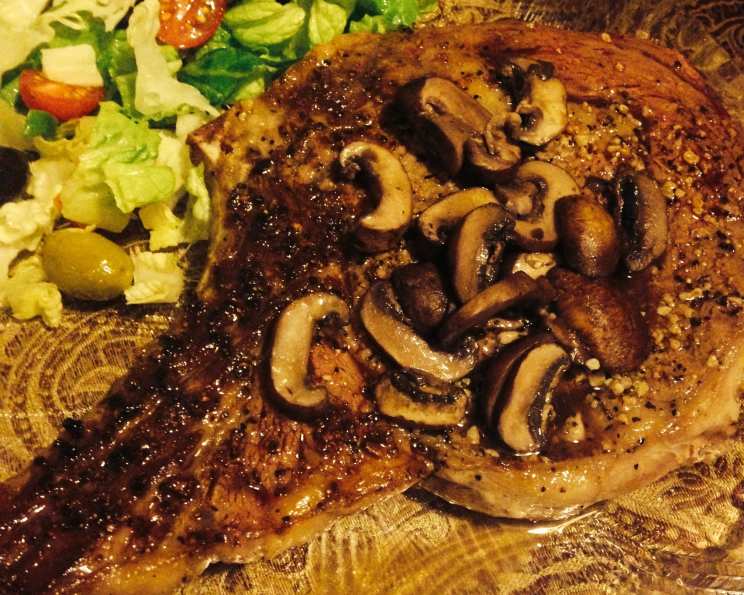
The Majestic Ribeye: A Chef’s Ode to the King of Steaks
I remember the first time I truly understood the magic of a perfectly cooked ribeye. It wasn’t in a Michelin-starred restaurant, but at a rustic backyard barbecue. The air was thick with the scent of charcoal and anticipation. My uncle, a man of few words but immense skill with a grill, had been tending to a couple of thick-cut ribeyes for what felt like an eternity. When he finally presented them, glistening and impossibly tender, I was mesmerized. The deep mahogany crust, the rosy pink interior, the way it yielded to the slightest pressure – it was a revelation. That evening, the ribeye wasn’t just food; it was an experience, a testament to the beauty of simplicity and quality ingredients. It taught me that sometimes, the most profound culinary pleasures come from respecting a magnificent cut of meat and letting it shine.
Ribeye Steak with Sautéed Mushrooms
This recipe is a celebration of that understanding – a straightforward approach to highlighting the rich, marbled goodness of a ribeye, complemented by the earthy sweetness of sautéed mushrooms.
Recipe Overview
- Prep Time: 15 minutes
- Cook Time: 30 minutes
- Total Time: 45 minutes
- Servings: 1
- Yield: 1 steak
- Dietary Type: Gluten-Free, Dairy-Free (optional)
Ingredients
- 1 thick-cut rib eye steak (at least 1.5 inches thick)
- Steak seasoning (your favorite blend, or a simple mix of salt, black pepper, and garlic powder)
- ½ cup sliced mushrooms (cremini, shiitake, or a mix work beautifully)
- 2 tablespoons butter (use a dairy-free butter alternative for a dairy-free option)
- Salt (for seasoning the mushrooms if needed)
Equipment Needed
- Grill or heavy-bottomed skillet (cast iron is ideal)
- Small saucepan (for sautéing mushrooms)
- Tongs
- Meat thermometer (highly recommended)
Instructions
- Pre-Heat Grill (or Skillet): If you’re using a grill, preheat it to high heat. If using a skillet, place it over medium-high heat and allow it to get thoroughly hot. A well-heated cooking surface is crucial for achieving a beautiful sear.
- Season the Steak: Generously season the rib eye steak on all sides with your favorite steak seasoning. Don’t be shy; a good crust starts with proper seasoning. Ensure an even coating.
- Prepare the Mushrooms: While the grill or skillet is heating, prepare your mushrooms. If they aren’t already sliced, slice the mushrooms.
- Sauté the Mushrooms: In a small saucepan, add the butter. Once the butter has melted and is starting to shimmer, add the sliced mushrooms. Cook them until they are soft and have released their moisture, about 5-7 minutes. You can add a pinch of salt to help draw out moisture and enhance their flavor during this process.
- Grill the Steak: Carefully place the seasoned rib eye steak onto the hot grill or into the hot skillet. Allow it to grill for approximately 4-6 minutes per side for medium-rare, depending on the thickness of the steak and your desired doneness. For a more accurate result, use a meat thermometer:
- Rare: 120-125°F (49-52°C)
- Medium-Rare: 130-135°F (54-57°C)
- Medium: 135-140°F (57-60°C)
- Medium-Well: 140-145°F (60-63°C)
- Well-Done: 150°F+ (66°C+)
Important: Remember that the steak’s temperature will continue to rise by 5-10 degrees as it rests. Aim for the lower end of your desired temperature range before removing it from the heat.
- Rest the Steak: Once the steak has reached your desired internal temperature, remove it from the grill or skillet and place it on a clean cutting board. Tent it loosely with aluminum foil and let it rest for at least 5-10 minutes. This resting period is critical for allowing the juices to redistribute throughout the steak, ensuring a tender and juicy result. Skipping this step will lead to juices running out onto your plate, leaving you with a drier steak.
- Serve: After resting, place the sautéed mushrooms on top of the steak. Serve immediately. A nice healthy salad makes an excellent accompaniment, providing a fresh contrast to the richness of the steak.
Expert Tips & Tricks
- Room Temperature Steak: For the most even cooking, always bring your ribeye to room temperature for at least 30 minutes to an hour before grilling or searing. A cold steak will cook unevenly, with the outside potentially overcooking before the inside reaches your desired temperature.
- The Sear is Key: A screaming hot cooking surface is your best friend for a beautiful, flavorful crust. Don’t overcrowd the pan if you’re using a skillet; cook steaks in batches if necessary.
- Reverse Sear (for thicker cuts): For ribeyes thicker than 1.5 inches, consider the reverse sear method. Start by cooking the steak in a low oven (around 225-250°F or 107-121°C) until it’s about 10-15 degrees below your target final temperature. Then, sear it on a very hot grill or skillet for a minute or two per side to develop the crust. This method yields incredibly even doneness from edge to edge.
- Don’t Fear the Fat: The marbling in a ribeye is what makes it so tender and flavorful. Don’t trim away too much of that beautiful intramuscular fat; it renders during cooking, basting the meat from within.
- Pan Sauce Potential: If you’re cooking in a skillet, after removing the steak to rest, you can deglaze the pan with a splash of red wine or beef broth to create a quick, flavorful pan sauce for your steak.
Serving & Storage Suggestions
This ribeye steak is a star on its own and pairs beautifully with a variety of sides. Serve it sliced or whole, with the sautéed mushrooms generously spooned over the top. Classic pairings include creamy mashed potatoes, roasted asparagus, or a crisp Caesar salad.
Leftover cooked steak can be stored in an airtight container in the refrigerator for 2-3 days. While reheating can sometimes dry out steak, you can gently reheat it in a skillet over low heat with a little bit of added butter or oil, or slice it cold and add it to salads or sandwiches. It’s best enjoyed fresh.
Nutritional Information
| Nutrient | Amount per Serving | % Daily Value |
|---|---|---|
| Calories | 650-750 kcal | – |
| Total Fat | 45-55 g | 58-70% |
| Saturated Fat | 18-25 g | 90-125% |
| Cholesterol | 120-150 mg | 40-50% |
| Sodium | 100-300 mg (varies by seasoning) | 4-13% |
| Total Carbohydrate | 2-5 g | 1-2% |
| Dietary Fiber | 1-2 g | 4-8% |
| Sugars | 1-2 g | 2-4% |
| Protein | 50-60 g | 100-120% |
(Nutritional information is an estimate and will vary based on the exact size and cut of the steak, as well as the specific seasoning and butter used.)
Variations & Substitutions
- Herb Butter: Instead of plain butter for the mushrooms, mix in some finely chopped fresh herbs like thyme, rosemary, or parsley with the butter before sautéing.
- Garlic Infused Butter: Add a clove or two of minced garlic to the butter as it melts, then sauté the mushrooms for an extra layer of flavor.
- Onion Complement: Sauté sliced onions alongside the mushrooms for added sweetness and depth.
- Spicy Kick: Incorporate a pinch of red pepper flakes into the mushroom sauté for a subtle heat.
- Whiskey or Brandy Glaze: After searing the steak and while it’s resting, you can quickly sauté some shallots in the pan, deglaze with a splash of whiskey or brandy, and reduce it to a glaze to pour over the steak.
FAQs
Q: What is the best way to season a ribeye steak?
A: A good quality steak seasoning that includes salt, black pepper, and garlic powder is a classic. For a ribeye, generously coating both sides is key for developing a great crust.
Q: How do I know when my ribeye is cooked to medium-rare?
A: The most reliable method is using a meat thermometer inserted into the thickest part of the steak, avoiding bone. For medium-rare, aim for an internal temperature of 130-135°F (54-57°C) before resting.
Q: Why is resting the steak so important?
A: Resting allows the muscle fibers to relax and the juices to redistribute throughout the steak. If you cut into it too soon, the juices will run out, leaving the steak dry.
Q: Can I cook a ribeye steak indoors if I don’t have a grill?
A: Absolutely! A heavy-bottomed skillet, especially cast iron, on the stovetop will give you an excellent sear. Ensure your skillet is well-heated.
Q: What kind of mushrooms are best for sautéing with steak?
A: Cremini mushrooms are a popular choice for their earthy flavor and good texture. Shiitake mushrooms offer a more intense, savory taste, and a mix of varieties can add complexity.
Final Thoughts
The ribeye steak, in its glorious simplicity, is a testament to the power of quality. It’s a cut that demands respect, and in return, offers an unparalleled dining experience. Whether you’re a seasoned griller or embarking on your first steak adventure, this recipe provides a foundation for success. It’s a dish that speaks to comfort, celebration, and the sheer joy of a perfectly cooked piece of meat. I encourage you to embrace the process, savor the aromas, and most importantly, enjoy every succulent bite. Pair it with your favorite robust red wine, like a Cabernet Sauvignon or Malbec, and let the flavors transport you. Happy cooking!