
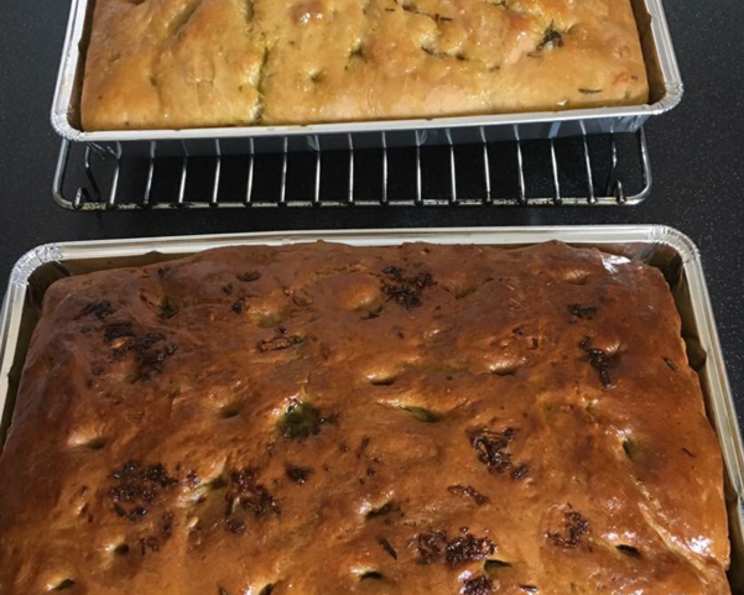
The Aromatic Embrace of Rosemary Focaccia
The scent of baking bread has always been my anchor, a comforting aroma that instantly transports me to simpler times. For me, nothing quite captures that feeling of warmth and home like a freshly baked focaccia, especially when it’s infused with the piney, evocative fragrance of rosemary. I recall a particular chilly autumn evening years ago when, after a long day, I decided to bake this very focaccia. The air in my kitchen filled with the intoxicating perfume of rosemary and yeast, a culinary balm that soothed the soul and promised a delicious reward. That first bite – a crisp crust yielding to a cloud-like interior, punctuated by bursts of fragrant rosemary – was pure magic. It’s a recipe that has since become a cherished staple, a testament to the power of simple ingredients transformed into something extraordinary.
Recipe Overview
- Prep Time: 2 hours 15 minutes (includes rising time)
- Cook Time: 15 minutes
- Total Time: 2 hours 30 minutes
- Servings: 8-10
- Yield: 2 loaves
- Dietary Type: Vegetarian
Ingredients
Here’s what you’ll need to create your own fragrant rosemary focaccia:
- 5 ½ cups unsifted bread flour (all-purpose flour can be used with good results)
- 1 (¼ ounce) package fast-rising yeast
- 2 tablespoons fresh rosemary, divided
- 1 ½ teaspoons salt
- 2 cups warm water (120°F – 130°F)
- 4 tablespoons olive oil, divided
- 1 teaspoon kosher salt or 1 teaspoon sea salt
Equipment Needed
- Large mixing bowl
- Wooden spoon
- Clean towels
- Floured surface (for kneading)
- Two large baking sheets (baking stones are excellent for this)
- Oven
Instructions
Creating this delightful focaccia is a straightforward process, yielding a bread that’s both rustic and refined. Follow these steps carefully for the best results:
- In a large mixing bowl, combine the unsifted bread flour, fast-rising yeast, 1 tablespoon of the fresh rosemary, and the 1 ½ teaspoons of salt. Give these dry ingredients a quick whisk to distribute the yeast evenly.
- With a wooden spoon, stir in the warm water and 3 tablespoons of the olive oil. Beat the mixture vigorously for 5 minutes. This might seem like a long time, but this energetic mixing is key to developing the gluten structure of the dough, which will give your focaccia its wonderfully chewy texture.
- Cover the bowl with a clean towel. Place the bowl in a warm place, away from drafts, and allow the dough to rise until doubled in size. This typically takes about 40 minutes. The warmth helps the yeast to activate and do its job, creating those airy pockets that make focaccia so irresistible.
- Once the dough has doubled, turn it onto a floured surface. Gently knead the dough for one minute. You don’t need to knead it extensively; a brief knead will smooth out the dough and make it easier to handle.
- Lightly oil two large baking sheets. If you have baking stones, they are ideal for focaccia as they conduct heat evenly, resulting in a beautifully crisp bottom crust.
- Divide the dough in half, placing one half on each prepared baking sheet.
- Press or roll out each half of the dough to a 10-inch round. Aim for an even thickness.
- Cover the rounds with clean towels and let them rise again until doubled in size. This second rise usually takes about 30 minutes. This is where the focaccia develops its characteristic airy, open crumb.
- While the dough is on its second rise, preheat your oven to 400°F. It’s important to have your oven at the correct temperature before the focaccia goes in.
- Once the rounds have doubled, it’s time to prepare them for baking. With your fingertips, make indentions all over the surface of each focaccia. These dimples not only add to the rustic charm but also help the oil and seasonings penetrate the dough.
- Brush each round with ½ tablespoon of the remaining olive oil. Ensure the oil gets into those indentions.
- Sprinkle the rounds with the remaining rosemary and the kosher salt or sea salt. The salt will provide a delightful crunch and savory contrast to the bread.
- Bake for 15 minutes, or until golden brown. Keep an eye on your focaccia towards the end of the baking time, as oven temperatures can vary. You’re looking for a beautiful golden hue on top and a firm, baked texture.
- Cut the focaccia in wedges and serve warm. The aroma alone will have everyone eager to dig in!
Expert Tips & Tricks
- Achieving the Perfect Rise: The “warm place” for rising doesn’t have to be complicated. You can turn on your oven for a minute or two, then turn it off, and place the covered bowl inside. The residual warmth is usually perfect.
- Flour Power: While bread flour provides the best structure for focaccia due to its higher protein content, all-purpose flour will certainly work if that’s what you have on hand. Don’t be afraid to experiment!
- Rosemary Intensity: For a more pronounced rosemary flavor, you can finely chop half of the rosemary and add it to the dough during the initial mixing stage, reserving the other half for sprinkling on top.
- The “Dimple” Technique: Don’t be shy with your fingertips when creating the indentions. Press down firmly, but not so much that you pierce the dough completely. This helps create those beautiful craters that hold pockets of olive oil.
- Baking Surface Matters: As mentioned, baking stones are fantastic. If you don’t have them, simply ensure your baking sheets are well-oiled to prevent sticking and promote an even bake.
Serving & Storage Suggestions
This rosemary focaccia is best enjoyed warm, straight from the oven. It’s wonderfully versatile and pairs beautifully with a variety of dishes. Serve it as an appetizer with a drizzle of balsamic glaze, alongside a hearty soup or salad, or simply with good quality olive oil for dipping.
Leftover focaccia can be stored at room temperature in an airtight container or bread bag for up to 2 days. To refresh it, you can lightly reheat it in a low oven (around 300°F) for a few minutes until warmed through and the crust has regained a bit of its crispness. You can also freeze slices or entire loaves, well-wrapped, for up to 2 months. Thaw at room temperature or reheat directly from frozen in a warm oven.
Nutritional Information
While precise nutritional information can vary based on specific ingredients and portion sizes, here’s an estimated breakdown for a serving of this delicious rosemary focaccia:
| Nutrient | Amount per Serving | % Daily Value |
|---|---|---|
| Calories | 375 kcal | 19% |
| Total Fat | 12.5 g | 16% |
| Saturated Fat | 1.5 g | 8% |
| Cholesterol | 0 mg | 0% |
| Sodium | 850 mg | 37% |
| Total Carbohydrate | 55 g | 20% |
| Dietary Fiber | 2.5 g | 9% |
| Sugars | 1 g | 1% |
| Protein | 8 g | 16% |
Note: This is an estimated nutritional value and can fluctuate.
Variations & Substitutions
The beauty of focaccia lies in its adaptability. Here are a few ideas to make it your own:
- Herbaceous Twists: Swap out some of the rosemary for other fresh herbs like thyme, oregano, or sage. A blend of herbs can create a wonderfully complex aroma.
- Savory Additions: Before baking, consider sprinkling your focaccia with olives (Kalamata are particularly good), cherry tomatoes, thinly sliced red onion, or even some crumbled feta cheese.
- Garlic Infusion: For a garlic kick, mince a clove or two of fresh garlic and mix it with the olive oil before brushing it onto the focaccia.
- Spicy Note: Add a pinch of red pepper flakes to the dough or sprinkle them on top with the rosemary for a subtle warmth.
FAQs
Q: Why is my focaccia dough so sticky?
A: Focaccia dough is meant to be a wetter dough than typical bread dough. The high hydration contributes to its soft, airy texture. As long as it’s manageable, a little stickiness is normal.
Q: Can I use dried rosemary instead of fresh?
A: Yes, you can. Use about 1 teaspoon of dried rosemary for every tablespoon of fresh rosemary. Rub the dried rosemary between your fingers before adding it to release its flavor.
Q: How do I know when the focaccia is done baking?
A: The focaccia should be a deep golden brown on top and the bottom should sound hollow when tapped. If you’re unsure, you can insert a thermometer into the center; it should read around 200-210°F.
Q: Can I make this focaccia in a stand mixer?
A: Absolutely! You can use the dough hook attachment on your stand mixer. Follow the instructions for combining ingredients and then mix on medium-low speed for about 5-7 minutes until the dough is elastic and smooth.
Q: My focaccia didn’t rise very much. What could have gone wrong?
A: Common culprits for poor rising include using expired yeast, water that was too hot (which kills the yeast), or a drafty, cold environment for rising. Ensure your yeast is fresh and your water is within the specified temperature range.
Final Thoughts
There’s a profound satisfaction that comes from pulling a perfectly baked rosemary focaccia from the oven. The aroma that fills your home is an invitation, a promise of simple, delicious pleasure. Whether served as a sophisticated starter or a humble accompaniment, this bread embodies the heart of good cooking: fresh ingredients, a little patience, and a whole lot of love. I encourage you to embrace the process, savor the scents, and share this beautiful bread with those you cherish. It’s a taste of sunshine, even on the cloudiest of days.