
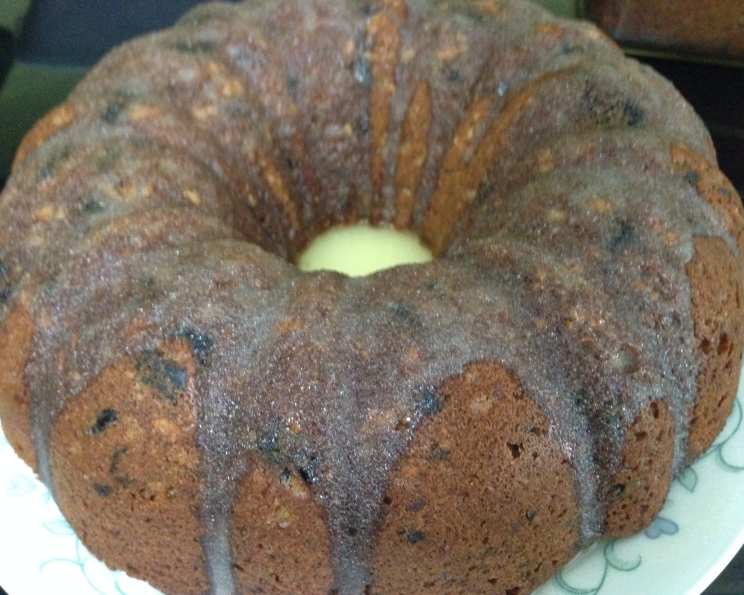
The Sunshine in Every Bite: A Beloved Orange Date Cake
There are some recipes that are more than just a collection of ingredients and steps; they are whispers from the past, tangible links to loved ones who have shaped our lives. This Orange Date Cake is one such treasure. It hails from my great, great aunt Elara, a woman whose kitchen was always filled with the scent of citrus and baking spices. I remember as a child, the anticipation of this cake appearing on special occasions – its warm, inviting aroma a promise of pure comfort. The way the simple syrup, infused with the bright zest and juice of oranges, would soak into the tender crumb was pure magic, a testament to how humble ingredients could yield something truly extraordinary.
Recipe Overview
- Prep Time: 15 minutes
- Cook Time: 40 minutes
- Total Time: 55 minutes
- Servings: 6-8
- Yield: 1 cake
- Dietary Type: Contains Dairy, Eggs, Wheat, Nuts
Ingredients
The beauty of this cake lies in its straightforward assembly and the harmonious blend of sweet dates, fragrant oranges, and crunchy walnuts. It’s a recipe that celebrates pantry staples and brings them together in a delightful symphony of flavors and textures.
- ½ cup margarine (or ½ cup butter)
- 2 cups sugar, divided
- 1 egg
- 2 cups flour
- 1 teaspoon baking soda
- 1 tablespoon water
- 2 oranges (for zest and juice)
- 1 cup milk
- ¼ teaspoon vinegar
- 1 cup dates, chopped
- 1 cup walnuts, chopped
Equipment Needed
To bring this delightful cake to life, you’ll want to have these essential kitchen tools on hand:
- Mixing bowls (at least two)
- Electric mixer or a sturdy whisk
- Measuring cups and spoons
- Zester or fine grater
- Citrus juicer
- A sturdy spatula or wooden spoon
- An angel food cake pan (with a tube in the center) or a springform pan (9 or 10-inch diameter)
- Oven
- Wire cooling rack
Instructions
The process for creating this Orange Date Cake is wonderfully unpretentious, making it accessible for bakers of all levels. Follow these steps carefully, and you’ll be rewarded with a cake that’s both rustic and elegant.
- Prepare the Wet and Dry Mixtures: Begin by creaming together ½ cup of margarine (or butter) and 1 cup of the sugar in a large mixing bowl until light and fluffy. Next, in a separate small bowl, dissolve 1 teaspoon of baking soda with 1 tablespoon of water. In another small container, combine 1 cup of milk with ¼ teaspoon of vinegar and let it sit for a few minutes; it will curdle slightly, creating a buttermilk-like effect.
- Incorporate the Egg and Orange Zest: Add 1 egg to the creamed butter and sugar mixture and beat until well combined. Finely zest the 2 oranges and add the zest to the batter, ensuring you get that fragrant orange oil from the peel.
- Combine Dry and Wet Ingredients: Gradually add 2 cups of flour to the wet ingredients, alternating with the milk/vinegar mixture. Mix until just combined, being careful not to overmix.
- Add the Baking Soda Mixture: Stir in the baking soda and water mixture. The batter may become slightly frothy; this is normal.
- Fold in the Goodies: Gently fold in the 1 cup of chopped dates and 1 cup of chopped walnuts into the batter. Distribute them evenly throughout.
- Prepare for Baking: Grease and flour your chosen pan – either an angel food cake pan or a springform pan. Pour the batter into the prepared pan, spreading it evenly.
- Bake the Cake: Place the cake into a preheated oven set to 350 degrees Fahrenheit (175 degrees Celsius). Bake for approximately 40 minutes, or until a wooden skewer or toothpick inserted into the center of the cake comes out clean.
- Prepare the Orange Syrup: While the cake is baking, prepare the enchanting orange syrup. Squeeze the juice from the 2 oranges. In a small saucepan or bowl, combine the fresh orange juice with the remaining 1 cup of sugar. Stir to dissolve the sugar.
- Saturate the Cake: As soon as the cake comes out of the oven, while it is still hot, generously pour the orange syrup mixture over the top of the cake. The heat of the cake will help the syrup absorb beautifully, creating a moist and flavorful glaze.
Expert Tips & Tricks
To elevate this already wonderful cake, consider these seasoned insights:
- Room Temperature Ingredients: Ensure your margarine/butter and egg are at room temperature before you start. This will help them cream together more effectively, leading to a lighter cake texture.
- Orange Zest is Key: Don’t skip the zest! It’s where the intense, bright orange perfume truly comes from. Use a microplane for the finest zest.
- Chopping the Dates: For the best distribution, chop your dates into small, manageable pieces. If they are a bit sticky, a light dusting of flour can help prevent them from clumping together in the batter.
- Toasting the Walnuts: For an extra layer of flavor and crunch, lightly toast the walnuts before chopping and adding them to the batter. Spread them on a baking sheet and toast in the oven for about 5-7 minutes at 350°F (175°C) until fragrant. Let them cool completely before chopping.
- Pan Choice Matters: An angel food cake pan with its central tube is ideal because it promotes even baking throughout the dense batter. If using a springform pan, ensure it’s well-greased and floured, and consider placing a baking sheet beneath it in the oven to catch any potential drips from the syrup.
Serving & Storage Suggestions
This Orange Date Cake is a delightful treat on its own, perfect for an afternoon tea or as a comforting dessert after a meal. It’s wonderfully moist, so it doesn’t require much fuss.
- Serving: Allow the cake to cool slightly after pouring the syrup. You can serve it warm or at room temperature. A dollop of lightly sweetened whipped cream or a scoop of vanilla bean ice cream is a classic accompaniment that complements the cake’s sweetness beautifully.
- Storage: Store any leftover cake in an airtight container. At room temperature, it should stay fresh for 2–3 days. For longer storage, keep it refrigerated. The cake can be enjoyed directly from the refrigerator, or gently warmed in a low oven or microwave for a few seconds. It can also be frozen for up to 2 months, wrapped tightly in plastic wrap and then in foil. Thaw overnight in the refrigerator.
Nutritional Information
Here’s an approximate nutritional breakdown for a serving of this delightful Orange Date Cake:
| Nutrient | Amount per Serving | % Daily Value |
|---|---|---|
| Calories | 814.9 kcal | |
| Calories from Fat | 276 | |
| Total Fat | 30.7 g | 47 % |
| Saturated Fat | 5.1 g | 25 % |
| Cholesterol | 40.9 mg | 13 % |
| Sodium | 420.5 mg | 17 % |
| Total Carbohydrate | 130.6 g | 43 % |
| Dietary Fiber | 5.8 g | 23 % |
| Sugars | 90.2 g | 360 % |
| Protein | 11 g | 21 % |
Note: Nutritional values are estimates and can vary based on specific ingredients used and portion sizes.
Variations & Substitutions
While this recipe is a classic for a reason, here are a few ideas to make it your own:
- Nut-Free Option: If you need to omit the nuts, simply leave them out. The cake will still be delicious, though it will lack that delightful crunch.
- Spice it Up: For a touch more warmth, consider adding ½ teaspoon of cinnamon and ¼ teaspoon of nutmeg to the dry ingredients.
- Citrus Twist: Experiment with other citrus fruits. A blend of orange and lemon zest, or even a few tablespoons of grapefruit juice in the syrup, can offer a lovely variation.
- Date Alternatives: If dates are unavailable, you could try using chopped dried figs or apricots, though the flavor profile will change.
FAQs (Frequently Asked Questions)
Q: Can I make this cake gluten-free?
A: While this recipe is designed for traditional flour, you could attempt a gluten-free version by using a good quality all-purpose gluten-free flour blend. Be aware that the texture might vary slightly.
Q: Why does the recipe call for vinegar in the milk?
A: Adding vinegar to milk creates a quick “buttermilk” substitute. This acidity reacts with the leavening agents, contributing to a more tender and moist cake crumb.
Q: My cake seems a bit dense. What could have gone wrong?
A: Overmixing the batter after adding the flour is a common culprit for a dense cake. Ensure you mix only until the ingredients are just combined. Also, ensure your baking soda is fresh.
Q: How much orange zest should I use?
A: Aim for the zest of the entire peel of two medium oranges, being careful to only zest the colored part and avoid the bitter white pith underneath.
Q: Can I use oil instead of margarine or butter?
A: While oil can work in some cakes, this recipe relies on the creaming method with fat, which contributes to its specific texture. For best results, stick to margarine or butter.
Final Thoughts
This Orange Date Cake is more than just a dessert; it’s an experience. It’s the taste of comfort, the warmth of family traditions, and the simple joy of creating something delicious from scratch. I encourage you to bake it for your loved ones, to share it during gatherings, or simply to enjoy a quiet moment of indulgence. As you savor each moist, flavorful bite, I hope you feel a connection to the heritage of this recipe and the love that went into its creation. Gather your ingredients, embrace the process, and let the sunshine of this Orange Date Cake brighten your day.