
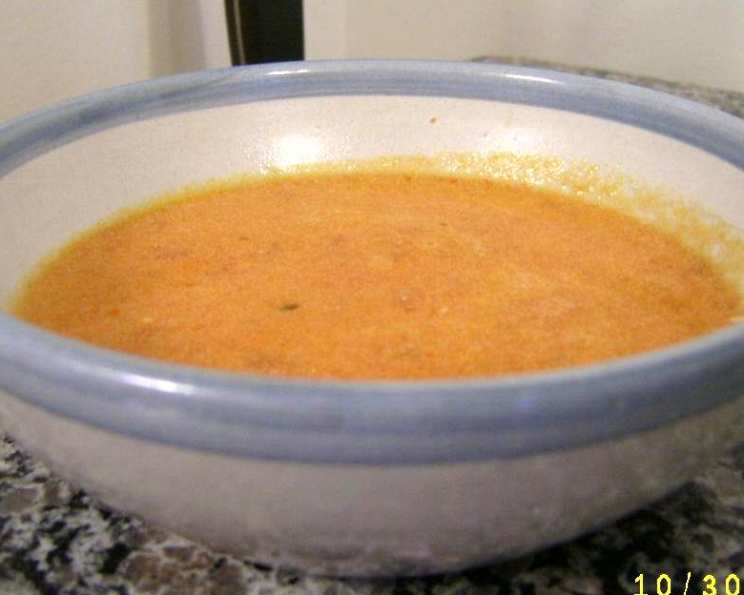
Restaurant-Style Cream of Tomato Soup: A Silky Dream in a Bowl
There are certain dishes that transport you back in time, conjuring vivid memories with every spoonful. For me, restaurant-style cream of tomato soup is one of those magical culinary portals. I remember a particular chilly evening, seeking refuge from a blustery wind in a cozy, dimly lit eatery downtown. The scent of simmering tomatoes and a hint of richness hung in the air, promising comfort. When the soup arrived, it was a revelation – impossibly smooth, deeply flavorful, and a vibrant crimson that glowed against the white ceramic bowl. It was more than just soup; it was an embrace, a warm hug from the inside out. That experience ignited a quest to recreate that velvety perfection at home, a journey that has led to this deeply satisfying recipe.
Recipe Overview
- Prep Time: 15 minutes
- Cook Time: 1 hour
- Total Time: 1 hour 15 minutes
- Servings: 4
- Yield: Approximately 6 cups
- Dietary Type: Vegetarian (can be adapted)
Ingredients
Gather these essentials to create your silken tomato masterpiece:
- 32 ounces canned diced tomatoes (It’s crucial to choose tomatoes with no added seasonings beyond salt. This allows us to control the flavor profile precisely.)
- 14 ounces chicken broth, undiluted (While chicken broth adds depth, vegetable broth can be used for a vegetarian version.)
- 2 tablespoons butter (Unsalted is preferred to better manage salt levels.)
- 2 tablespoons sugar (A small amount balances the acidity of the tomatoes. Splenda can be substituted if you prefer a sugar-free option.)
- 1 tablespoon chopped onion (Finely minced to integrate seamlessly into the soup.)
- 1 pinch baking soda (This is the secret ingredient for achieving that luxurious, creamy texture without curdling.)
- 2 cups cream (Heavy cream will yield the richest, most decadent result.)
Equipment Needed
You won’t need a pantry full of specialized gadgets for this comforting soup, but a few key tools will ensure success:
- A large, heavy-bottomed pot or Dutch oven for simmering
- A smaller saucepan for heating the cream
- A whisk
- A ladle for serving
Instructions
Embarking on the creation of this restaurant-quality soup is straightforward, but each step plays a vital role in achieving that signature smooth texture and deep flavor.
- Begin by combining the canned diced tomatoes (along with their juices), chicken broth, butter, sugar (or its substitute), and chopped onion in your large, heavy-bottomed pot or Dutch oven.
- Place the pot over medium heat and bring the mixture to a gentle simmer. Once simmering, reduce the heat to low, cover the pot, and allow the soup to simmer for 1 hour. This extended simmering time is essential for allowing the flavors to meld and deepen beautifully. Stir occasionally to prevent any sticking.
- About 15 minutes before the soup has finished simmering, begin preparing the cream. In a separate, smaller saucepan, gently heat the cream over low heat. The key here is to ensure the cream is well-heated, but do not let it boil. A double boiler can be helpful for very gentle heating, but direct low heat is also effective if monitored closely. The reason for this careful heating is critical: adding cold or lukewarm cream to the hot soup can cause it to curdle, affecting the beautiful appearance of the soup, though thankfully, not the underlying flavor.
- As the cream is reaching its ideal temperature, it’s time to incorporate the magic ingredient into the simmering tomato mixture. Add the baking soda to the soup. Stir it in gently. You might notice a slight fizzing reaction; this is normal and is the baking soda reacting with the tomatoes to create a smoother emulsion.
- Once the cream is thoroughly heated and the baking soda has been added to the soup, carefully add the hot cream to the soup. Stir gently until it is fully incorporated. The soup should now have a beautiful, velvety consistency and a rich, creamy hue.
- Ladle the finished soup into bowls. Serve immediately to enjoy its warmth and exquisite texture.
Expert Tips & Tricks
To elevate your homemade cream of tomato soup from good to truly exceptional, consider these professional insights:
- Tomato Quality: While canned diced tomatoes are specified for consistency and ease, if you have access to high-quality, ripe fresh tomatoes, you can certainly use them. Roast them first to intensify their flavor before pureeing.
- Smoothness is Key: For an ultra-smooth soup, you can, if desired, puree the soup in a blender (working in batches, being careful with hot liquids) or use an immersion blender before adding the cream. This is an optional step for those who crave an even more refined texture, but the baking soda trick already does a remarkable job of smoothing.
- Balancing Acidity: The sugar is important, but taste and adjust. If your tomatoes are particularly tart, you might want a tiny bit more sugar. Conversely, if they are very sweet, you might need less.
- Cream Consistency: Ensure your cream is truly hot, not just warm. This is the most crucial step to prevent curdling and achieve that silken finish.
- Garnishes Galore: Elevate your presentation with a drizzle of extra cream, a swirl of pesto, a scattering of fresh basil leaves, or some crunchy croutons. A sprinkle of grated Parmesan cheese is also a delightful addition.
Serving & Storage Suggestions
This restaurant-style cream of tomato soup is best served piping hot, straight from the pot. It’s a perfect starter or a light, comforting meal in itself.
- Serving: Ladle generously into warmed bowls. Garnish with fresh basil, a swirl of cream, or a sprinkle of your favorite herbs. It pairs wonderfully with grilled cheese sandwiches for a classic lunch combination.
- Storage: Leftovers can be stored in an airtight container in the refrigerator for up to 3 days.
- Reheating: Gently reheat the soup on the stovetop over low heat, stirring frequently. Avoid boiling, as this can affect the texture. If the soup seems a bit thick after refrigeration, you can stir in a tablespoon or two of milk or cream while reheating. Freezing is not recommended for cream-based soups as the texture can change significantly upon thawing.
Nutritional Information
Here’s an estimated breakdown of the nutritional content per serving. Please note that these values are approximate and can vary based on specific ingredient choices.
| Nutrient | Amount per Serving | % Daily Value |
|---|---|---|
| Calories | 483.1 kcal | |
| Calories from Fat | 82% | |
| Total Fat | 43.8 g | 67% |
| Saturated Fat | 27 g | 134% |
| Cholesterol | 147.9 mg | 49% |
| Sodium | 445.4 mg | 18% |
| Total Carbohydrate | 19.3 g | 6% |
| Dietary Fiber | 2.8 g | 11% |
| Sugars | 12.8 g | 51% |
| Protein | 6.8 g | 13% |
Variations & Substitutions
While this recipe is a masterpiece in its own right, feel free to explore these variations:
- Vegetarian/Vegan: Substitute vegetable broth for chicken broth. For a vegan version, use a high-quality vegan butter and replace the heavy cream with full-fat coconut milk (the canned variety) or a commercial vegan heavy cream alternative. Ensure the baking soda is added to the tomato mixture before the heated vegan cream to prevent curdling.
- Spicy Kick: Add a pinch of red pepper flakes along with the onions for a subtle warmth, or stir in a tablespoon of sriracha at the end of cooking for a bolder heat.
- Herbaceous Notes: Infuse the soup with flavor by adding a sprig of fresh thyme or rosemary to the pot while it simmers, removing it before serving.
- Roasted Garlic: Roast a head of garlic until soft and caramelized, then blend it into the soup along with the tomatoes for an extra layer of sweet, savory depth.
FAQs
Q: Why is baking soda included in a cream soup recipe?
A: Baking soda reacts with the acidity in tomatoes, helping to break down their structure and creating a smoother, silkier texture. It also neutralizes some of the acidity, making the soup taste richer and less tart.
Q: What kind of canned tomatoes should I use?
A: The recipe specifies “canned diced tomatoes” with no added seasonings other than salt. This ensures you have full control over the final flavor profile, preventing unwanted herbs or spices from interfering.
Q: Can I use fresh tomatoes instead of canned?
A: Yes, you can! For the best flavor, use ripe, in-season tomatoes. You’ll need to roast them first to deepen their flavor, then puree them before proceeding with the recipe.
Q: My soup looks a little oily after adding the cream. What went wrong?
A: This is usually a sign that the cream wasn’t heated sufficiently before being added to the hot soup, or that the soup itself was simmering too vigorously when the cream was incorporated. Ensuring both components are hot and then combining them gently over low heat is key.
Q: How can I make this soup thicker?
A: While this recipe is designed to be lusciously creamy, if you prefer an even thicker consistency, you can simmer the soup uncovered for an additional 15-20 minutes after adding the cream to allow some of the liquid to evaporate. Alternatively, you could create a slurry of a teaspoon of cornstarch mixed with a tablespoon of cold water and stir it into the simmering soup until thickened.
Final Thoughts
This restaurant-style cream of tomato soup is more than just a recipe; it’s an invitation to experience comfort and culinary elegance in your own kitchen. The simplicity of the ingredients belies the sophisticated flavor and luxurious texture it yields. So, gather your ingredients, take your time with each step, and prepare to be delighted. Serve it alongside a crisp green salad or a perfect grilled cheese sandwich, and savor the moment. I’d love to hear about your experience creating and enjoying this velvety delight – perhaps you’ve discovered your own perfect garnishes or pairings!