
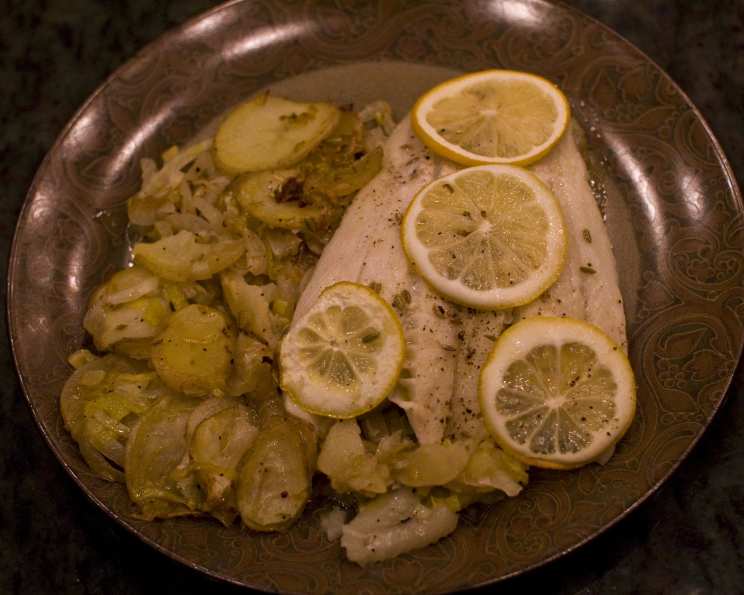
Roasted Halibut with Fennel & Potatoes: A Symphony of Subtle Flavors
There are some dishes that, upon first encounter, feel like a warm embrace from a seasoned friend. This roasted halibut, nestled amongst tender fennel and earthy potatoes, is precisely that for me. I recall a crisp autumn evening, the kind that begs for something comforting yet elegant, when I first prepared this for a small gathering. The aroma that wafted from the oven was intoxicating – not aggressively so, but a delicate perfume of the sea meeting the garden. It was a revelation that the subtle anise notes of fennel, amplified by a whisper of Pernod and crushed fennel seed, could be so beautifully balanced, creating a harmonious counterpoint to the flaky, pristine halibut. This dish, I discovered, is a testament to the power of restraint and the beauty of simple, high-quality ingredients treated with respect.
Recipe Overview
- Prep Time: 20 minutes
- Cook Time: 35-42 minutes
- Total Time: 55-62 minutes
- Servings: 4
- Yield: 4 servings
- Dietary Type: Gluten-Free, Dairy-Free
Ingredients
Here’s what you’ll need to create this delightful dish:
- 1 large leek, trimmed of roots and tough green tops, dark outer leaves discarded
- 1 lb Yukon Gold potatoes, unpeeled, thinly sliced
- 1 medium fennel bulb, cored and thinly sliced (or 4 stalks celery, thinly sliced, as an alternative)
- 1 tablespoon olive oil
- 1 teaspoon olive oil
- Salt and freshly ground black pepper (to taste)
- 1 ½ lbs halibut, cut into 4 equal pieces
- 2 tablespoons Pernod (anisette liquor) or 2 tablespoons white wine
- 1 teaspoon fennel seed, slightly crushed
- 1 lemon, thinly sliced
- Fennel leaves (optional, for garnish)
Equipment Needed
- Oven
- Large roasting pan or 13″x9″ glass baking dish
- Sharp knife
- Cutting board
- Measuring spoons
- Measuring cups
- Colander
- Tongs or large spoon for tossing vegetables
Instructions
Follow these steps to bring this elegant dish to your table:
- Preheat your oven to a robust 425°F (220°C). This high heat is crucial for achieving beautifully tender vegetables and perfectly flaky fish.
- Prepare the leek: Trim off the roots and the very dark green, tough tops. Remove any bruised or discolored outer leaves. Thinly slice the remaining leek.
- Rinse the leek thoroughly. Place the sliced leek in a bowl of cold water and gently swish it around to dislodge any hidden sand or grit. Carefully lift the leek with your hands and transfer it to a colander to drain thoroughly. This step is vital to avoid any gritty textures in your finished dish.
- Prepare your baking dish. Lightly spray a 13″x9″ glass baking dish with nonstick cooking spray. This will help prevent sticking and ensure easy serving.
- Assemble the vegetable base: Add the drained leek, thinly sliced Yukon Gold potatoes, thinly sliced fennel bulb (or celery), slightly crushed fennel seed, 1 tablespoon of olive oil, ½ teaspoon of salt, and ¼ teaspoon of black pepper to the prepared baking dish.
- Toss the vegetables gently with your hands or a large spoon to ensure they are evenly coated with the oil and seasonings. Spread them out in a single layer across the bottom of the dish.
- Roast the vegetables for 35 minutes, or until they are tender when pierced with a fork. About halfway through this roasting time, give the vegetables a good stir to ensure even cooking and browning.
- Remove the baking dish from the oven. Carefully place the halibut pieces on top of the roasted vegetables.
- Drizzle the Pernod (or white wine) over the halibut. Then, drizzle the remaining 1 teaspoon of olive oil over the fish as well.
- Sprinkle the top of the halibut with a little more fennel seed (about ½ teaspoon if you have it, or just use the remaining from the crushed teaspoon), ¼ teaspoon of salt, and ⅛ teaspoon of black pepper.
- Arrange the thin lemon slices evenly over the halibut pieces.
- Return the baking dish to the oven. Continue to roast for an additional 10-12 minutes, or just until the halibut turns opaque in the center and flakes easily with a fork. Be careful not to overcook the delicate fish.
- To serve, sprinkle with fresh fennel fronds, if you are using them, for a touch of freshness and visual appeal.
Expert Tips & Tricks
For that extra touch of culinary finesse, consider these suggestions:
- Uniform Slicing: When slicing your potatoes and fennel, aim for consistent thickness. This ensures they cook at the same rate, leading to a more evenly tender vegetable bed. A mandoline can be a helpful tool here for achieving perfect uniformity.
- Leek Prep is Key: Don’t skip the thorough rinsing of the leeks. Sand can easily hide between the layers, and a gritty leek will detract from the overall enjoyment of the dish.
- Fennel Seed Toasting (Optional): For an even more intense aroma, you can lightly toast the fennel seeds in a dry skillet over medium heat for about 1-2 minutes until fragrant before crushing them. Let them cool completely before crushing.
- Halibut Quality Matters: Opt for the freshest halibut you can find. The flavor of the fish is a star player here, so using a high-quality piece will elevate the entire dish. Look for firm, moist flesh with a clean ocean scent.
- Doneness Test: The best way to check the halibut for doneness is to gently press it with a fork. It should flake easily. If it still looks translucent or feels firm, give it another minute or two in the oven, but watch it closely to prevent drying out.
- Pernod vs. White Wine: While Pernod adds a distinct, albeit subtle, anise note, a good quality dry white wine like Sauvignon Blanc or Pinot Grigio will offer a brighter, more acidic counterpoint. Choose based on your preference and what you have on hand.
Serving & Storage Suggestions
This Roasted Halibut with Fennel & Potatoes is best served immediately, while the fish is perfectly flaky and the vegetables are tender and warm. Arrange a generous portion of the roasted vegetables on each plate, topped with a beautiful piece of halibut. The vibrant fennel fronds, if used, add a lovely touch of green and a hint of fresh anise aroma.
Leftovers can be stored in an airtight container in the refrigerator for up to 2 days. The flavors often meld and deepen slightly overnight, making it still quite enjoyable. To reheat, gently warm the halibut and vegetables in a low oven (around 300°F/150°C) or on the stovetop over low heat, being careful not to overcook the fish. Avoid microwaving if possible, as it can make the fish rubbery.
Nutritional Information
Here’s an estimated breakdown of the nutritional content per serving:
| Nutrient | Amount per Serving | % Daily Value |
|---|---|---|
| Calories | 365 kcal | 18% |
| Total Fat | 9 g | 12% |
| Saturated Fat | 1 g | 5% |
| Cholesterol | 55 mg | 18% |
| Sodium | 133 mg | 6% |
| Total Carbohydrate | 33 g | 11% |
| Dietary Fiber | 6 g | 21% |
| Sugars | 2 g | 2% |
| Protein | 39 g | 78% |
Note: Nutritional values are estimates and can vary based on specific ingredients and portion sizes.
Variations & Substitutions
While this recipe is wonderfully balanced as is, here are a few ideas for customization:
- Different Fish: If halibut isn’t available or you prefer another white fish, cod, sea bass, or even a firm-fleshed salmon would work well. Adjust cooking times as needed based on the thickness of the fillets.
- Add a Kick: For a touch of heat, finely mince a small jalapeño or a pinch of red pepper flakes and add it to the vegetables before roasting.
- Herbaceous Notes: Experiment with other fresh herbs like thyme or rosemary, which pair beautifully with both fennel and potatoes. Add them along with the vegetables.
- Citrus Zest: For an extra layer of brightness, add the zest of half a lemon to the vegetables before roasting.
FAQs
Q: Why is the fennel flavor so subtle if there are fennel ingredients?
A: The roasting process mellows the anise flavor of the fresh fennel, and the Pernod or white wine adds a nuanced layer rather than an overpowering punch. The crushed fennel seed contributes a gentle aroma that complements rather than dominates.
Q: Can I use dried fennel instead of fresh fennel bulbs?
A: Dried fennel seeds are included for aroma, but this recipe relies on the fresh fennel bulb for its tender texture and mild, sweet flavor. It’s best to use fresh fennel for the best results.
Q: What kind of potatoes work best?
A: Yukon Gold potatoes are ideal because they have a creamy texture and hold their shape well when roasted. Waxy potatoes like red or new potatoes would also be suitable.
Q: Is it possible to make this dish ahead of time?
A: While the vegetables can be roasted ahead of time and gently reheated, it’s best to add the halibut and finish the cooking just before serving to ensure the fish is perfectly cooked and flaky.
Q: What can I serve with this roasted halibut?
A: This dish is quite complete on its own, but a simple green salad with a light vinaigrette or some crusty bread to soak up any pan juices would be excellent accompaniments.
Final Thoughts
This Roasted Halibut with Fennel & Potatoes is a dish that speaks of mindful cooking and the joy of simple, well-executed flavors. It’s proof that elegance doesn’t require complexity, and that a few thoughtfully chosen ingredients can create something truly memorable. I encourage you to try this recipe, to experience the delicate balance of flavors and textures, and to perhaps create your own cherished memories around this beautiful meal. I find it pairs wonderfully with a crisp, dry white wine, such as a Sancerre or a unoaked Chardonnay. Enjoy the process, savor each bite, and don’t hesitate to share your culinary adventures with me.