
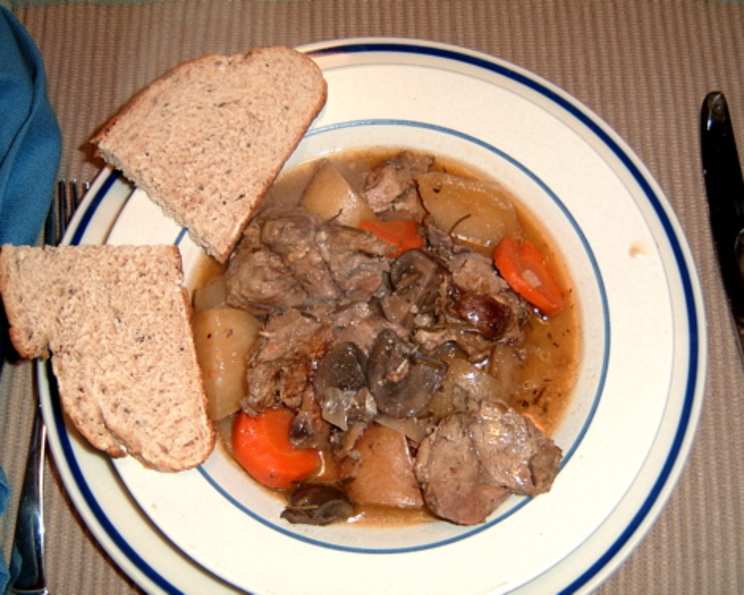
The Hearty Embrace of Rosemary Lamb Stew
There’s something profoundly comforting about a stew that has simmered low and slow, its aromas weaving through the house like a warm embrace. For me, rosemary lamb stew is more than just a meal; it’s a memory. I recall a blustery autumn afternoon years ago, visiting my grandmother in her country cottage. The air was crisp, the scent of woodsmoke hung heavy, and as I stepped inside, I was met with the most intoxicating fragrance – tender lamb, earthy herbs, and a hint of rich wine. She was stirring a pot that promised pure, unadulterated comfort, and that dish, with its robust rosemary notes and fall-apart lamb, has been a benchmark of cozy cooking for me ever since. This recipe captures that very essence, a simple yet elegant preparation that speaks of home and hearth.
Recipe Overview
- Prep Time: 15 minutes
- Cook Time: 1 hour 15 minutes
- Total Time: 1 hour 30 minutes
- Servings: 6
- Yield: A generous pot of stew
- Dietary Type: Not specified
Ingredients
This stew is built on simple, quality ingredients that come together to create something truly special.
- 1/2 lb lamb stew meat, cut into bite-sized pieces
- 1 large potato, peeled and cubed
- 1/2 onion, chopped
- 1/4 cup all-purpose flour
- 3 cups hot chicken broth
- 2 tablespoons olive oil
- 2 stalks celery, finely chopped, plus some reserved celery leaves for garnish (optional)
- 4-6 mushrooms, sliced (optional, but highly recommended for added depth)
- 2 teaspoons fresh rosemary, finely chopped
- 1/2 teaspoon fresh thyme, finely chopped
- 1/4 teaspoon dried oregano
- 1/4 teaspoon dried sage
- 1/8 teaspoon sea salt, or to taste
- 1/8 teaspoon black pepper, or to taste
- 1/2 teaspoon paprika
- 1/2 teaspoon Worcestershire sauce
- 2 tablespoons red wine (optional, but adds a wonderful richness)
Equipment Needed
- A large, heavy-bottomed pot or Dutch oven
- A sharp knife and cutting board
- A measuring cup and spoons
- A whisk (optional, but helpful for deglazing)
Instructions
The beauty of this stew lies in its straightforward preparation. The key is allowing ample time for the flavors to meld and the lamb to become incredibly tender.
- Begin by heating one tablespoon of olive oil in your cooking pot over medium heat.
- Add the chopped onion, chopped celery, and sliced mushrooms (if using). Sauté these aromatics until they are softened and most of the liquid they release has been absorbed, which should take about 5-7 minutes. Once softened, remove the vegetables from the pot and set them aside.
- Add the remaining tablespoon of olive oil to the same pot. Increase the heat slightly to medium-high and add the lamb stew meat. Sear the lamb on all sides until it is nicely browned. This browning process is crucial for developing deep flavor.
- Once the lamb is browned, sprinkle the flour and paprika evenly over the meat. Cook for a few minutes, stirring constantly, until the flour is lightly browned. This step helps to thicken the stew and adds a toasted flavor.
- Gradually add the hot chicken broth to the pot, stirring continuously. As you add the broth, use a whisk or a spoon to scrape up any browned bits stuck to the bottom of the pot. These bits are packed with flavor!
- Return the sautéed vegetables (onion, celery, and mushrooms) to the pot. Now, add the cubed potato, chopped fresh rosemary, chopped fresh thyme, dried oregano, dried sage, sea salt, black pepper, Worcestershire sauce, and red wine (if using).
- Stir everything together to combine, and bring the stew to a boil.
- Once boiling, reduce the heat to medium-low, cover the pot, and let the stew simmer gently for about 1 hour, or until the lamb is fork-tender and the potatoes are cooked through. Stir occasionally to prevent sticking.
Expert Tips & Tricks
- Quality Lamb is Key: Opt for lamb shoulder or leg cuts specifically labeled for stewing. They have enough marbling to become wonderfully tender during the long simmer.
- Don’t Rush the Browning: Properly browning the lamb in batches, if necessary, ensures a richer flavor base for your stew. Overcrowding the pot will steam the meat instead of searing it.
- Fresh Herbs Make a Difference: While dried herbs are used in this recipe, if you have fresh rosemary and thyme on hand, they will elevate the aroma and flavor significantly. Add them towards the end of cooking for their most vibrant taste.
- The Power of Deglazing: Those browned bits at the bottom of the pot are pure gold! Don’t skip the step of scraping them up with the broth. They add an incredible depth of flavor to the final stew.
- Thickening Control: If you prefer a thicker stew, you can mix an additional tablespoon of flour with a few tablespoons of cold water to create a slurry, then stir it into the simmering stew during the last 15-20 minutes of cooking.
Serving & Storage Suggestions
This Rosemary Lamb Stew is best served piping hot, ideally in rustic bowls. A sprinkle of fresh parsley or a few reserved finely chopped celery leaves adds a lovely touch of color and freshness. It’s hearty enough to stand on its own, but it also pairs beautifully with crusty bread for soaking up every last drop of the savory broth.
Leftovers can be stored in an airtight container in the refrigerator for up to 3 days. The flavors often deepen and improve overnight, making leftovers a treat. To reheat, gently warm the stew on the stovetop over low heat, stirring occasionally, or microwave individual portions.
Nutritional Information
Here’s an approximate nutritional breakdown for this hearty stew.
| Nutrient | Amount per Serving | % Daily Value |
|---|---|---|
| Calories | 217 kcal | |
| Calories from Fat | ||
| Total Fat | 8.7 g | 13% |
| Saturated Fat | 2 g | 10% |
| Cholesterol | 40.8 mg | 13% |
| Sodium | 482.5 mg | 20% |
| Total Carbohydrate | 16.8 g | 5% |
| Dietary Fiber | 2 g | 7% |
| Sugars | 1.6 g | 6% |
| Protein | 17.2 g | 34% |
Note: Nutritional values are estimates and can vary based on specific ingredients and portion sizes.
Variations & Substitutions
While this recipe is wonderful as is, feel free to adapt it to your preferences:
- Heartier Vegetables: Add diced carrots along with the potatoes for an extra layer of sweetness and texture. Peas, parsnips, or turnips can also be great additions.
- Root Vegetable Base: For a richer, earthier flavor profile, consider swapping some of the potato for parsnips or sweet potatoes.
- Herb Garden Delight: Feel free to experiment with other complementary herbs like a pinch of marjoram or a sprig of fresh rosemary added during the last 30 minutes of simmering.
- Gluten-Free Option: For a gluten-free stew, simply omit the flour and use a cornstarch slurry (1 tablespoon cornstarch mixed with 2 tablespoons cold water) at the end of cooking to thicken the stew.
FAQs
Q: Can I use different cuts of lamb for this stew?
A: While stew meat is ideal, you can also use diced lamb shoulder or leg. Avoid very lean cuts, as they can become dry.
Q: How can I make the lamb even more tender?
A: Ensure the stew simmers gently and is covered. Cooking time can be extended if necessary, up to 1.5 hours, to achieve ultimate tenderness.
Q: My stew isn’t thick enough. What can I do?
A: You can thicken it by making a slurry of 1-2 tablespoons of cornstarch or flour with a little cold water, then stirring it into the simmering stew during the last 15-20 minutes of cooking.
Q: Can I make this stew ahead of time?
A: Absolutely! Stews often taste even better the next day as the flavors have more time to meld. Reheat gently on the stovetop.
Q: What kind of pot is best for making this stew?
A: A heavy-bottomed pot, such as a Dutch oven, is ideal as it distributes heat evenly and helps prevent sticking, ensuring a consistent simmer.
Final Thoughts
This Rosemary Lamb Stew is a testament to the power of simple, wholesome ingredients allowed to slow-cook and mingle. It’s the kind of dish that nourishes the body and soul, perfect for a chilly evening or a comforting Sunday dinner. Gather your ingredients, embrace the process, and let the rich aromas fill your kitchen. I encourage you to try this recipe and make it your own, perhaps sharing it with loved ones around a crackling fire. It pairs wonderfully with a robust red wine or a crisp ale, and the lingering warmth it provides is truly unparalleled. Enjoy every savory spoonful.