
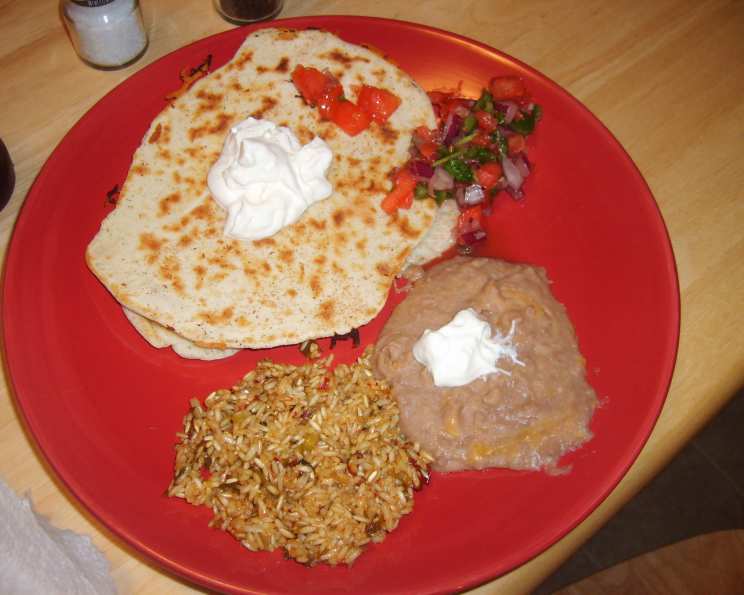
Real Refried Beans: The Soul of Mexican Cooking
There are certain dishes that, when prepared with care and intention, transport you instantly. For me, that dish is a truly authentic bowl of refried beans. I remember my abuela, her hands dusted with flour and the comforting aroma of simmering spices clinging to her apron, carefully mashing beans over a low flame. It wasn’t just food; it was a ritual, a testament to patience and the simple magic of transforming humble ingredients into something profoundly satisfying. These aren’t the bland, canned versions; these are beans with depth, with character, a culinary hug that’s an absolute must with any Mexican meal.
Recipe Overview
- Prep Time: Overnight (for soaking) + 15 minutes
- Cook Time: 2 hours 30 minutes
- Total Time: 2 hours 45 minutes (plus soaking time)
- Servings: 4
- Yield: Approximately 4 cups
- Dietary Type: Vegan, Gluten-Free, Dairy-Free
Ingredients
To achieve that quintessential texture and flavor, we’ll need just a few quality ingredients:
- 1 ½ cups dried pinto beans
- 2 onions, divided: 1 quartered and 1 finely chopped
- 2 bay leaves, divided: 1 whole and 1 finely chopped
- 1 fresh thyme sprig
- 1 dried red chili, such as an ancho (optional, for a subtle warmth)
- 3 tablespoons olive oil
- 2 teaspoons ground cumin
Equipment Needed
- Large pot or Dutch oven
- Colander
- Food processor or blender
- Heavy-bottomed skillet
Instructions
The journey to perfect refried beans begins with the humble dried bean and a commitment to a little patience. This isn’t a dish you can rush, but the rewards are immeasurable.
- Soak the Beans: Begin by soaking the dried pinto beans overnight. This crucial step ensures they cook evenly and become wonderfully tender. After soaking, drain them thoroughly.
- Simmer to Tenderness: Place the soaked and drained pinto beans into a large pot or Dutch oven. Add the quartered onion, the whole bay leaf, the fresh thyme sprig, and the dried red chili (if using). Pour in enough cold water to generously cover the beans by at least two inches. Bring the mixture to a rolling boil over medium-high heat. Once boiling, reduce the heat to low, cover the pot, and let the beans simmer gently for approximately 2 hours, or until they are exceptionally tender. You should be able to easily mash one between your fingers.
- Prepare for Pureeing: Once the beans are perfectly tender, drain them, but be sure to reserve the cooking liquid. You’ll need this flavorful liquid to achieve the right consistency. Discard the quartered onion, the whole bay leaf, the thyme sprig, and the dried chili.
- Coarse Blend: Into a food processor or blender, place about two-thirds of the cooked beans. Add enough of the reserved cooking liquid to help with the blending process. Process until the beans are coarsely blended. You want some texture, not a completely smooth paste. Set the pureed beans aside.
- Build the Flavor Base: Heat the olive oil in a heavy-bottomed skillet over medium heat. Add the finely chopped onion and the chopped bay leaf. Cook, stirring occasionally, for about 10 minutes, or until the onion is soft and golden. This slow caramelization is key to unlocking deep flavor.
- Bloom the Spices: Add the ground cumin to the skillet and cook, stirring constantly, for another 2 minutes. This allows the cumin to bloom and release its fragrant oils, intensifying its aroma and flavor.
- Combine and Thicken: Stir the pureed beans and the remaining whole cooked beans into the skillet with the sautéed onions and spices. Cook, stirring constantly, over medium heat. Continue to cook until the liquid reduces and the mixture thickens to your desired consistency. This usually takes about 10–15 minutes.
- Serve Immediately: These real refried beans are best served immediately while they are warm and creamy.
Expert Tips & Tricks
- The Magic of the Bean Liquid: Don’t underestimate the importance of the reserved bean cooking liquid. It’s not just water; it’s infused with the natural starches and flavors of the pinto beans, contributing significantly to the final creamy texture and depth of flavor. If you find your beans are too thick, a splash more of this liquid can work wonders.
- Achieving the Perfect Texture: The food processor is your friend here. For a truly authentic texture, aim for a coarse blend. Some beans should still be discernible, providing a pleasing contrast to the creamier portion. Avoid over-processing into a smooth paste unless that’s your personal preference.
- Low and Slow for Onions: When sautéing the chopped onion, be patient. Allowing it to soften and turn golden over medium heat, rather than high heat, brings out its natural sweetness and creates a much richer flavor base for the beans.
Serving & Storage Suggestions
These authentic refried beans are incredibly versatile. They are an absolute must as a side dish for any Mexican entrée, from tacos and enchiladas to burritos and fajitas. For an easy appetizer, serve them warm in a bowl, topped with a sprinkle of crumbled cotija cheese (if not strictly vegan) or fresh cilantro, alongside a basket of warm tortilla chips for dipping.
Leftovers can be stored in an airtight container in the refrigerator for up to 3–4 days. To reheat, gently warm them in a skillet over low heat, adding a splash of water or reserved bean liquid if they seem too thick. They can also be reheated in the microwave. For longer storage, they freeze beautifully for up to 2–3 months. Thaw overnight in the refrigerator before reheating.
Nutritional Information
| Nutrient | Amount per Serving (approximate) | % Daily Value |
|---|---|---|
| Calories | 372.3 kcal | 18% |
| Calories from Fat | 102 kcal | |
| Total Fat | 11.3 g | 17% |
| Saturated Fat | 1.6 g | 8% |
| Cholesterol | 0 mg | 0% |
| Sodium | 13.3 mg | 0% |
| Total Carbohydrate | 52.3 g | 17% |
| Dietary Fiber | 12.3 g | 49% |
| Sugars | 4.5 g | 18% |
| Protein | 16.4 g | 32% |
Note: Nutritional values are estimates and can vary based on specific ingredients and preparation methods.
Variations & Substitutions
While this recipe focuses on the classic pinto bean preparation, the beauty of refried beans lies in their adaptability.
- Bean Variety: You can certainly experiment with other dried beans, such as black beans or cannellini beans, for a different flavor profile and color. Adjust cooking times as needed for different bean types.
- Spicy Kick: For those who enjoy more heat, consider using a spicier dried chili like an arbol, or add a pinch of cayenne pepper along with the cumin.
- Garnishes Galore: Don’t be afraid to get creative with your toppings! Diced avocado, a dollop of sour cream or Greek yogurt (or vegan alternatives), pickled jalapeños, or a sprinkle of crumbled cheese can all elevate your refried beans.
FAQs
Q: Do I have to soak the beans overnight?
A: Soaking the beans overnight is highly recommended for even cooking and a tender result. However, if you’re short on time, you can use a quick-soak method: cover beans with water, boil for 2 minutes, remove from heat, cover, and let stand for 1 hour before draining.
Q: Can I use canned beans for this recipe?
A: While you can use canned beans in a pinch, the texture and flavor of real refried beans are significantly better when made from dried beans. If using canned, drain and rinse them thoroughly, then proceed with sautéing the aromatics and thickening.
Q: Why are my refried beans too dry?
A: This can happen if too much liquid evaporates during the thickening stage or if not enough reserved cooking liquid was used during the blending process. Add a splash more of the reserved bean liquid or water and stir over low heat until the desired consistency is reached.
Q: How can I make these beans spicier?
A: To add more heat, consider using a spicier dried chili pepper like an arbol, or add a pinch of cayenne pepper or a dash of your favorite hot sauce to the skillet during the thickening stage.
Q: What’s the difference between refried beans and mashed beans?
A: While both involve mashing beans, “refried” (or “refritos” in Spanish) implies that the beans are cooked twice. First, they are boiled until tender, and then they are fried with aromatics and spices. This frying step develops a richer flavor and a creamier texture than simply mashing boiled beans.
Final Thoughts
There’s a profound satisfaction that comes from mastering a fundamental dish like refried beans. It’s a testament to the beauty of simple ingredients prepared with attention and time. When you serve a bowl of these authentic, deeply flavorful refried beans, you’re not just offering a side dish; you’re sharing a piece of culinary heritage. They are the perfect canvas for so many Mexican delights, a comforting and essential element that truly completes the meal. I encourage you to give this recipe a try, savor the process, and experience the true essence of real refried beans. I’d love to hear how you enjoy them!