
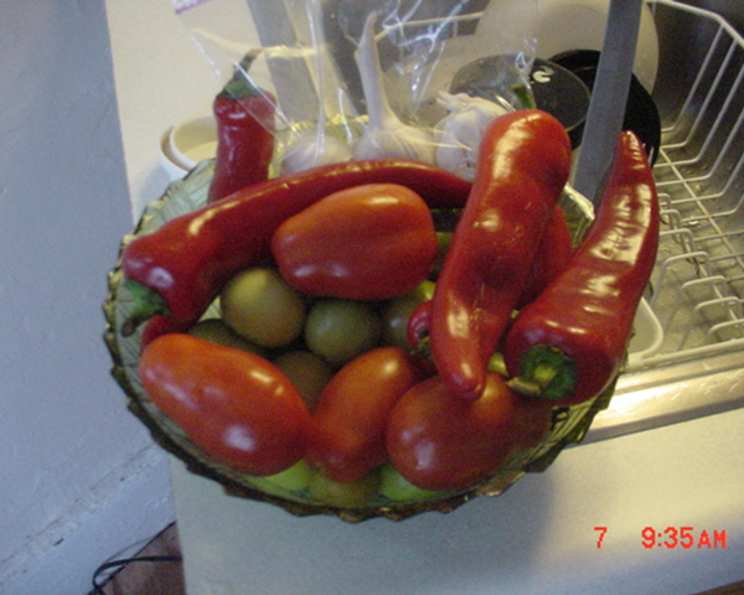
The Smoldering Soul of Salsa: Roasted Tomato-Chipotle Perfection
There are certain aromas that, once experienced, are forever etched into the culinary memory. The scent of chilies toasting in a dry skillet, releasing their smoky, earthy perfume, is one of them. It’s a primal call to flavor, a promise of heat and depth that whispers of ancient traditions. For me, that aroma is inextricably linked to this Roasted Tomato-Chipotle Salsa. I remember the first time I made a batch, following a cherished recipe from a canning cookbook. The sheer complexity that bloomed from simple roasted vegetables and dried peppers was astonishing. It’s a salsa that doesn’t just add a condiment; it transforms a dish, infusing it with a slow-burn warmth and a sophisticated tang that lingers delightfully.
Recipe Overview
- Prep Time: 30 minutes
- Cook Time: 30 minutes
- Total Time: 60 minutes
- Servings: About 6-8
- Yield: 6 pints
- Dietary Type: Vegan, Gluten-Free, Dairy-Free
Ingredients
This salsa draws its incredible flavor from a harmonious blend of roasted ingredients and smoky chilies.
- 12 dried chipotle peppers, stemmed
- 12 dried cascabel chiles, stemmed
- 2 lbs husked tomatillos
- 2 lbs Italian plum tomatoes
- 2 small onions
- 1 head garlic, broken into cloves
- 1 cup white vinegar
- 2 teaspoons sugar
- 1 teaspoon salt
Notes on Chilies: While the recipe calls for specific chilies, finding cascabel chilies and chipotle peppers might require a visit to a specialty spice shop or well-stocked international market. Their unique smoky and slightly fruity notes are crucial to the salsa’s signature flavor. Chipotle peppers are, in essence, dried and smoked jalapeños, offering that quintessential smoky heat.
Equipment Needed
- Large dry skillet
- Large glass or stainless steel bowl
- Blender or food processor
- Baking sheets (if broiling isn’t an option)
- Paper bags
- Large stainless steel saucepan
- Boiling water canner
- 6 (16 oz) pint preserving jars with lids and bands
Instructions
The process is a labor of love, building layers of flavor through roasting and careful simmering.
-
Toast and Soak the Chilies:
Begin by toasting the dried chipotle and cascabel chilies. Place them in a large, dry skillet over medium heat. Work in batches to avoid overcrowding the pan, toasting for about 30 seconds per side, or until they release a wonderfully fragrant aroma and become pliable. As soon as they are toasted, immediately transfer them to a large glass or stainless steel bowl. Once all the chilies have been toasted, add 2 cups of hot water to the bowl. To ensure the chilies remain submerged, weigh them down with a smaller bowl or a kitchen weight. Let them soak until they are thoroughly softened, which should take about 15 minutes. After soaking, working in batches, carefully transfer the softened chilies and their soaking liquid to a blender or a food processor fitted with a metal blade. Purée them until you achieve a smooth consistency. Set this chili purée aside. -
Roast the Vegetables:
While the chilies are soaking, it’s time to roast the vegetables. Arrange the tomatillos, Italian plum tomatoes, onions, and garlic cloves on a baking sheet. Place them under a broiler (or roast in a hot oven at 425°F / 220°C). Roast, turning them occasionally, until the tomatillos and tomatoes are visibly blistered, blackened, and softened. The onions and garlic should also be blackened in spots. This process typically takes about 15 minutes. Once roasted, set the onions and garlic aside until they are cool enough to handle. Place the still-hot tomatillos and tomatoes into separate paper bags, secure their openings, and set them aside to steam until cool enough to handle, approximately 15 minutes. This steaming step makes peeling much easier. Once cooled, peel the tomatoes, onions, and garlic. Finely chop the peeled onion and garlic. Set these chopped aromatics aside. -
Purée Roasted Vegetables and Chilies:
In your blender or food processor, combine the roasted tomatillos and tomatoes along with the reserved puréed chilies. Purée until the mixture is smooth. Set this vibrant salsa base aside. -
Prepare for Canning:
Begin by preparing your boiling water canner. Heat your jars and lids in simmering water until you are ready to use them; do not boil them. Keep the bands set aside. This step is crucial for proper sealing and safe canning. -
Simmer the Salsa:
In a large stainless steel saucepan, combine the tomatillo purée, the roasted and chopped onion and garlic, the white vinegar, sugar, and salt. Bring the mixture to a boil over medium-high heat, stirring constantly. Once it reaches a boil, reduce the heat and allow it to boil gently, stirring frequently, until the salsa has slightly thickened. This simmering process should take about 15 minutes. -
Fill the Jars:
Carefully ladle the hot salsa into the hot jars, leaving a 1/2 inch headspace at the top of each jar. To ensure a good seal, gently remove any air bubbles by running a non-metallic spatula around the inside of the jar and re-measure the headspace. If necessary, add more salsa to meet the recommended 1/2 inch headspace. Wipe the rim of each jar with a clean, damp cloth to remove any residue. Center a lid on each jar and then apply the band, adjusting it until it is fingertip tight. -
Process the Jars:
Carefully place the filled jars into the boiling water canner. Process them for 15 minutes. Remember to adjust processing time for altitude if you are at a higher elevation. Once the processing time is complete, carefully remove the jars from the canner and allow them to cool on a towel-lined counter. After 24 hours, check the lids for a seal. The center of each lid should not flex up and down when pressed. If a lid hasn’t sealed, refrigerate that jar and consume it within a few weeks.
Expert Tips & Tricks
- Chili Toasting: Don’t rush the chili toasting. The aroma is your best indicator of readiness. A light toast brings out their deepest flavors without making them bitter.
- Roasting Perfection: For an even roast, cut larger vegetables like onions in half. If your broiler is particularly fierce, you might opt for a hotter oven and a longer roasting time to achieve that desirable char without burning.
- Peeling Tomatoes: The paper bag trick is a game-changer for peeling tomatoes and tomatillos. The trapped steam loosens the skins beautifully.
- Canning Safety: Always follow proper canning guidelines for safe preservation. Ensure your jars, lids, and equipment are clean and sterilized.
Serving & Storage Suggestions
This Roasted Tomato-Chipotle Salsa is incredibly versatile. Serve it warm or chilled as a vibrant dip with tortilla chips, alongside grilled meats or fish, or spooned over tacos, enchiladas, or scrambled eggs. Its robust flavor also makes it an excellent base for stews or a zesty addition to marinades.
Once processed and sealed, the salsa will last in a cool, dark pantry for up to a year. Unsealed jars, or jars that have been opened, should be stored in the refrigerator and will keep for 2-3 weeks. There’s no need to reheat sealed jars; simply open and enjoy.
Nutritional Information
Here’s an approximate nutritional breakdown per serving (assuming 8 servings per pint, and one pint yields approximately 6 cups of salsa):
| Nutrient | Amount per Serving | % Daily Value |
|---|---|---|
| Calories | ~40 kcal | 2% |
| Total Fat | ~0.5 g | <1% |
| Saturated Fat | ~0.1 g | <1% |
| Cholesterol | 0 mg | 0% |
| Sodium | ~100 mg | 4% |
| Total Carbohydrate | ~9 g | 3% |
| Dietary Fiber | ~2 g | 7% |
| Sugars | ~6 g | 12% |
| Protein | ~1 g | 2% |
Note: Nutritional values are estimates and can vary based on specific ingredients used.
Variations & Substitutions
- For Extra Heat: If you crave more fire, add a dried chile de árbol or a fresh jalapeño (seeds and all) to the roasting process.
- Smoky Depth: For an even smokier profile, consider adding a pinch of smoked paprika to the simmering salsa.
- Herbaceous Notes: Stir in a handful of fresh cilantro just before jarring for a brighter, herbaceous finish.
- Sweetness Adjustment: The sugar is primarily for balancing acidity and aiding preservation. Adjust to your personal preference, but be mindful that too little sugar can affect shelf life.
FAQs
Q: Can I use fresh chilies instead of dried?
A: While fresh chilies will offer heat, they won’t provide the same depth of smoky flavor as dried and toasted chilies. You can substitute, but the resulting salsa will have a different profile.
Q: My jars didn’t seal. What should I do?
A: If jars don’t seal after 24 hours, refrigerate them immediately and consume within 2-3 weeks. You can also reprocess them, ensuring proper headspace and a tight seal.
Q: Is this salsa spicy?
A: The spice level comes from the chipotle peppers. It offers a warm, lingering heat rather than an overwhelming fiery sensation. You can adjust the number of chipotles to control the heat.
Q: Can I make this salsa without a canner?
A: Yes, you can make this salsa for immediate consumption or refrigerator storage without a boiling water canner. Simply follow steps 1-5, and store the finished salsa in airtight containers in the refrigerator.
Q: How long does the salsa last once opened?
A: Once opened, store the salsa in the refrigerator and consume within 2-3 weeks for the best quality.
Final Thoughts
This Roasted Tomato-Chipotle Salsa is more than just a recipe; it’s an invitation to explore the incredible depths of flavor that can be achieved with simple ingredients and a little patience. It’s a testament to the beauty of roasting, the magic of chilies, and the rewarding practice of preserving these culinary treasures. I encourage you to embark on this flavorful journey. Once you taste the smoky, tangy, and perfectly balanced notes of this homemade salsa, you’ll understand why it’s become a staple in my kitchen. Pair it with your favorite chips, grilled delights, or whatever your culinary heart desires, and savor the warmth it brings.