
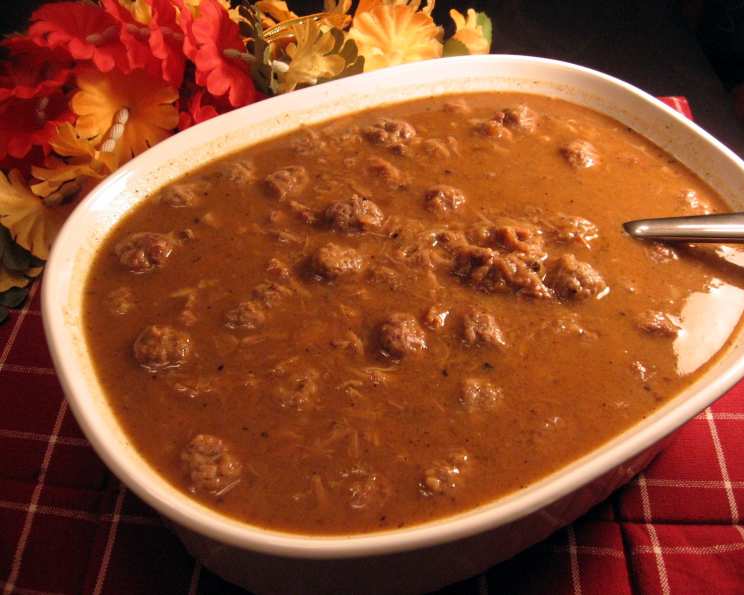
Ragoût De Pattes De Cochon: A Taste of Quebecois Comfort
There are certain dishes that transport you back in time, to the warmth of a grandmother’s kitchen, the scent of slow-cooked goodness filling the air. For me, that dish is a hearty ragoût, and specifically, this Ragoût de Pattes de Cochon with its accompanying tender meatballs. I remember as a child, the anticipation of a Sunday dinner where this rich, deeply flavored stew would be the centerpiece. The broth, simmered for hours, carried a depth that only time and quality ingredients could impart. The tender meat, falling off the bone of the pork hocks, and the comforting little meatballs were a testament to simple, honest cooking, the kind that nourishes not just the body, but the soul.
Recipe Overview
- Prep Time: The day before serving
- Cook Time: Approximately 2 hours simmering + 10 minutes for meatballs
- Total Time: 6 hours 45 minutes (including overnight refrigeration)
- Servings: 10
- Yield: A generous pot of ragoût
- Dietary Type: Hearty, Traditional
Ingredients
For the Ragoût
- 3 lbs pork hocks
- 1 teaspoon coarse salt
- 1/4 teaspoon pepper, freshly ground
- 1/2 teaspoon cinnamon, ground
- 1/4 teaspoon clove, ground
- 1/8 teaspoon nutmeg
- 2 tablespoons butter, to caramelize onions
- 2 tablespoons fat (such as shortening or lard), to brown hocks
- 4-6 cups water
- 1 chicken bouillon cube
- 1 cup onion, sliced and caramelized (Recipe #356677 recommended for best results)
- 4-6 tablespoons flour, roasted
- 1/2 cup water, for thickening
- Salt, to taste
- Pepper, to taste
- Allspice, to taste
For the Meatballs
- 2 lbs ground beef
- 1 lb ground pork
- 1 teaspoon salt
- 1/4 teaspoon pepper, freshly ground
- 1/2 teaspoon cinnamon, ground
- 1/4 teaspoon clove, ground
- 1/8 teaspoon nutmeg
Equipment Needed
- Large, heavy-bottomed saucepan or Dutch oven
- Roasting pan or baking sheet for flour
- Jar or blender for thickening
- Oven
- Medium bowl for mixing meatballs
Instructions
The journey to this magnificent Ragoût de Pattes de Cochon begins the day before serving. This is where the magic of slow cooking and overnight chilling truly works its wonders.
- Season the Pork Hocks: Begin by generously seasoning the pork hocks with salt, pepper, cinnamon, cloves, and nutmeg. Rub the spices into the meat, ensuring an even coating.
- Caramelize the Onions: In a deep saucepan, melt the butter over medium heat. Add your sliced onions and caramelize them until they are a deep, rich brown. This step is crucial for building a foundational layer of flavor in your ragoût. Remove the caramelized onions from the saucepan and set them aside.
- Brown the Pork Hocks: In the same saucepan, melt the fat (shortening or lard). Add the seasoned pork hocks and brown them until they are dark brown in color on all sides. This browning is the secret to achieving the incredibly deep, savory flavor that defines a truly great ragoût. Don’t rush this process; patience here will yield spectacular results.
- Simmer the Base: Once the pork hocks are beautifully browned, add water (starting with 4 cups, you can add more if needed), the chicken bouillon cube, and the caramelized onions to the saucepan. Bring the mixture to a boil, then immediately reduce the heat to a gentle simmer. Cover the pot and let it simmer for at least two hours, or until the meat on the pork hocks is so tender that it practically falls from the bones.
- Overnight Refrigeration (Crucial Step): At this point, it’s highly recommended to remove the pork hocks from the saucepan. Allow the ragoût and the hocks to cool slightly, then transfer them to a container and refrigerate overnight. This overnight chill is essential for allowing the flavors to meld beautifully and, most importantly, for the fat to congeal on the surface, making it easy to remove/skim the excess fat the following day.
- Roast the Flour: The next day, preheat your oven to 350°F (175°C). Spread the flour onto a roasting pan or baking sheet. Roast the flour for about 1 hour, or until it achieves a caramel brown color. It should be a dark brown, but be vigilant to avoid burning it. Alternatively, you can brown the flour in a hot, dry pan (no oil!) over medium heat, stirring continuously until it reaches that rich, deep brown hue. This method requires careful attention to temperature and constant stirring to prevent scorching.
- Prepare the Meat: Carefully remove the meat from the bones of the cooked pork hocks. Discard the bones and any excess gristle. Set the tender, cooked pork meat aside.
- Thicken the Ragoût: In a jar or blender, combine the roasted flour with the 1/2 cup of water. Blend or shake until you have a smooth paste. Gradually pour this mixture into the simmering ragoût, stirring constantly until the broth has thickened to a nice consistency.
- Season and Combine: Season the ragoût with salt, pepper, and allspice to taste. You want a well-balanced flavor profile. Now, add the reserved cooked pork meat and the prepared pork meatballs (instructions below) to the ragoût. Stir gently to combine.
- Form and Bake the Meatballs: While the ragoût is simmering and being seasoned, prepare the meatballs. In a medium bowl, combine the ground beef, ground pork, salt, pepper, cinnamon, cloves, and nutmeg. Mix all ingredients thoroughly until just combined. Shape each portion into a 1-inch meatball. Once formed, place the meatballs on a baking sheet and bake in a 400°F (200°C) oven for 10 minutes.
- Final Cooking: Add the cooked pork meatballs to the ragoût. Allow everything to heat thoroughly within the ragoût, ensuring the meatballs are fully incorporated and heated through.
Expert Tips & Tricks
- Deep Browning is Key: I cannot stress enough the importance of deeply caramelizing your onions and browning your pork hocks. This is where the profound flavor of this dish originates. Don’t be afraid of a dark color – it’s a sign of rich development.
- The Overnight Chill: While an optional step in some recipes, for this Ragoût de Pattes de Cochon, the overnight refrigeration is a game-changer. It not only makes fat removal incredibly easy but also allows the flavors to deepen and meld in a way that’s impossible to achieve with same-day cooking.
- Flour Roasting: Roasting the flour is a French technique that adds a nutty depth and removes any raw flour taste. A dark caramel color is desirable, but keep a close eye to prevent it from burning, which would impart a bitter flavor.
- Meatball Spice Blend: The spices in the meatballs echo those in the ragoût, creating a harmonious flavor profile. Ensure they are well mixed but avoid overworking the meat, which can lead to tough meatballs.
Serving & Storage Suggestions
Ragoût de Pattes de Cochon is a dish that begs to be served with a hearty accompaniment. It is traditionally served with boiled or mashed potatoes, which act as the perfect sponge for the rich, savory broth. A side of crusty bread is also a welcome addition for soaking up every last drop.
Once cooled, the ragoût can be stored in an airtight container in the refrigerator for up to 3-4 days. It often tastes even better the next day as the flavors continue to deepen. To reheat, gently warm it on the stovetop over low heat, stirring occasionally, until heated through. You can also freeze portions for up to 2-3 months. Thaw overnight in the refrigerator before reheating.
Nutritional Information
| Nutrient | Amount per Serving | % Daily Value |
|---|---|---|
| Calories | 378.2 kcal | – |
| Calories from Fat | – | 254 g |
| Total Fat | 28.2 g | 43% |
| Saturated Fat | 11.7 g | 58% |
| Cholesterol | 103.3 mg | 34% |
| Sodium | 644.1 mg | 26% |
| Total Carbohydrate | 4.3 g | 1% |
| Dietary Fiber | 0.5 g | 1% |
| Sugars | 0.8 g | 3% |
| Protein | 25.1 g | 50% |
(Note: Nutritional information is an estimate and can vary based on specific ingredients and preparation methods.)
Variations & Substitutions
While this recipe is a classic for a reason, you can certainly explore variations:
- Vegetarian Adaptation: While challenging to replicate the exact depth, a vegetarian version could be built around a rich vegetable stock, caramelized root vegetables, and perhaps a plant-based meatball substitute. The pork hocks are integral to the traditional flavor, however.
- Spice Level: For those who enjoy a bit of heat, a pinch of cayenne pepper or a touch of red pepper flakes can be added to the ragoût or the meatballs.
- Herbal Notes: A bay leaf or a sprig of thyme added during the simmering process can introduce subtle aromatic complexity.
FAQs
Q: Why are the pork hocks so important for this ragoût?
A: Pork hocks are rich in collagen and connective tissue, which break down during the long simmering process to create a deeply flavorful and naturally gelatinous broth.
Q: Can I make the caramelized onions ahead of time?
A: Absolutely! Caramelized onions can be made several days in advance and stored in the refrigerator, making the preparation of the ragoût more streamlined.
Q: What if I don’t have shortening or lard?
A: You can use another neutral-flavored fat like vegetable oil, or even a bit of bacon fat for an extra layer of flavor, though this will alter the taste profile slightly.
Q: How can I tell if the roasted flour is done?
A: The flour should turn a deep, nutty brown color, similar to toasted almonds or dark caramel. It should smell toasted and aromatic, not burnt.
Q: Is it truly necessary to refrigerate the ragoût overnight?
A: While you can skip this step, refrigerating allows the fat to solidify on top, making it much easier to remove and resulting in a less greasy, more refined final dish.
Final Thoughts
Ragoût de Pattes de Cochon is more than just a meal; it’s a culinary hug, a taste of tradition, and a testament to the beauty of slow, deliberate cooking. It’s a dish that brings people together, sparking conversation and creating lasting memories around the table. So, gather your ingredients, embrace the patient process, and prepare to be rewarded with a deeply satisfying and utterly delicious Ragoût de Pattes de Cochon. Enjoy every comforting spoonful!