
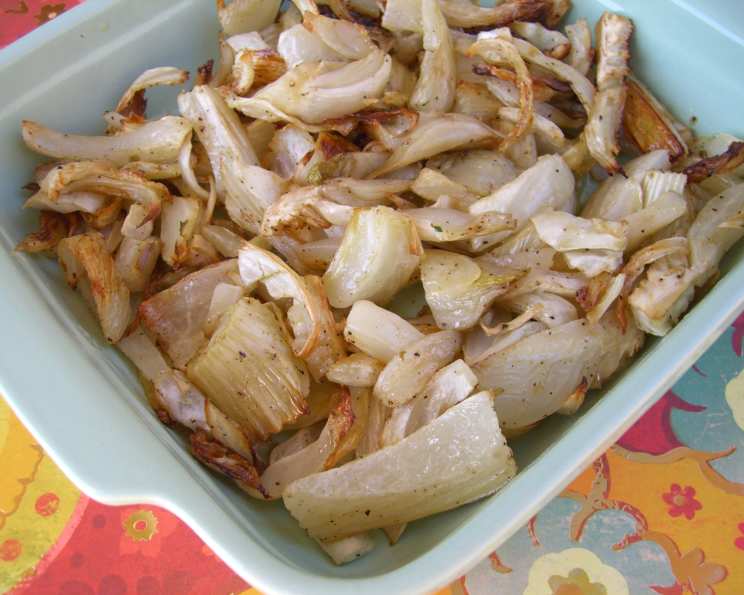
The Unexpected Sweetness of Roasted Fennel Wedges
There are certain ingredients that, in my early days of cooking, I approached with a healthy dose of skepticism. Fennel, with its distinctive licorice-like aroma and feathery fronds, was one of them. I vividly remember a dish featuring raw shaved fennel, and while the flavor was intriguing, the texture was a bit too assertive for my palate at the time. It wasn’t until I encountered fennel transformed by heat, specifically roasted to a tender, caramelized sweetness, that its true magic unfolded. The intense heat softens its fibers and tames its boldness, coaxing out a deep, almost maple-like sweetness that is utterly enchanting, especially when paired with the simple elegance of a good piece of roasted fish.
Recipe Overview
- Prep Time: 15 minutes
- Cook Time: 55 minutes
- Total Time: 1 hour 10 minutes
- Servings: 4
- Yield: Roasted Fennel Wedges
- Dietary Type: Vegan, Gluten-Free, Dairy-Free
Ingredients
- 2 large fennel bulbs
- 2 tablespoons olive oil
- Salt, to taste
- Freshly ground black pepper, to taste
Equipment Needed
- Large shallow roasting tin
- Sharp knife
- Cutting board
- Oven
Instructions
- Begin by preheating your oven to a moderate 180°C (350°F). This temperature is crucial for achieving that perfect tender texture without burning the fennel too quickly.
- Prepare the fennel bulbs. Locate the tough, woody stalks at the top of each bulb. Carefully trim these stalks away and discard them. Next, peel off any tough, outer layers of the fennel bulb that feel dry or bruised. You’re aiming for the firm, fresh flesh beneath.
- With your fennel bulbs prepped, it’s time to cut them. Place each bulb on your cutting board and cut them into thin wedges. Aim for consistent thickness so that they cook evenly. The size of your wedges will influence the cooking time, so try to keep them relatively uniform.
- Transfer the prepared fennel wedges to your large shallow roasting tin. This type of pan allows for good air circulation, which is essential for roasting.
- Now, introduce the olive oil. Drizzle the 2 tablespoons of olive oil directly over the fennel wedges in the tin. Use your hands or a spoon to gently toss the wedges, ensuring each piece is evenly coated with the oil. This coating helps to facilitate browning and prevents sticking.
- Season generously. Season the fennel to taste with salt and freshly ground black pepper. Don’t be shy with the seasoning; it will draw out moisture and enhance the natural sweetness.
- It’s time for the oven. Place the roasting tin with the seasoned fennel into the preheated oven.
- Roast for 55 minutes. During this cooking period, it’s important to ensure even caramelization and tenderness. About halfway through, and then perhaps once more towards the end, stir the fennel wedges once or twice. This action will help to ensure all sides of the wedges get exposed to the heat and develop that desirable golden-brown hue and tender texture. The goal is for the fennel to be softened and lightly browned.
Expert Tips & Tricks
The beauty of roasted fennel lies in its simplicity, but a few professional touches can elevate it even further.
- Fennel Fronds: Don’t discard those feathery fronds! Finely chop them and sprinkle them over the roasted fennel just before serving. They offer a fresh, herbaceous counterpoint to the sweetness.
- Balsamic Glaze: For an extra layer of complex flavor, consider a drizzle of balsamic glaze in the last 5-10 minutes of roasting, or even after it comes out of the oven. The acidity and sweetness of the balsamic beautifully complement the roasted fennel.
- Citrus Zest: A sprinkle of lemon or orange zest after roasting can add a bright, zesty lift that cuts through the richness.
- Doneness Test: To check if your fennel is perfectly cooked, gently pierce a wedge with a fork or the tip of a knife. It should yield with very little resistance, feeling tender throughout. If it’s still firm, give it a few more minutes in the oven.
- Even Cooking: Ensure your wedges are cut to a similar thickness. If some are significantly thicker or thinner, they will cook at different rates, leading to uneven results. The shallow roasting pan also plays a role; avoid overcrowding it, as this can lead to steaming rather than roasting.
Serving & Storage Suggestions
Roasted fennel wedges are incredibly versatile. Their inherent sweetness makes them a fantastic accompaniment to rich, savory dishes, particularly seafood. They pair exquisitely with pan-seared scallops, grilled salmon, or even a hearty roast chicken. A sprinkle of fresh parsley or a dollop of aioli can be a lovely finishing touch.
Leftovers can be stored in an airtight container in the refrigerator for up to 3 days. They are delicious served cold as part of a salad or at room temperature. To reheat, gently warm them in a low oven or a skillet until just tender. Avoid microwaving, as it can make them mushy.
Nutritional Information
Here’s an approximate nutritional breakdown per serving (based on 4 servings):
| Nutrient | Amount per Serving | % Daily Value |
|---|---|---|
| Calories | 99.6 kcal | |
| Calories from Fat | ||
| Total Fat | 7 g | 10% |
| Saturated Fat | 0.9 g | 4% |
| Cholesterol | 0 mg | 0% |
| Sodium | 67.1 mg | 2% |
| Total Carbohydrate | 9.4 g | 3% |
| Dietary Fiber | 4 g | 15% |
| Sugars | 0 g | 0% |
| Protein | 1.6 g | 3% |
(Note: Nutritional values are estimates and can vary based on ingredient brands and specific preparation.)
Variations & Substitutions
While the classic roasted fennel is divine on its own, don’t hesitate to experiment:
- Spiced Fennel: Add a pinch of red pepper flakes or a dash of cumin and coriander to the olive oil and seasonings for a subtle warmth.
- Herbed Fennel: Incorporate fresh thyme sprigs or rosemary into the roasting tin with the fennel for an aromatic boost.
- Citrus Infused: Add a few thin slices of orange or lemon to the roasting tin; their juices will mingle with the fennel, creating a delightful citrusy undertone.
- With Other Vegetables: Fennel roasts beautifully alongside other hardy vegetables. Consider adding chunks of sweet potato, carrot, or parsnip to the roasting tin. Adjust cooking times as needed for the additional vegetables.
FAQs
Q: How do I choose the best fennel bulbs at the store?
A: Look for firm, plump bulbs with vibrant green stalks and feathery leaves. Avoid bulbs that are bruised, soft, or have yellowing leaves.
Q: Can I roast fennel without peeling the outer layer?
A: While you can roast it with the outer layer on, peeling it ensures a more tender and pleasant texture. The outer layers can sometimes be tough.
Q: My fennel isn’t browning. What did I do wrong?
A: Ensure your oven is at the correct temperature and that the pan isn’t overcrowded. Overcrowding can lead to steaming rather than roasting, inhibiting browning. Stirring halfway through also helps expose all sides to the heat.
Q: Can I use a different oil instead of olive oil?
A: Yes, other neutral-flavored oils like avocado oil or grapeseed oil would work well. Extra virgin olive oil offers a lovely flavor, but any good quality cooking oil will suffice.
Q: Is roasted fennel good for meal prep?
A: Absolutely! Roasted fennel holds up well and is a fantastic addition to packed lunches or can be incorporated into various dishes throughout the week.
Final Thoughts
There’s a certain quiet satisfaction that comes from transforming a humble ingredient like fennel into something utterly exquisite through the simple act of roasting. The way it yields its inherent sweetness, the subtle aromatic magic it imparts – it’s a culinary revelation that never ceases to delight. I encourage you to embrace this straightforward yet profound dish. Let the aroma fill your kitchen and savor the surprisingly sweet, tender results. It’s a testament to how basic cooking techniques can unlock incredible flavors, and I have no doubt you’ll find yourself returning to this recipe time and time again, perhaps with a crisp white wine in hand.