
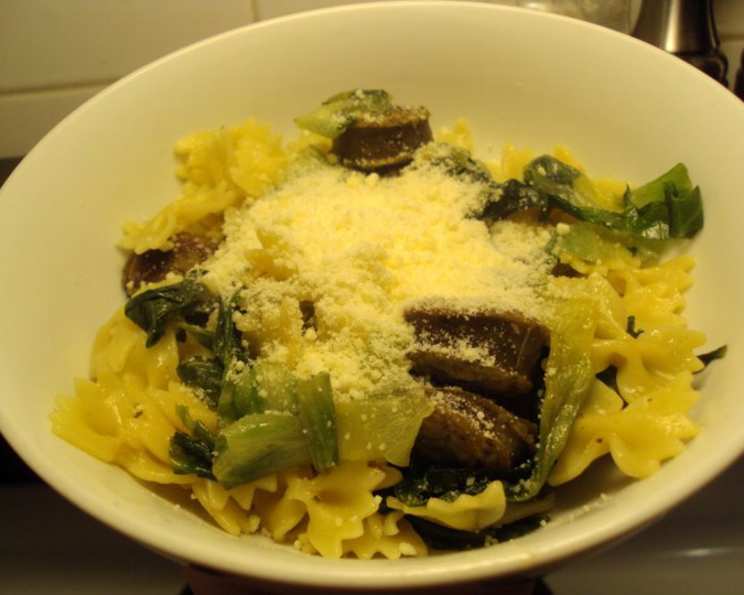
Rigatoni with Escarole and Italian Sausage: A Rustic Italian Embrace
There are some dishes that, with their humble ingredients and straightforward preparation, whisper stories of generations. This Rigatoni with Escarole and Italian Sausage is one such culinary tale for me. I recall, vividly, a crisp autumn evening spent in a small trattoria nestled in the rolling hills of Tuscany. The air was alive with the scent of woodsmoke and the murmur of contented conversation. When this pasta arrived, steaming and fragrant, it was a revelation. The slight bitterness of the escarole, the savory depth of the sausage, all enveloped by perfectly cooked rigatoni and a whisper of nutty Romano – it was a symphony of simple, honest flavors that has stayed with me ever since. It’s the kind of meal that feels both comforting and sophisticated, a true taste of authentic Italian home cooking that I’m thrilled to share with you today.
Recipe Overview
- Prep Time: 15 minutes
- Cook Time: 30 minutes
- Total Time: 45 minutes
- Servings: 4
- Yield: 1 serving of pasta
- Dietary Type: Not Specified
Ingredients
This dish celebrates the beauty of simplicity, relying on a few key components to create a truly satisfying meal.
- Cooking spray: For preparing your skillet.
- 1 lb Italian turkey sausage: Cut into 1/2 inch slices. This forms the savory backbone of our dish.
- 1 head escarole: Washed and cut into 1-inch strips. Don’t be shy about the escarole; its unique slightly bitter note is essential here.
- 2 garlic cloves: Minced. The aromatic soul of Italian cooking.
- 1 lb rigatoni pasta: Cooked and kept warm. The sturdy ridges of rigatoni are perfect for catching the delicious sauce.
- 1/4 cup Romano cheese: Grated. Adds a salty, nutty depth.
- 1/2 cup fresh breadcrumbs: For a delightful textural contrast and a golden, crispy topping.
Equipment Needed
While this recipe is straightforward, a few common kitchen tools will ensure smooth sailing:
- A large skillet for cooking the sausage and wilting the escarole.
- A sturdy spoon or spatula for stirring.
- A pot for cooking the rigatoni (if not already cooked).
- An oven-safe platter or large bowl for tossing and serving.
- A broiler or toaster oven for finishing the dish.
Instructions
Let’s bring these wonderful ingredients together to create a dish that’s both rustic and remarkably delicious.
-
Prepare the Sausage: Begin by spraying a large skillet with cooking spray. Place the skillet over medium heat. Add the Italian turkey sausage, cut into 1/2 inch slices, to the hot skillet. Cook the sausage, stirring occasionally, until it is brown and cooked through. This typically takes about 10 minutes.
-
Wilt the Escarole: Once the sausage is cooked, add the escarole, cut into 1-inch strips, and the minced garlic cloves to the same skillet. Sauté them with the sausage for 2-3 minutes, allowing the garlic to become fragrant and the escarole to begin softening.
-
Soften and Combine: After the initial sauté, cover the skillet and continue to cook for another 2-3 minutes, or until the escarole is wilted. This gentle steaming helps to mellow its flavor and integrate it with the sausage and garlic.
-
Assemble the Dish: In a large, oven-proof platter or a mixing bowl, combine the cooked sausage and escarole mixture with the cooked and still warm rigatoni pasta. Add the grated Romano cheese to the platter.
-
Toss and Top: Toss all the ingredients together gently until the pasta and sausage mixture are well coated. Ensure everything is evenly distributed.
-
Add the Crispy Finish: Sprinkle the fresh breadcrumbs evenly over the top of the pasta mixture.
-
Broil to Perfection: Place the platter under the broiler. Broil for 1 minute, or until the breadcrumbs are golden brown and toasted. Keep a very close eye on it, as broilers can vary and burn quickly.
Expert Tips & Tricks
Crafting this dish is a journey of simple pleasures, but a few insights can elevate it even further.
- Sausage Quality Matters: The better the Italian turkey sausage you use, the more depth of flavor it will impart. Look for one with good seasoning. If turkey sausage isn’t your preference, regular Italian pork sausage also works wonderfully, though it will alter the “low fat” aspect if that was a consideration.
- Don’t Overcook the Pasta: Rigatoni should be cooked to a perfect al dente. It will continue to cook slightly when tossed and broiled, so aim for that ideal bite.
- Escarole Prep: Ensure your escarole is thoroughly washed. The leaves can sometimes hold grit. Cutting it into manageable strips makes it easier to eat in the pasta.
- Breadcrumb Texture: For an extra crisp texture, you can lightly toast the breadcrumbs in a dry skillet for a few minutes before sprinkling them over the pasta.
- Broiler Watch: The final broiling step is crucial for that beautiful golden topping, but it’s also the quickest. Stand guard and don’t walk away – a minute is all it takes for perfection, or disaster!
Serving & Storage Suggestions
This Rigatoni with Escarole and Italian Sausage is best enjoyed piping hot, straight from the broiler.
Serving:
Serve immediately in generous portions, allowing each diner to appreciate the mix of textures and flavors. A sprinkle of extra grated Romano cheese at the table is always a welcome addition. This dish is a complete meal on its own, but a simple green salad with a light vinaigrette would be a lovely accompaniment, offering a refreshing contrast. A glass of a medium-bodied Italian red wine, like a Chianti or Barbera, would perfectly complement the savory sausage and robust pasta.
Storage:
Leftovers can be stored in an airtight container in the refrigerator for up to 2 days. Reheat gently in a skillet over low heat with a splash of water or broth to prevent drying, or in a microwave-safe dish. The breadcrumb topping may lose some of its crispness upon reheating, but the flavors will remain delicious.
Nutritional Information
While this recipe focuses on flavor, understanding its nutritional profile can be helpful.
| Nutrient | Amount per Serving (approx.) | % Daily Value (approx.) |
|---|---|---|
| Calories | 704.6 kcal | – |
| Calories from Fat | – | 155 g |
| Total Fat | 17.3 g | 26 % |
| Saturated Fat | 4 g | 20 % |
| Cholesterol | 155.6 mg | 51 % |
| Sodium | 1111.6 mg | 46 % |
| Total Carbohydrate | 100.2 g | 33 % |
| Dietary Fiber | 9.1 g | 36 % |
| Sugars | 6.1 g | 24 % |
| Protein | 37 g | 73 % |
Note: Nutritional values are estimates and can vary based on specific ingredients used.
Variations & Substitutions
While this recipe is a classic, feel free to adapt it to your personal taste and pantry.
- Spicy Kick: If you enjoy a bit of heat, opt for spicy Italian turkey sausage or add a pinch of red pepper flakes along with the garlic.
- Vegetarian Option: For a meatless marvel, omit the sausage and sauté some chopped mushrooms (like cremini or shiitake) in olive oil until browned, then proceed with the escarole and garlic. You might want to add a bit more cheese or a dollop of ricotta to compensate for the lack of meaty richness.
- Greens Galore: If escarole isn’t available or you’re looking for a change, kale or Swiss chard can be substituted. You may need to cook these greens a bit longer to soften them properly.
- Cheese Variations: While Romano is traditional and delicious, Parmesan cheese can be used in place of or in combination with Romano for a slightly different nutty flavor.
FAQs
Q: Can I make this dish ahead of time?
A: You can cook the sausage and escarole mixture and cook the pasta ahead of time, but it’s best to toss and broil the final dish just before serving for optimal texture.
Q: How do I prevent the pasta from becoming mushy?
A: Ensure your pasta is cooked to al dente and try to toss it with the other ingredients while it’s still warm. Overcooking the pasta initially is the main culprit for mushiness.
Q: Is escarole always bitter?
A: Escarole has a pleasant, mild bitterness that is balanced by the richness of the sausage and cheese. Cooking it as directed helps to mellow this bitterness.
Q: What kind of breadcrumbs work best?
A: Fresh breadcrumbs, made from slightly stale bread, offer the best texture. However, good quality dried breadcrumbs will also work.
Q: Can I use a different type of pasta?
A: While rigatoni is ideal for holding the sauce, other tube-shaped pastas like penne, ziti, or even shells would be acceptable substitutes.
Final Thoughts
This Rigatoni with Escarole and Italian Sausage is more than just a recipe; it’s an invitation to gather, to savor, and to connect. It’s the kind of dish that proves that the most profound flavors often come from the simplest ingredients, prepared with care and intention. I encourage you to bring this rustic Italian embrace into your own kitchen, to share it with loved ones, and to create your own delicious memories around the table. Don’t hesitate to experiment with the variations, and please, do share your culinary triumphs with me. Buon appetito!