
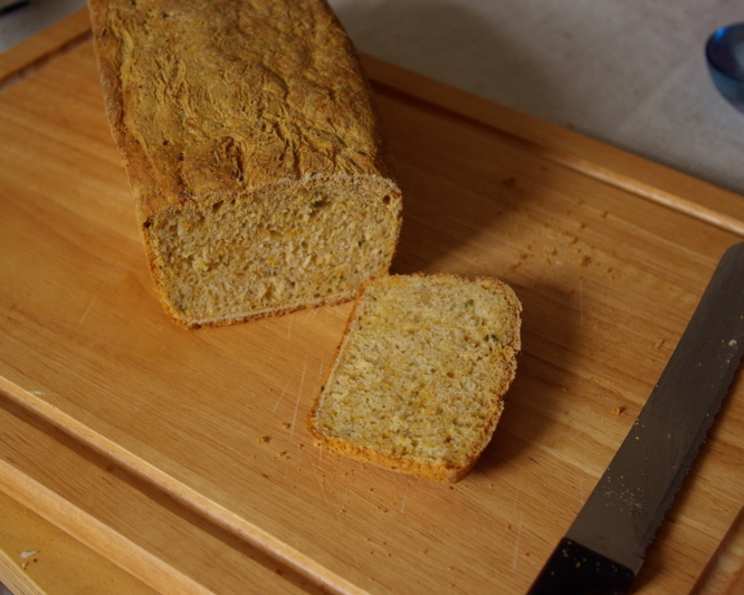
Rosemary Potato Bread: A Hug in Every Slice
There are certain aromas that transport me back in time, and the scent of rosemary and baking bread is unequivocally one of them. I can vividly recall my grandmother’s kitchen, a cozy haven filled with simmering pots and the comforting warmth of her wood-burning oven. She’d often bake this very Rosemary Potato Bread, the yeasty fragrance mingling with the earthy notes of rosemary, promising something truly special. It wasn’t just bread; it was a tangible expression of love, a promise of shared meals and contented sighs, perfect for tearing apart alongside a hearty stew or simply slathered with butter.
Recipe Overview
- Prep Time: 25 minutes (plus 1-2 hours for rising)
- Cook Time: 50 minutes
- Total Time: Approximately 3 hours 5 minutes
- Servings: 8-10 slices
- Yield: 1 loaf
- Dietary Type: Vegetarian
Ingredients
This bread owes its incredible softness and subtle sweetness to the humble potato, a secret weapon in many a baker’s arsenal.
- 110 grams boiled potatoes, mashed (ensure they are well-mashed to avoid lumps)
- 125 ml warm milk (not hot, just comfortably warm to the touch)
- 2 teaspoons dry yeast
- 1 tablespoon olive oil
- 2 teaspoons salt
- 450 grams plain flour (all-purpose flour is perfect here)
- 3-4 tablespoons chopped fresh rosemary (adjust to your preference for rosemary intensity)
Equipment Needed
For this recipe, you’ll need a few essential tools to ensure success:
- A medium-sized mixing bowl
- A clean work surface for kneading
- A greased loaf tin (standard 9×5 inch or similar)
- A wire cooling rack
Instructions
Creating this Rosemary Potato Bread is a wonderfully rewarding process, a dance of simple ingredients coming together to form something extraordinary.
-
Activate the Yeast: In a small bowl, gently dissolve the dry yeast in the warm milk. Let this mixture sit undisturbed for about 15 minutes. You should see it become foamy and bubbly, indicating the yeast is alive and ready to work its magic.
-
Combine Wet Ingredients and Flavor: In your medium mixing bowl, mix together the mashed potatoes, olive oil, salt, and the chopped fresh rosemary. Add the activated yeast mixture to this bowl. Stir everything together until it’s well combined.
-
Form the Dough: Gradually stir in the reserved cooking liquid from the boiled potatoes (if you boiled them specifically for this recipe, this is where you’ll use that starchy water). Then, begin to add the plain flour, stirring until a stiff dough begins to form. It might seem a little sticky at first, and that’s perfectly normal.
-
Knead to Perfection: Turn the dough out onto a lightly floured surface. Now comes the satisfying part: knead the dough. This involves pushing, folding, and stretching the dough for about 8-10 minutes, or until it becomes smooth, elastic, and no longer sticks excessively to your hands or the work surface. A well-kneaded dough is the foundation of a great bread texture.
-
First Rise: Lightly grease your mixing bowl. Place the kneaded dough into the bowl, turning it once to coat the surface with oil. Cover the bowl with a clean, damp kitchen towel or plastic wrap. Find a warm place for the dough to rest and rise. This usually takes 1-2 hours, or until the dough has doubled in size. The warmth of the room is crucial for this step.
-
Shape the Loaf: Once the dough has doubled, gently punch it down to release the air. Place the dough into a greased loaf tin, pressing it down gently to fill the tin evenly. Cover the tin loosely and let the dough rise again in a warm place until it has risen above the rim of the tin. This second rise is often a bit quicker, perhaps another 30-45 minutes.
-
Bake to Golden Perfection: Preheat your oven to 200°C (400°F). Once the dough has risen sufficiently in the loaf tin, place it in the preheated oven. Bake for the first 10 minutes at 200°C (400°F). Then, reduce the oven heat to 190°C (375°F) and continue to bake for another 40 minutes. The total baking time is 50 minutes. You’ll know it’s done when the crust is a beautiful golden brown and the loaf sounds hollow when tapped on the bottom.
-
Cooling is Key: Carefully remove the bread from the loaf tin and place it on a wire cooling rack. Allow the bread to cool completely before slicing. This is perhaps the hardest part, but essential for the bread’s texture to set properly.
Expert Tips & Tricks
- Potato Choice: Any starchy potato will work well, like Russets or Yukon Golds. Ensure they are fully cooked and mashed smoothly; no one wants potato lumps in their bread!
- Rosemary Power: For an intense rosemary flavor, finely chop the fresh leaves. If you prefer a subtler hint, use a bit less or even add a pinch of dried rosemary.
- The Power of Potato Water: Don’t discard the water you boiled the potatoes in! This starchy water is a treasure trove for bread-making. It adds moisture, a touch of sweetness, and contributes to a wonderfully tender crumb.
- Warmth is Essential: Yeast is a living organism and needs warmth to thrive. If your kitchen is cool, find a cozy spot for the dough to rise, perhaps near a slightly warm oven (not on!) or on top of your refrigerator.
- Listen to Your Dough: Doughs can be affected by humidity and the type of flour used. You may need to add a little more flour if the dough is too sticky, or a splash more liquid if it feels too dry. The goal is a pliable, elastic dough.
Serving & Storage Suggestions
This Rosemary Potato Bread is a versatile wonder. It’s absolutely divine served warm, sliced thickly and spread with good quality butter. It pairs exceptionally well with soups and stews, acting as the perfect vehicle for soaking up every last drop of delicious broth. For a delightful afternoon treat, serve it toasted with a drizzle of honey or alongside a platter of cheeses.
To store, let the bread cool completely. Once cooled, you can keep it at room temperature, wrapped tightly in a clean kitchen towel or in a bread bag, for 2-3 days. For longer storage, freeze the bread. You can freeze it whole or slice it first. Wrap it tightly in plastic wrap, then in aluminum foil or a freezer bag. It will keep well in the freezer for up to 3 months. To reheat, you can warm slices in the toaster or oven, or thaw a whole loaf at room temperature before slicing.
Nutritional Information
(Please note: This is an estimated nutritional breakdown and can vary based on specific ingredients and portion sizes.)
| Nutrient | Amount per Serving | % Daily Value |
|---|---|---|
| Calories | 237 kcal | 12% |
| Total Fat | 2.6 g | 3% |
| Saturated Fat | 0.4 g | 2% |
| Cholesterol | 2.2 mg | 1% |
| Sodium | 473 mg | 20% |
| Total Carbohydrate | 45.2 g | 16% |
| Dietary Fiber | 2.4 g | 9% |
| Sugars | 1.4 g | 2% |
| Protein | 6.7 g | 13% |
Variations & Substitutions
While this recipe is wonderful as is, you can certainly play with it to suit your taste and pantry.
- Herb Power: Not a fan of rosemary? Try substituting with fresh thyme or a mix of herbes de Provence.
- Cheesy Goodness: Fold in about 1/2 cup of grated hard cheese, like Parmesan or Gruyère, along with the flour for a savory cheese and rosemary bread.
- Seed Sprinkle: For added texture and a nutty flavor, add 2-3 tablespoons of sunflower seeds or poppy seeds to the dough during the kneading stage.
- Flour Fun: While plain flour is recommended for its reliable results, you could experiment with a small percentage of whole wheat flour (up to 25%) for a nuttier flavor and denser crumb.
FAQs
Q: Why is my potato bread not rising properly?
A: The most common culprits are old or inactive yeast, or water that was too hot or too cold when you dissolved it. Ensure your yeast is fresh and your milk is just warm to the touch.
Q: Can I use instant yeast instead of dry yeast?
A: Yes, you can use instant yeast. You can typically mix it directly with the dry ingredients, omitting the initial dissolving step, but always check the yeast package instructions.
Q: How can I get a crispier crust?
A: To achieve a crispier crust, you can create steam in your oven during the initial baking phase. A simple way is to place a shallow pan filled with hot water on the bottom rack of your oven while it preheats.
Q: My dough seems too sticky, what should I do?
A: Add flour a tablespoon at a time while kneading until the dough is manageable and no longer excessively sticky. Be careful not to add too much, as this can result in a dry loaf.
Q: Can I make this bread ahead of time?
A: Yes, you can prepare the dough up to the first rise, then punch it down, shape it, and refrigerate it overnight. Let it come to room temperature and finish rising before baking.
Final Thoughts
This Rosemary Potato Bread is more than just a recipe; it’s an invitation to slow down, to engage your senses, and to create something truly comforting and delicious. The subtle earthy notes of rosemary infused into the soft, yielding crumb, enhanced by the tenderizing power of potatoes, make this loaf a testament to simple, honest ingredients. Bake it for a quiet Sunday brunch, to accompany a comforting dinner, or simply because the aroma of baking bread fills your home with unparalleled joy. I hope it brings as much warmth and happiness to your kitchen as it has always done to mine.